The Brushless Torque Motor has revolutionized various industries with its unique design and functionality. Unlike traditional motors, it uses electronic commutation, enabling it to operate efficiently with minimal maintenance. This motor’s design allows for precise control of torque and speed, making it ideal for applications requiring high performance.
As industries move toward greater automation, the need for reliable motor technology becomes clear. Brushless Torque Motors provide advantages like high efficiency and durability. They reduce energy losses significantly compared to brushed counterparts. This reliability is crucial in fields such as robotics, manufacturing, and aerospace.
However, understanding the full potential of the Brushless Torque Motor requires careful consideration of its limitations. There may be challenges in initial cost and complexity of installation. Users must weigh these factors against the long-term benefits. Exploring these aspects helps users make informed decisions about using this innovative motor technology.
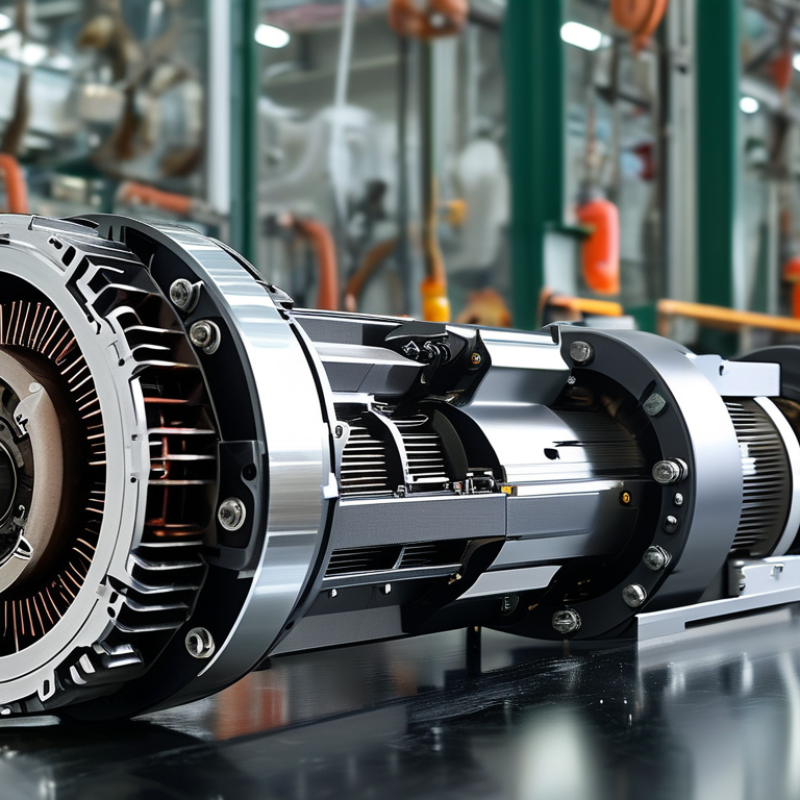
What is a Brushless Torque Motor?
A brushless torque motor is an advanced type of electric motor designed for high performance and efficiency. Unlike traditional motors, which use brushes for commutation, brushless torque motors utilize electronic controllers to manage power distribution. This design reduces wear and minimizes maintenance needs. According to a recent industry report by MarketsandMarkets, the brushless motor market is projected to reach $27 billion by 2025, driven by rising demand in sectors like robotics and electric vehicles.
These motors excel in applications requiring precise control of torque and speed. Featuring a unique rotor design, brushless torque motors provide high torque at low speeds, making them ideal for industrial automation. A study by Research and Markets highlights that the efficiency of brushless motors can reach over 90%. However, the initial cost of implementation can be a barrier for some users. The complexity of the electronic control systems also demands skilled technicians for installation and troubleshooting.
Brushless torque motors operate silently, which is advantageous in many applications. Yet, there may be challenges with compatibility in legacy systems. Ensuring reliability in harsh environments is another area that needs further exploration. The growing trend toward sustainability prompts ongoing research in material efficiency, aiming to enhance performance while reducing environmental impact.
Key Components of Brushless Torque Motors
Brushless torque motors have gained traction due to their efficiency and versatility across various applications. Key components of these motors include the rotor, stator, and electronic control systems. The rotor generally consists of permanent magnets, which work to generate a magnetic field. The stator is made up of coils that interact with this field to create motion.
A significant advantage of brushless torque motors is their ability to provide high torque at low speeds. According to industry reports, the efficiency of these motors can reach upwards of 90%, which offers substantial energy savings in industrial applications. However, the design and materials used can affect the overall reliability and performance. Components such as the winding type and the quality of magnets can lead to variances in operational characteristics.
Furthermore, electronic control systems often dictate the motor's performance. While advanced controls can enhance functionality, they also add complexity. The development of these systems should focus on balancing performance and simplicity. For many applications, the benefits of brushless torque motors are evident, yet some challenges remain. Addressing these challenges will enhance user experience and performance in the long run.
How Brushless Torque Motors Operate Mechanically
Brushless torque motors represent a significant advancement in electric motor technology. They operate using a unique combination of electromagnetic fields. Unlike traditional motors, they have no brushes, which reduces wear and tear. This design enhances durability and efficiency. The motor works by using a permanent magnet rotor and stator coils. The interaction between these components generates a smooth and continuous torque.
Mechanically, the operation is intriguing. When current flows through the stator coils, it creates a magnetic field. This magnetic field interacts with the permanent magnets on the rotor. The result is controlled movement without the friction found in brushed motors. This design leads to fewer maintenance needs. However, it may require a more complex control system.
While the technology is efficient, there are challenges. The initial cost can be higher than traditional motors. Additionally, precise control systems are necessary for optimal performance. Users must weigh these factors carefully. Despite its advantages, some may find these drawbacks significant. As technology evolves, addressing these imperfections is crucial for broader adoption.
What is Brushless Torque Motor and How Does it Work? - How Brushless Torque Motors Operate Mechanically
| Parameter |
Description |
| Motor Type |
Brushless Torque Motor |
| Operation Principle |
Magnetic fields generated by permanent magnets and coils create torque |
| Key Advantage |
Higher efficiency and reliability due to absence of brushes |
| Applications |
Industrial automation, robotics, electric vehicles |
| Power Output Range |
Varies from small (few watts) to large (several kilowatts) |
| Control Method |
Electronic speed controller |
| Maintenance |
Low maintenance due to brushless design |
| Temperature Range |
Typically -20°C to +60°C, depending on design |
Applications of Brushless Torque Motors in Industry
Brushless torque motors are becoming essential in various industries. These motors provide high efficiency and performance without the need for brushes. They convert electrical energy into mechanical energy with precision. One common application is in robotics. These motors help achieve smooth movement and high torque. They allow robots to perform intricate tasks with great accuracy.
In manufacturing, brushless torque motors drive conveyors and CNC machines. They facilitate high-speed operations and improve productivity. These motors can operate under harsh conditions as well. This durability makes them suitable for heavy industries. For example, they can be found in automotive assembly lines. As technology advances, their use continues to grow.
Tip: When integrating brushless torque motors, consider the weight and size of the application. This can affect performance. Also, think about the control systems needed for smooth operations.
Tip: Regular maintenance is crucial. Check for any unusual sounds or vibrations. Addressing these issues early can prevent costly repairs.
Employing brushless torque motors can lead to greater efficiency. However, it’s vital to assess their fit for your specific needs.
Advantages of Using Brushless Torque Motors Over Traditional Motors
Brushless torque motors offer several advantages over traditional motors. They provide higher efficiency, leading to increased performance in applications. According to a 2022 industry report by Market Research Future, brushless motors can achieve efficiency rates exceeding 90%. In comparison, traditional brushed motors often fall below 80%. This efficiency translates into reduced energy costs over time.
The design of brushless torque motors eliminates the wear and tear associated with brushes. This results in less maintenance and longer operational lifetimes. A study by the International Journal of Advanced Manufacturing Technology highlighted that brushless torque motors have an operational lifespan two to three times longer than their brushed counterparts. This longevity is crucial in applications where downtime can significantly impact productivity.
Additionally, brushless motors have better torque control and response. This characteristic allows for precision in applications requiring smooth operation. However, they can come at a higher initial cost. Organizations need to weigh this against long-term savings and operational efficiency benefits. The transition to brushless technology may require adjustments and training, which could challenge some businesses.
Comparison of Brushless Torque Motors and Traditional Motors
FAQS
: Brushless torque motors use electromagnetic fields to operate without brushes. They are more durable and efficient.
They consist of a permanent magnet rotor and stator coils. Current creates a magnetic field, generating smooth movement.
They are widely used in robotics, manufacturing, and automotive assembly. They enable high precision and productivity.
They achieve over 90% efficiency, unlike traditional motors, which often fall below 80%. This reduces energy costs over time.
Regular checks for unusual sounds and vibrations are essential. Early attention can prevent costly repairs.
They can have a higher initial cost and require complex control systems. These factors may be significant for some users.
They have a longer lifespan and better torque control. However, transitioning may require adjustments for businesses.
Consider the weight, size of the application, and the necessary control systems for optimal performance.
Yes, their durability allows them to function reliably even under challenging industrial environments.
Addressing the complexities and costs associated with brushless torque motors is vital for widespread use.
Conclusion
A Brushless Torque Motor is a type of electric motor that operates without brushes, utilizing magnetic fields to generate torque directly. This design eliminates mechanical friction found in traditional motors, leading to increased efficiency and reduced maintenance. Key components of brushless torque motors include a rotor, stator, and electronic controller, which work together to provide precise control over the motor's performance.
Mechanically, these motors operate by using synchronized electromagnetic fields that allow for smooth and responsive motion. They find applications in various industries, particularly where precision and reliability are crucial, such as robotics, aerospace, and medical devices. The advantages of using brushless torque motors over traditional motors include improved torque density, extended operational lifespan, and higher energy efficiency, making them a favorable choice in modern engineering applications.
 Strata Motor
