Strata Motor
Strata Motor
Strata Motor
Global supply chain managers face constant hurdles when procuring drive components. Trading company margins, misaligned communication channels, and inconsistent batch-to-batch quality pose significant operational risks. Strata Motor delivers transparent, direct-from-source engineering and micro drive manufacturing to mitigate these liabilities.
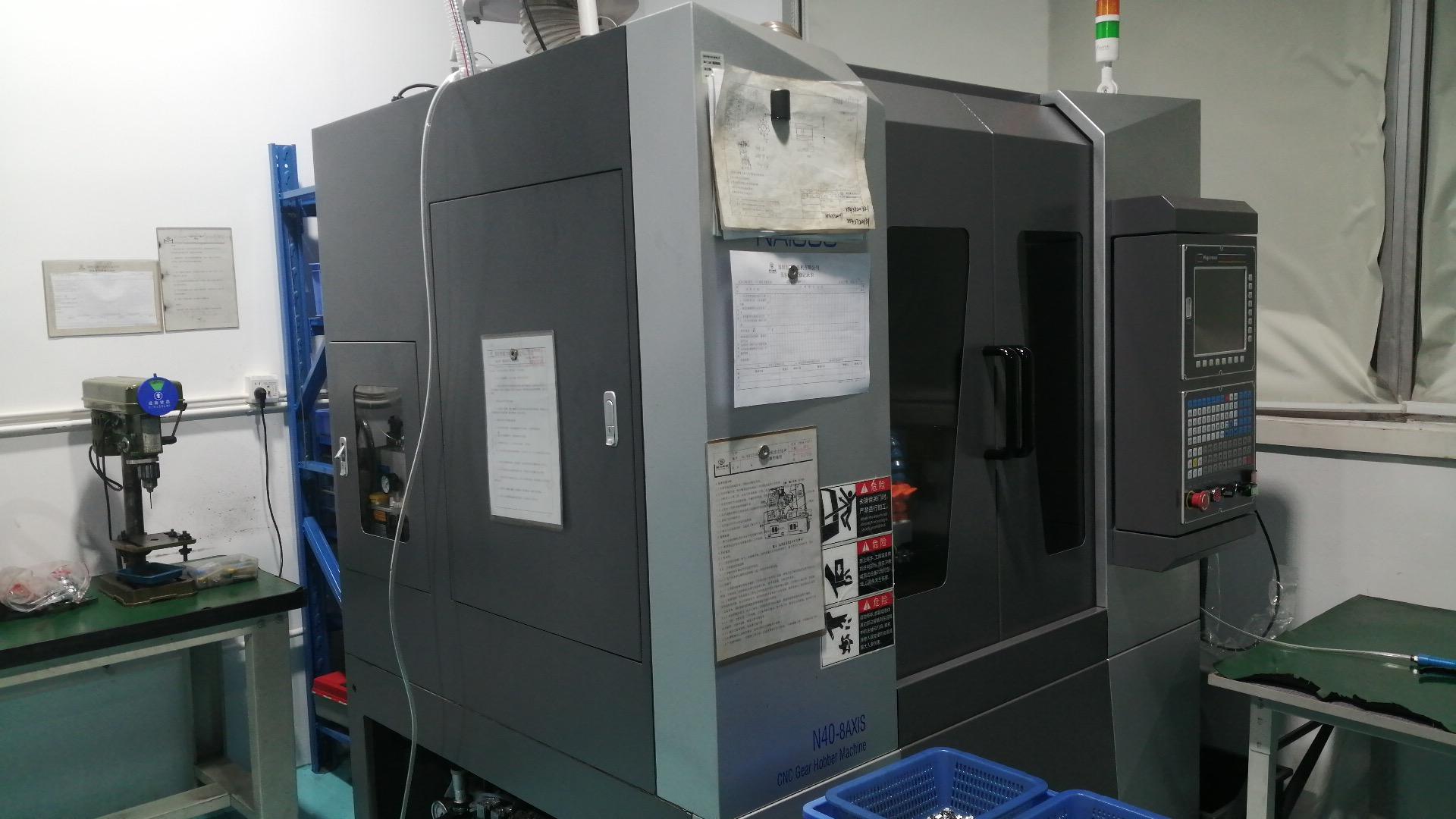
We build our gearboxes, micro-machined shafts, and electric motors directly within our modern production facilities. By supervising the entire production cycle—from raw copper winding and dynamic gear hobbing to localized thermal curing—we secure structural traceability and minimize defects on every delivery.
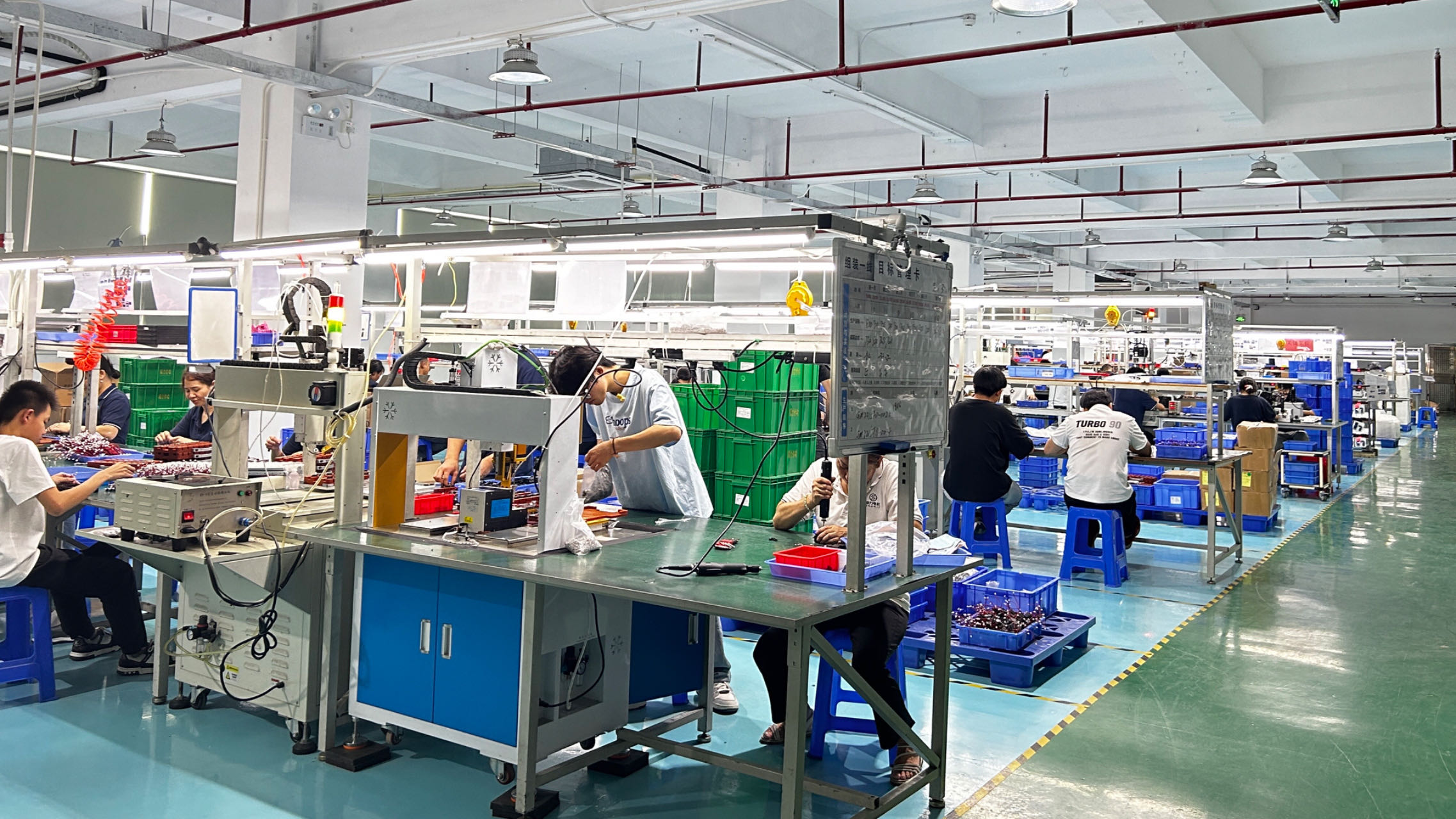
Providing long-term supply security and highly stable, automated production configurations designed to fulfill critical OEM product lifecycles since 2006.
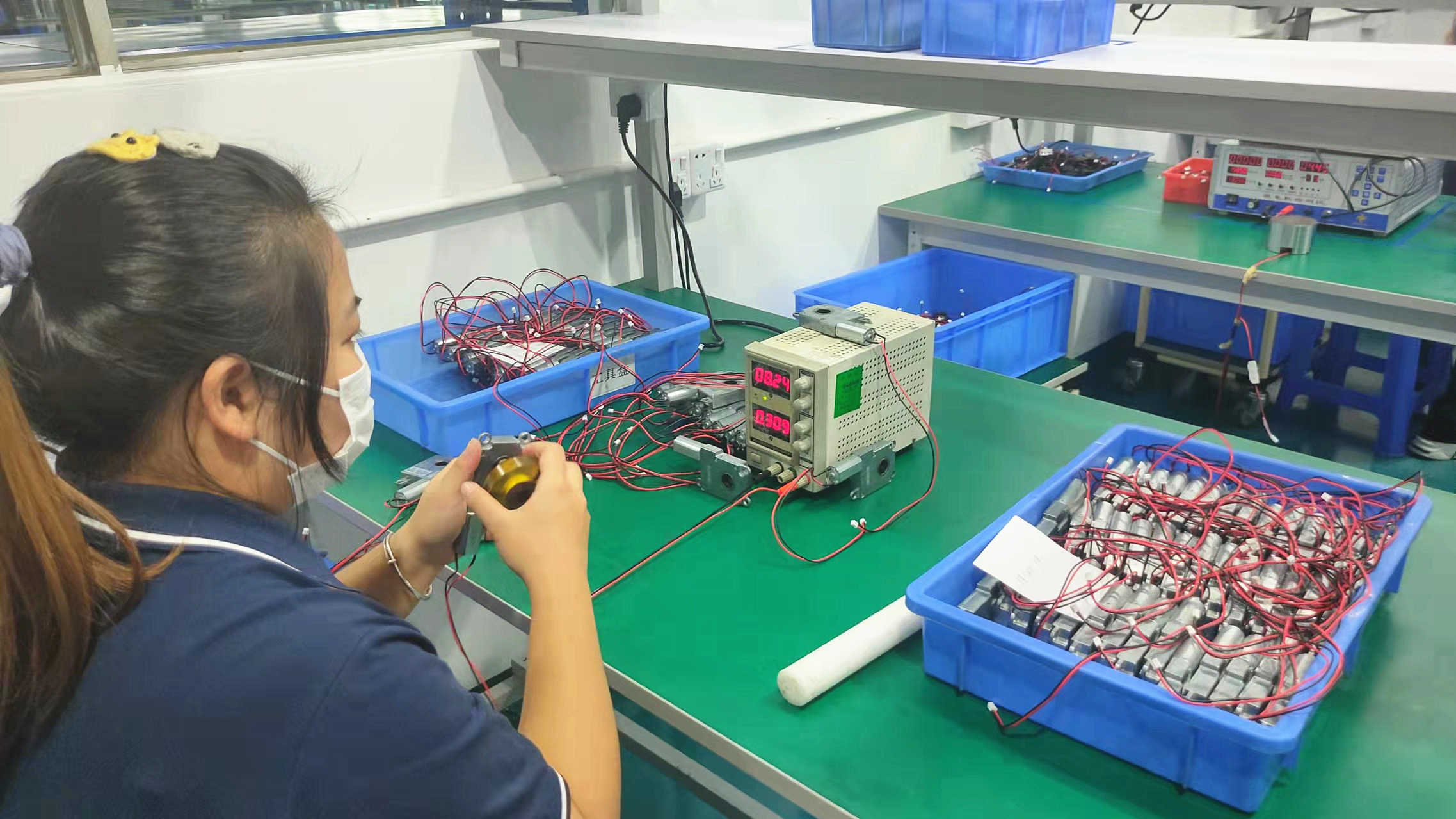
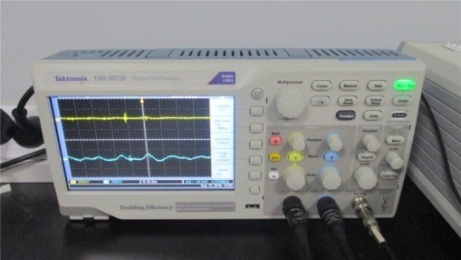
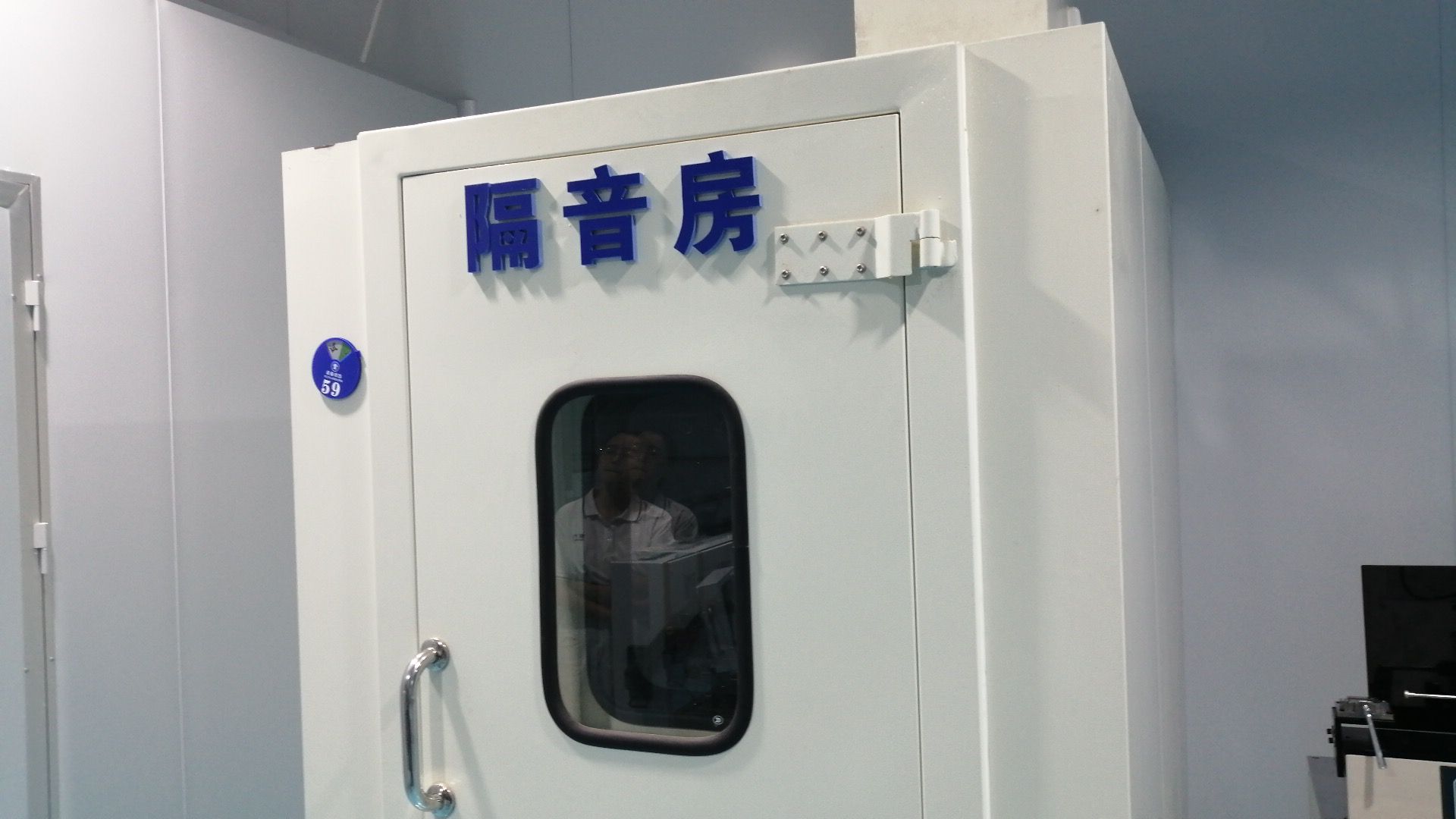
Every batch undergoes automated dynamic balance verification, thermal imaging tests, and acoustic analysis under real operating loads before dispatch.
We work directly with customer blueprints to construct non-standard custom shafts, specific gearhead materials, and integrated feedback encoders for exact application integration.
All operations strictly adhere to international manufacturing standards, with complete regulatory compliance certifications across ISO9001, CE, RoHS, and REACH.
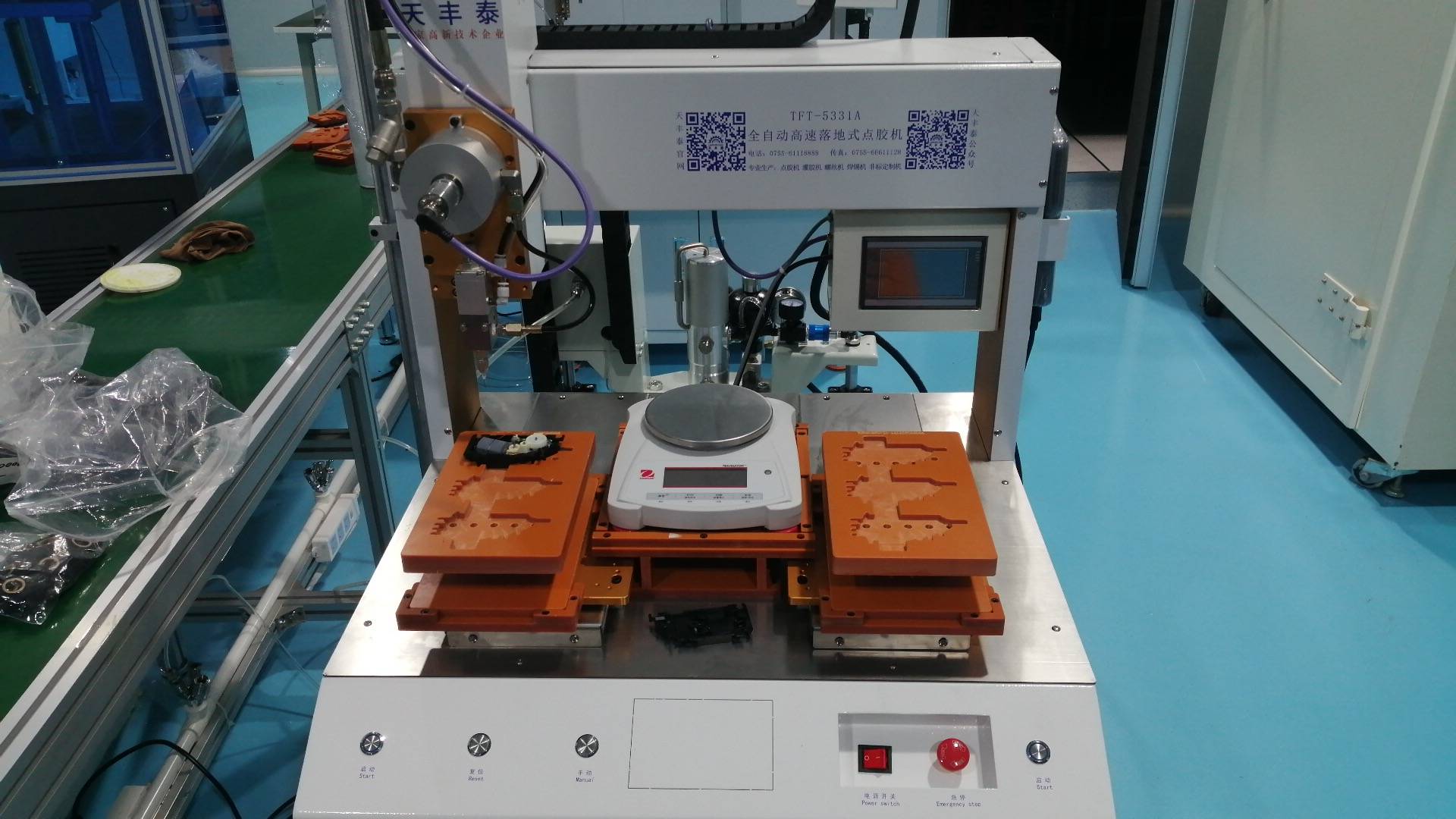
Explore our state-of-the-art manufacturing facilities, machining rooms, automated assembly areas, and quality verification centers.
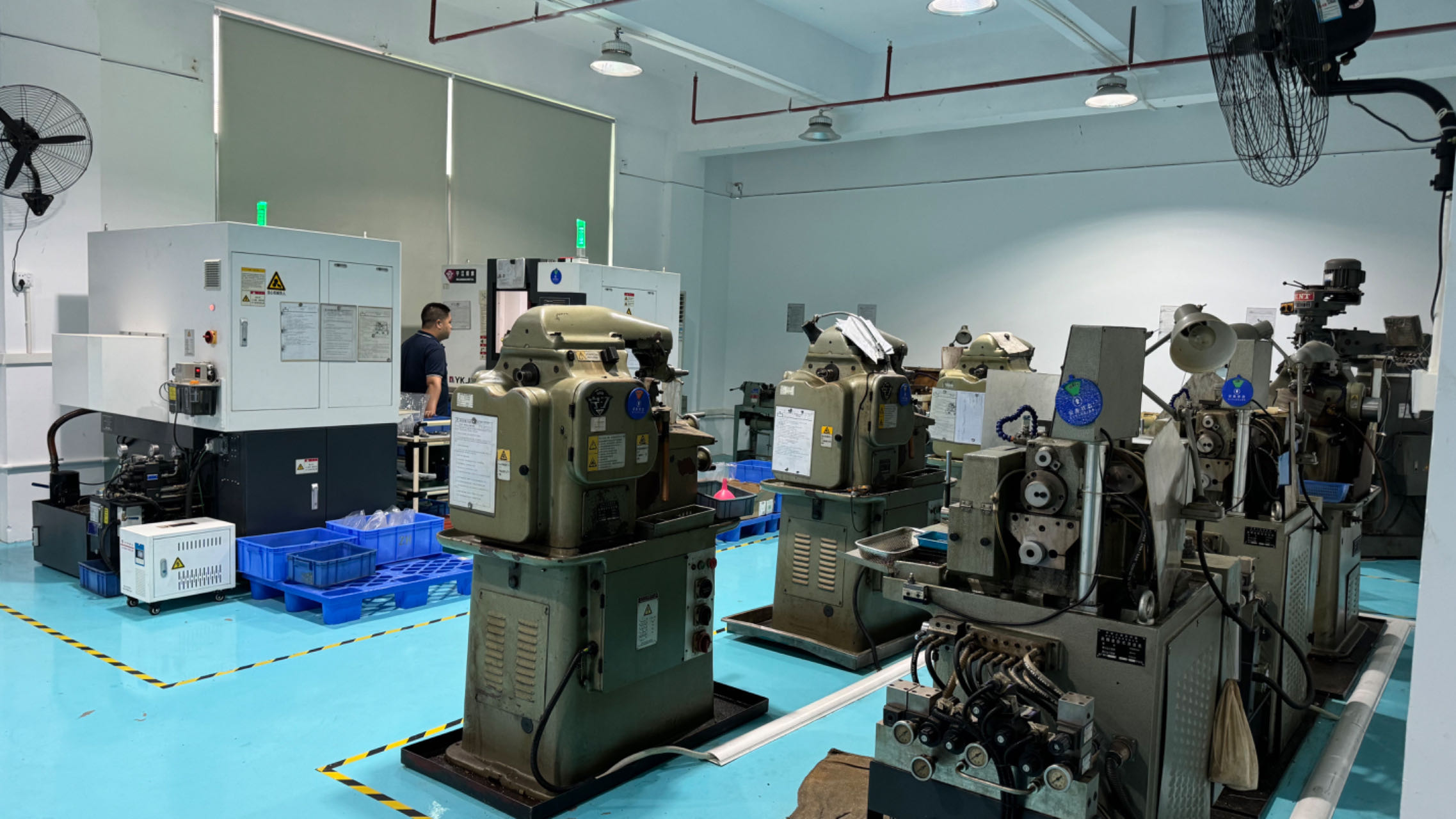
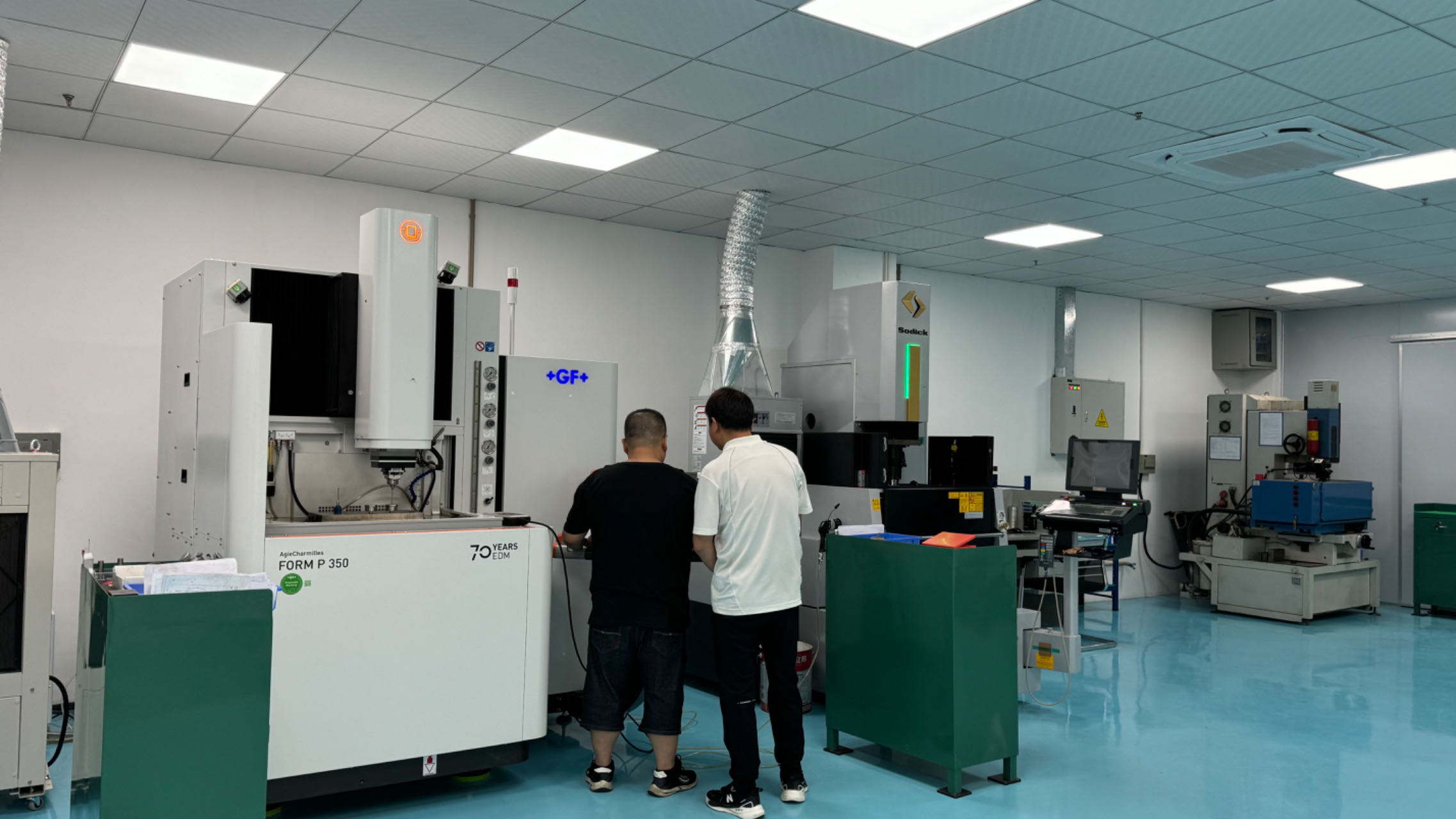
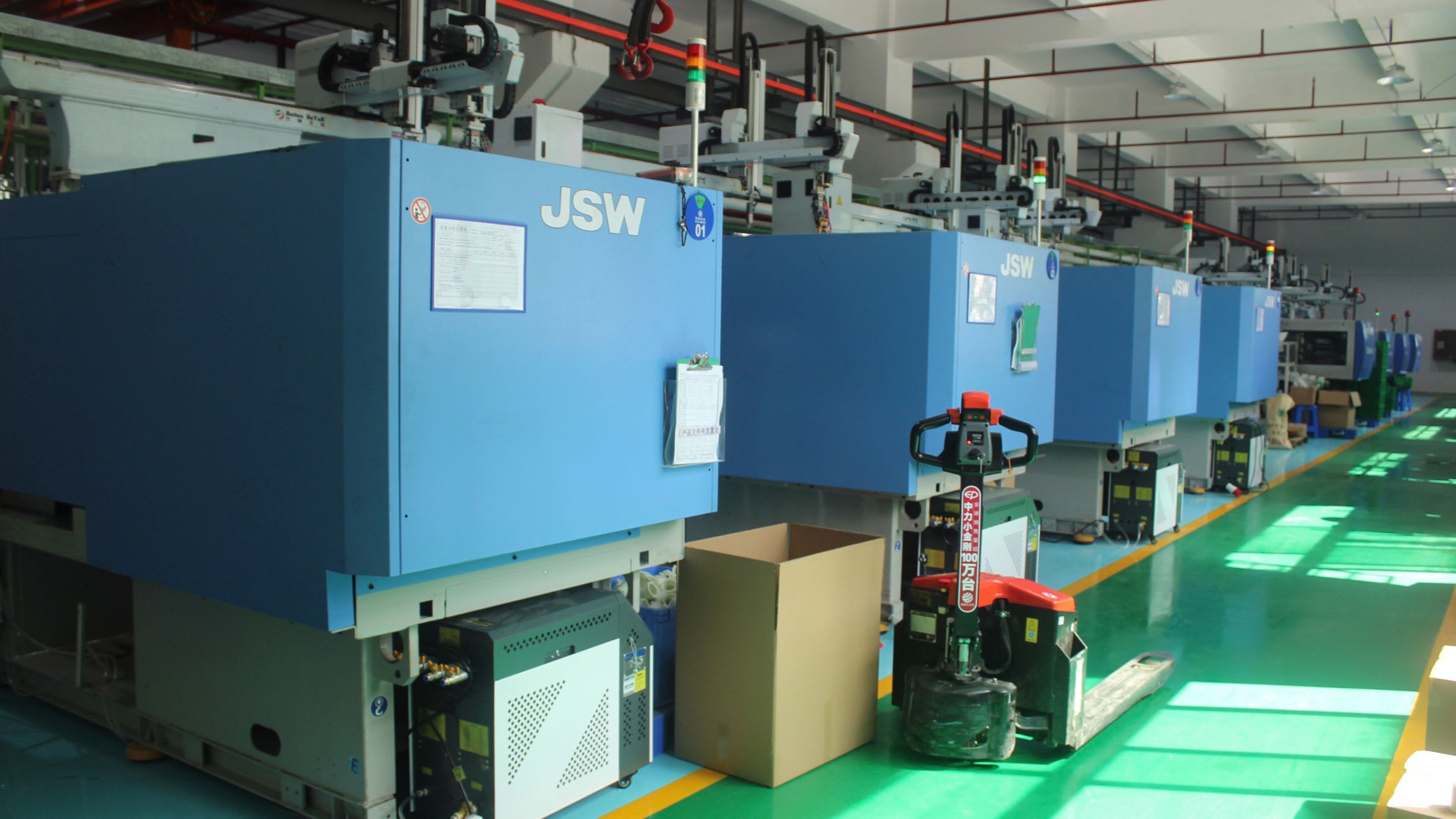
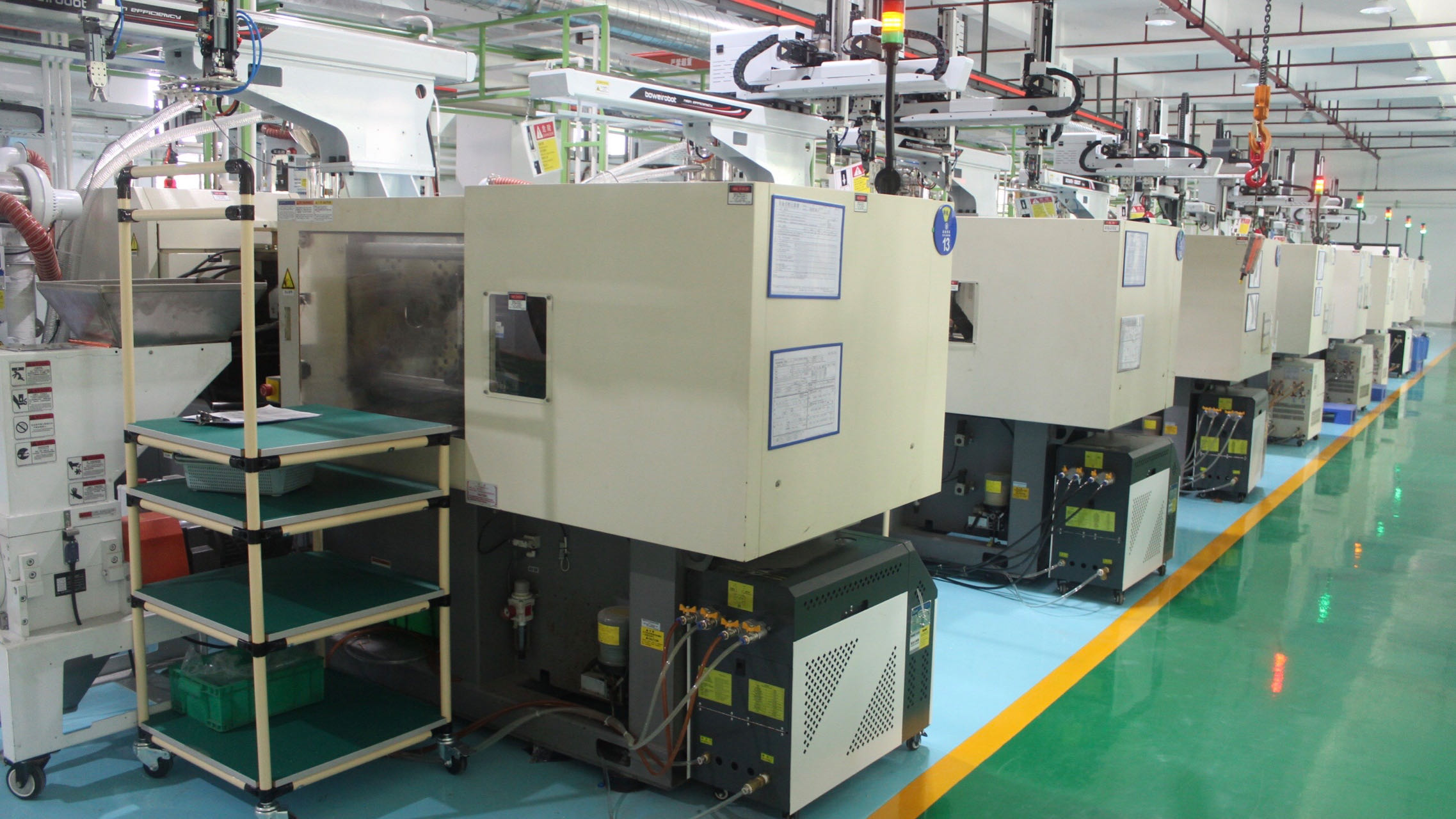
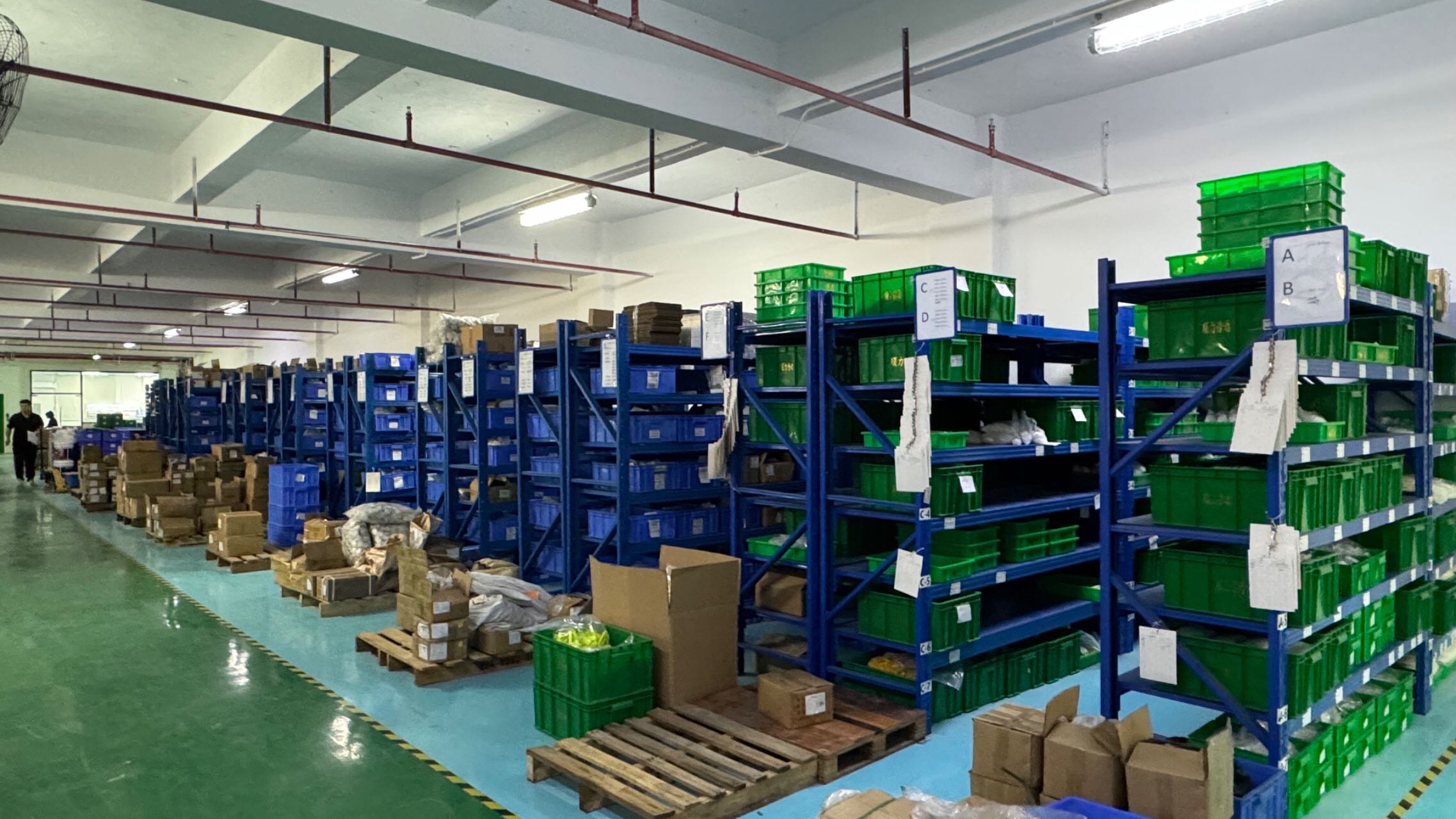

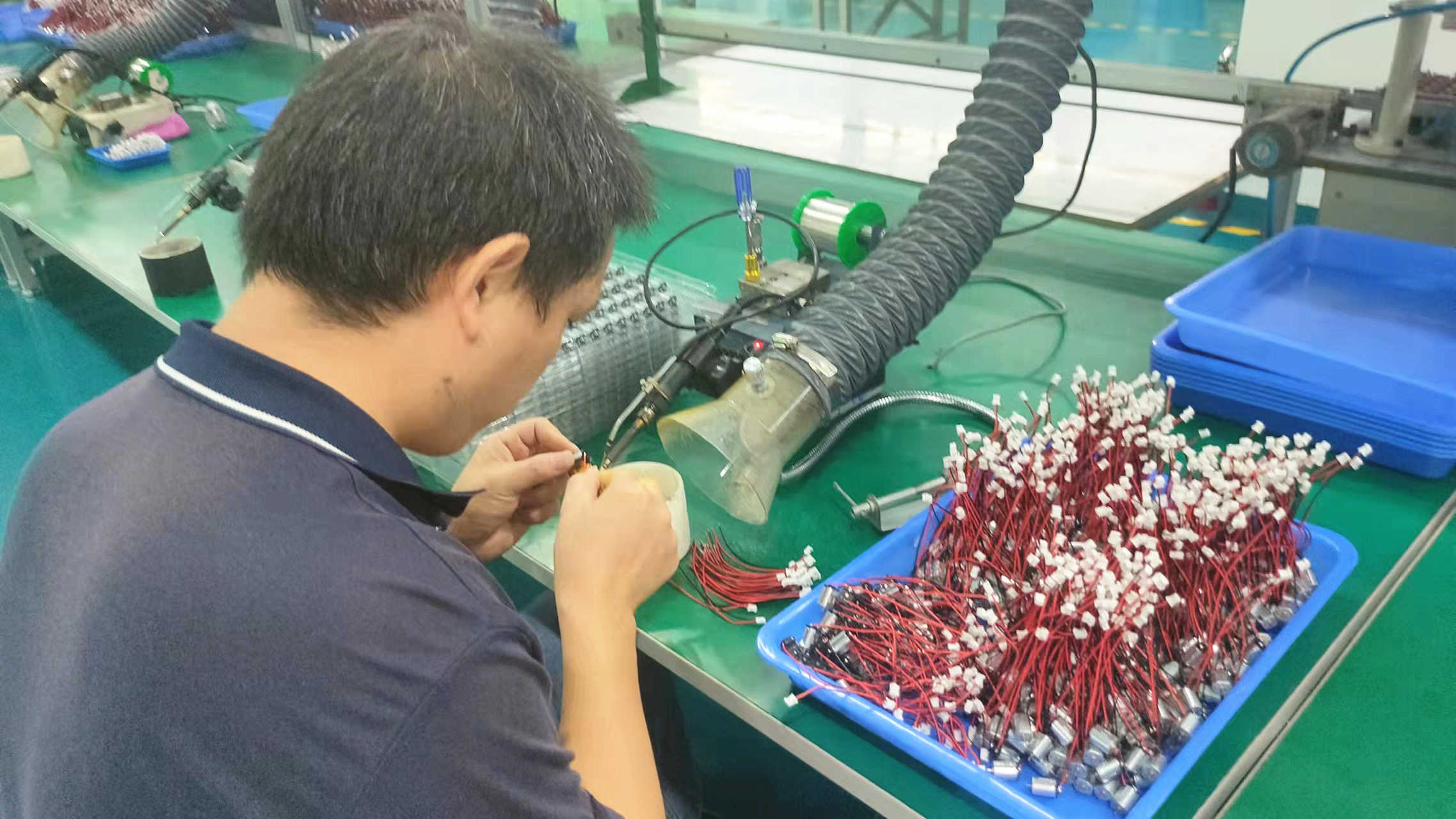
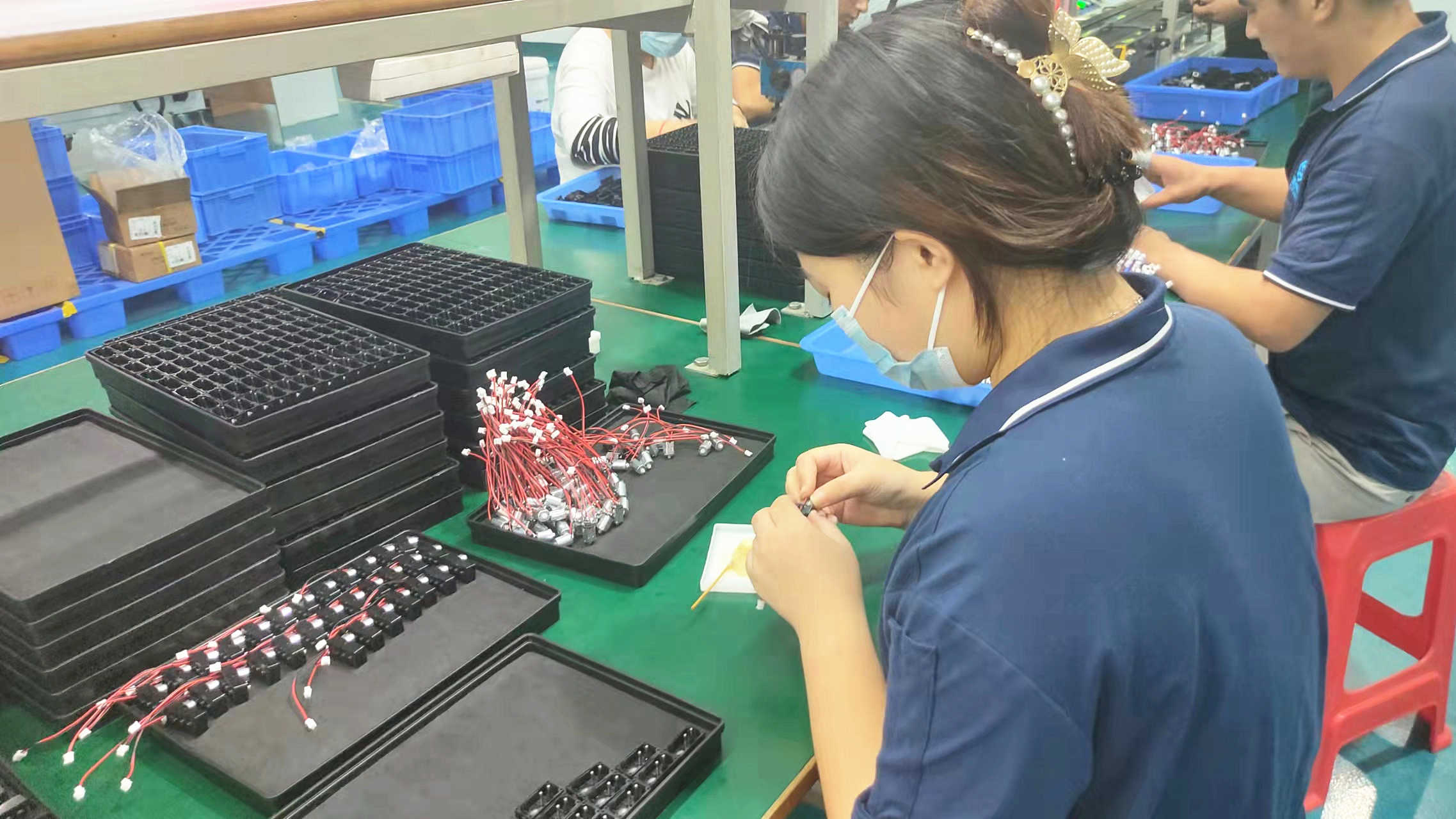
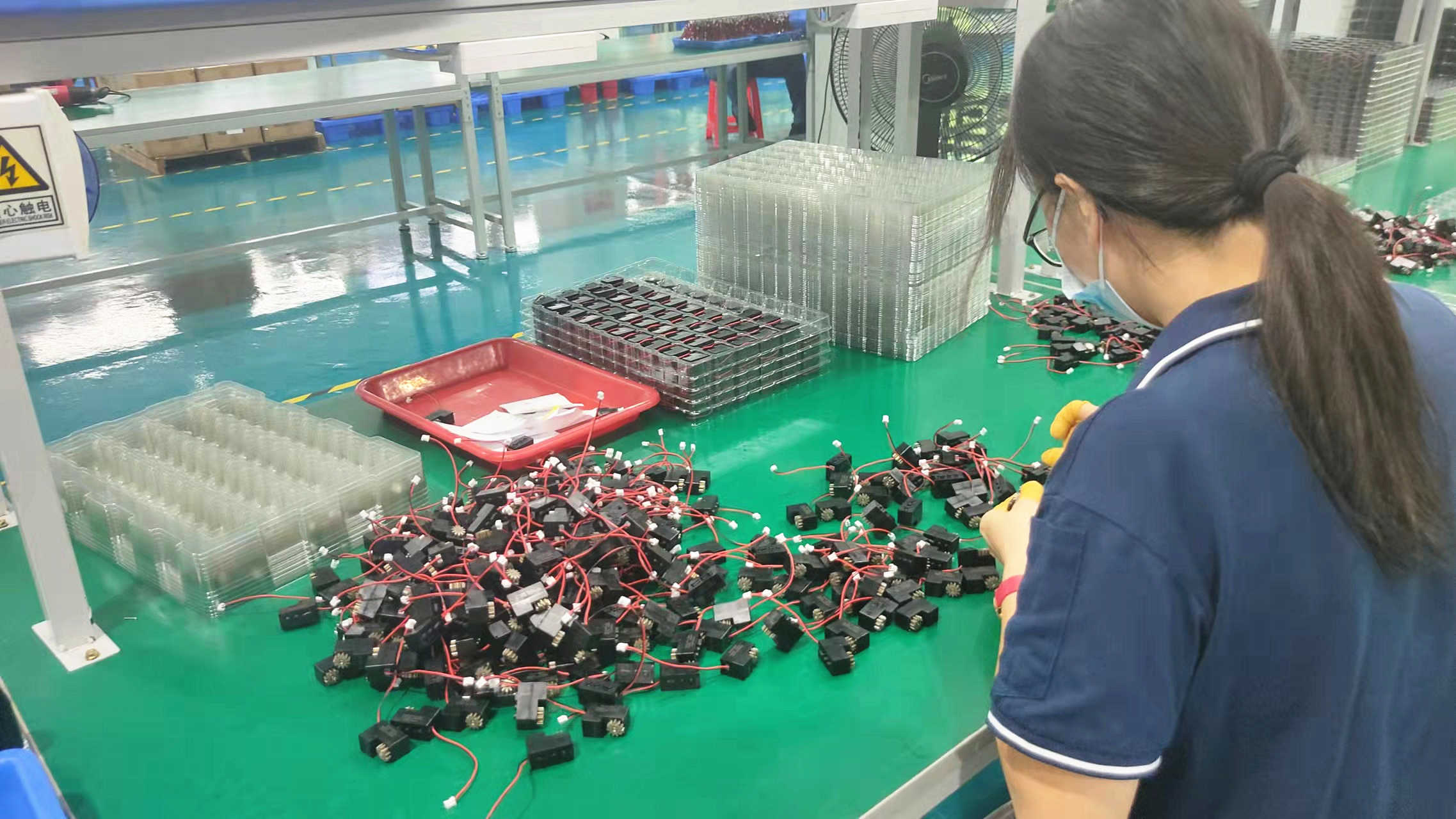
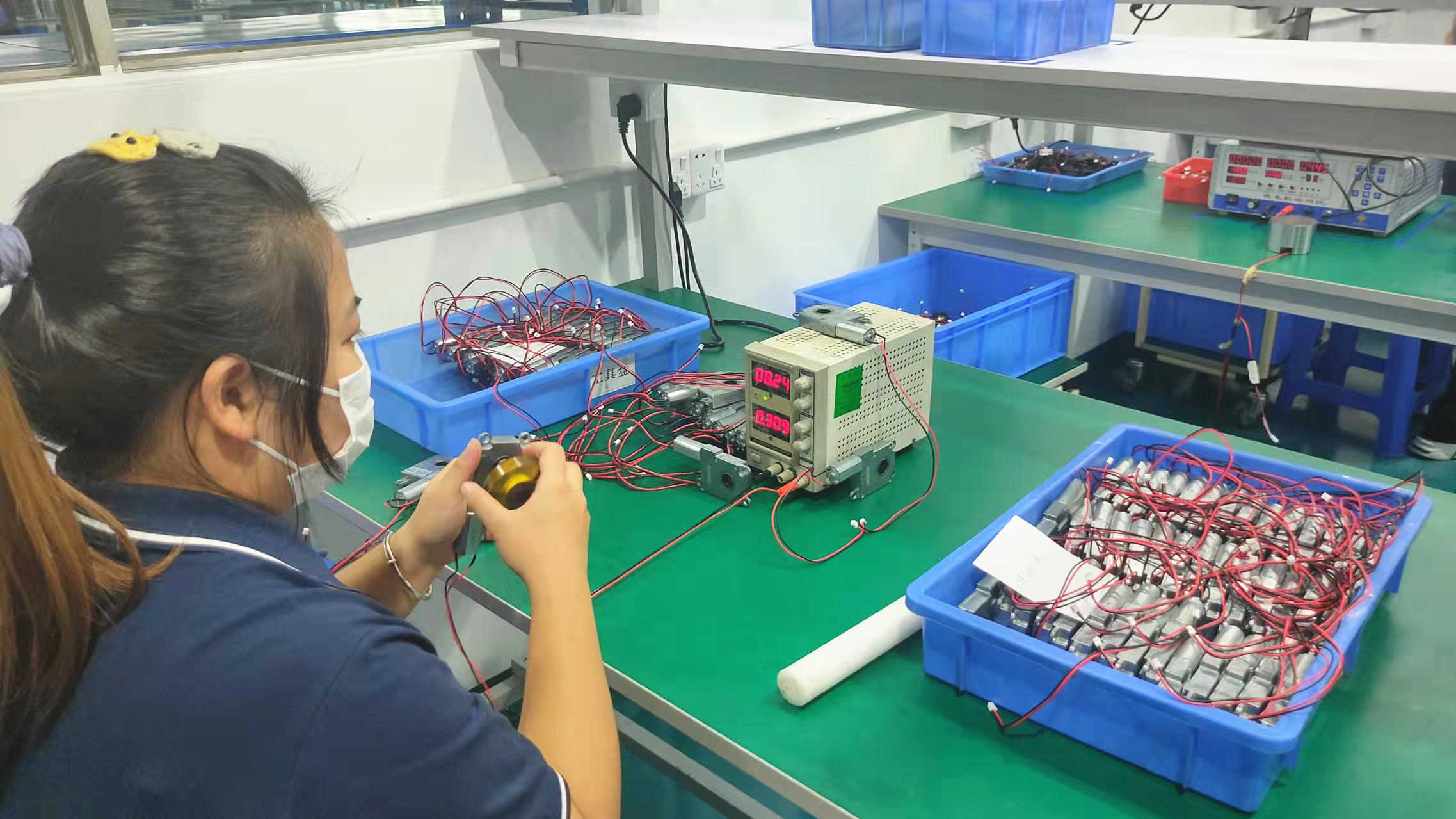
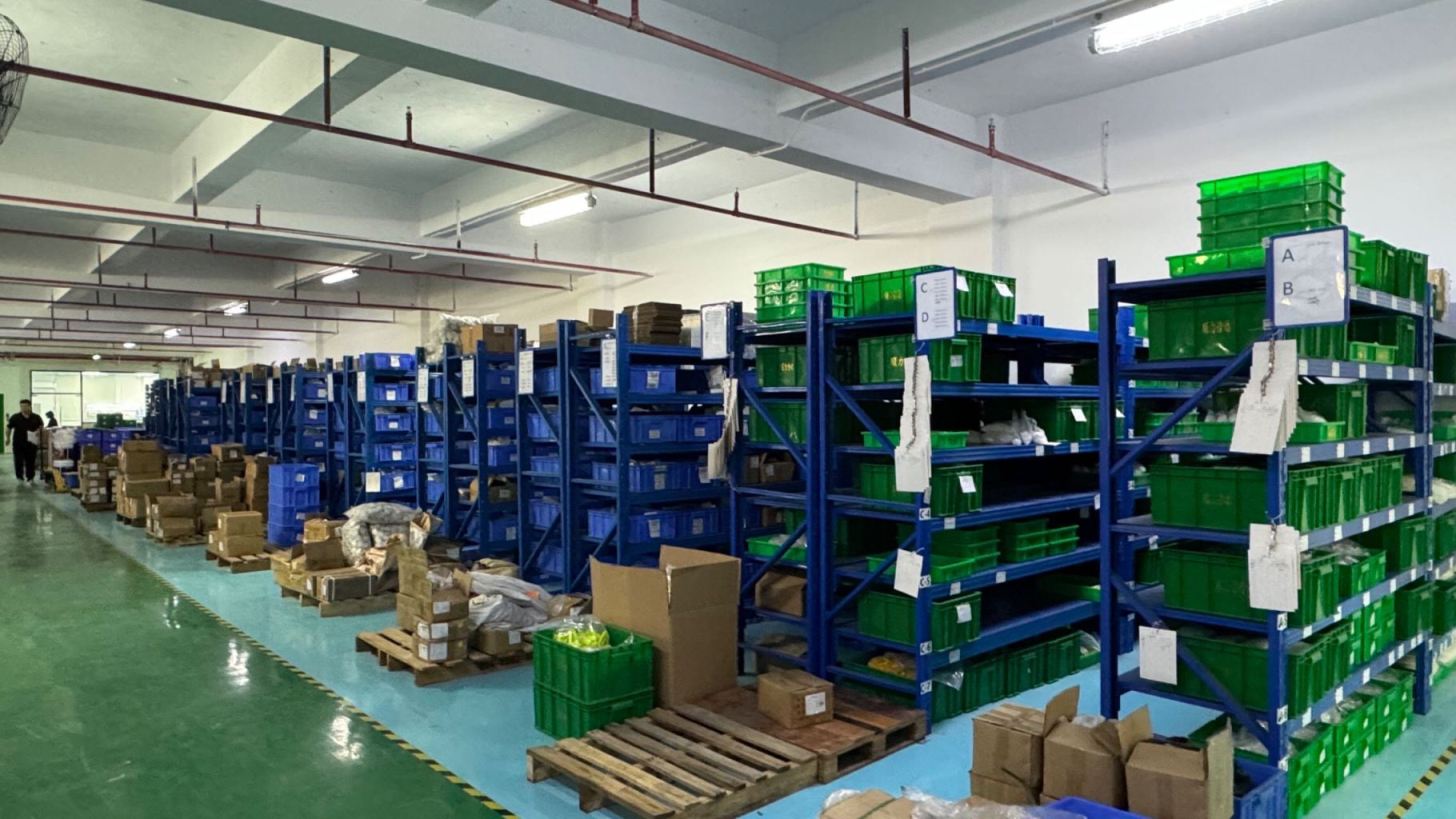
Custom shafts, precise gear shaping, and mechanical housings engineered in-house through advanced machinery assets.
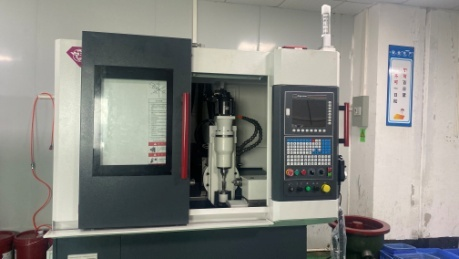
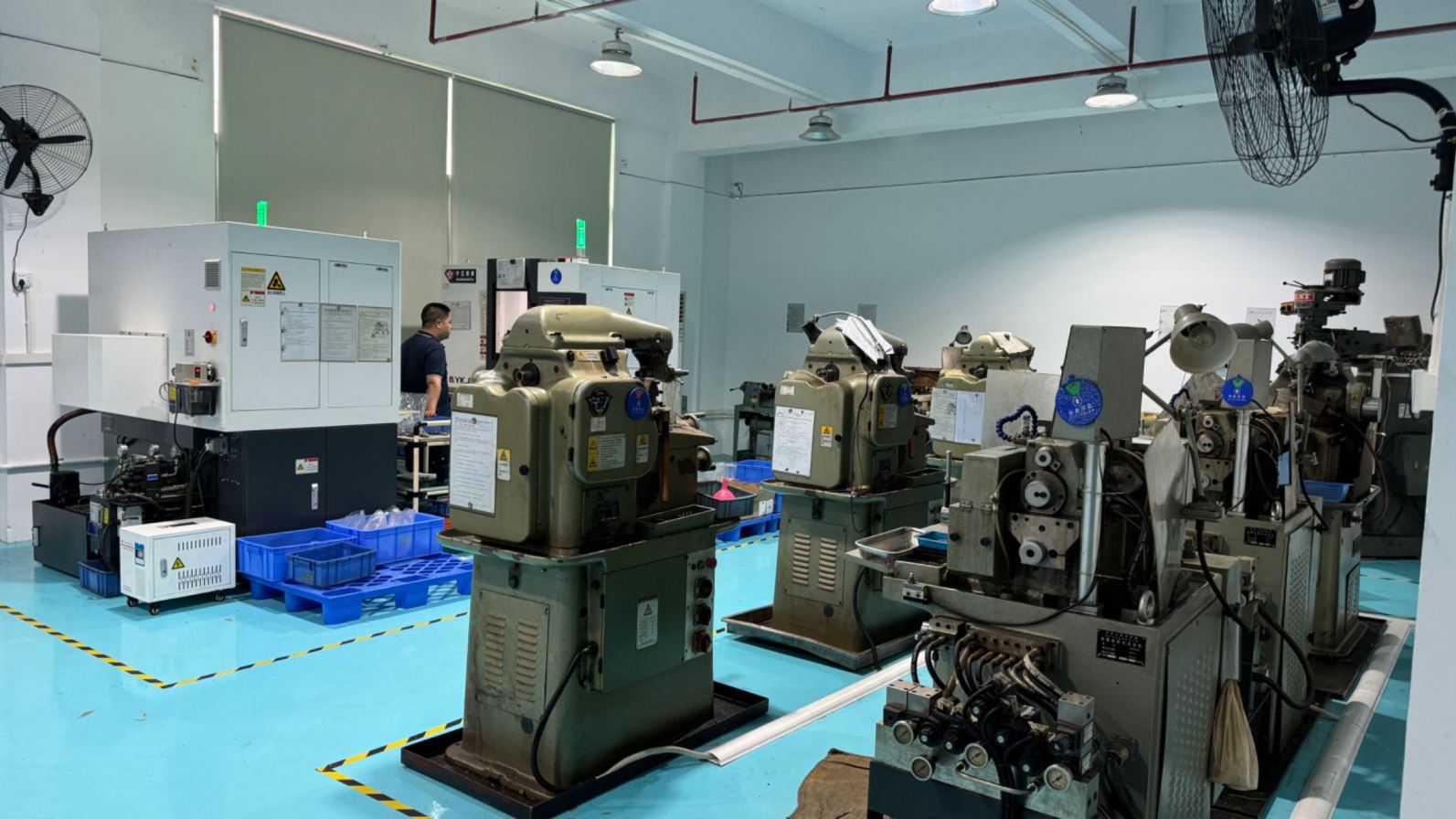
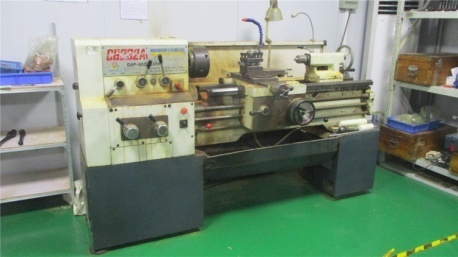
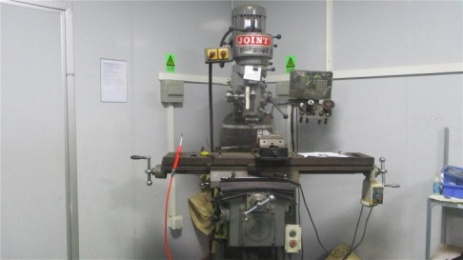
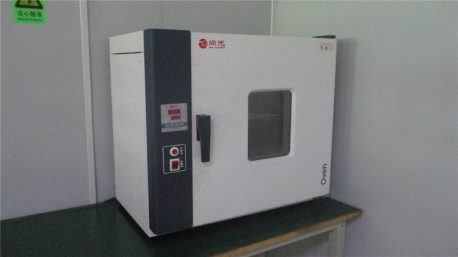
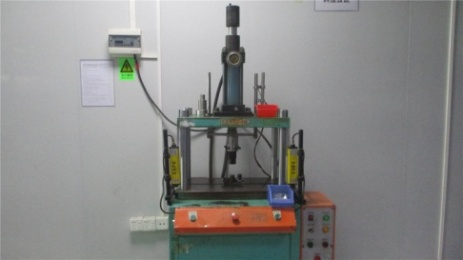
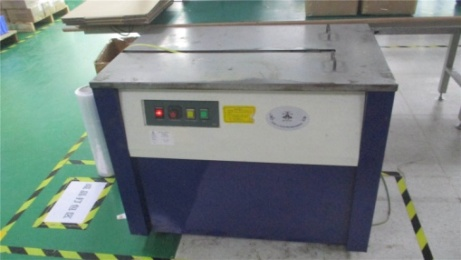
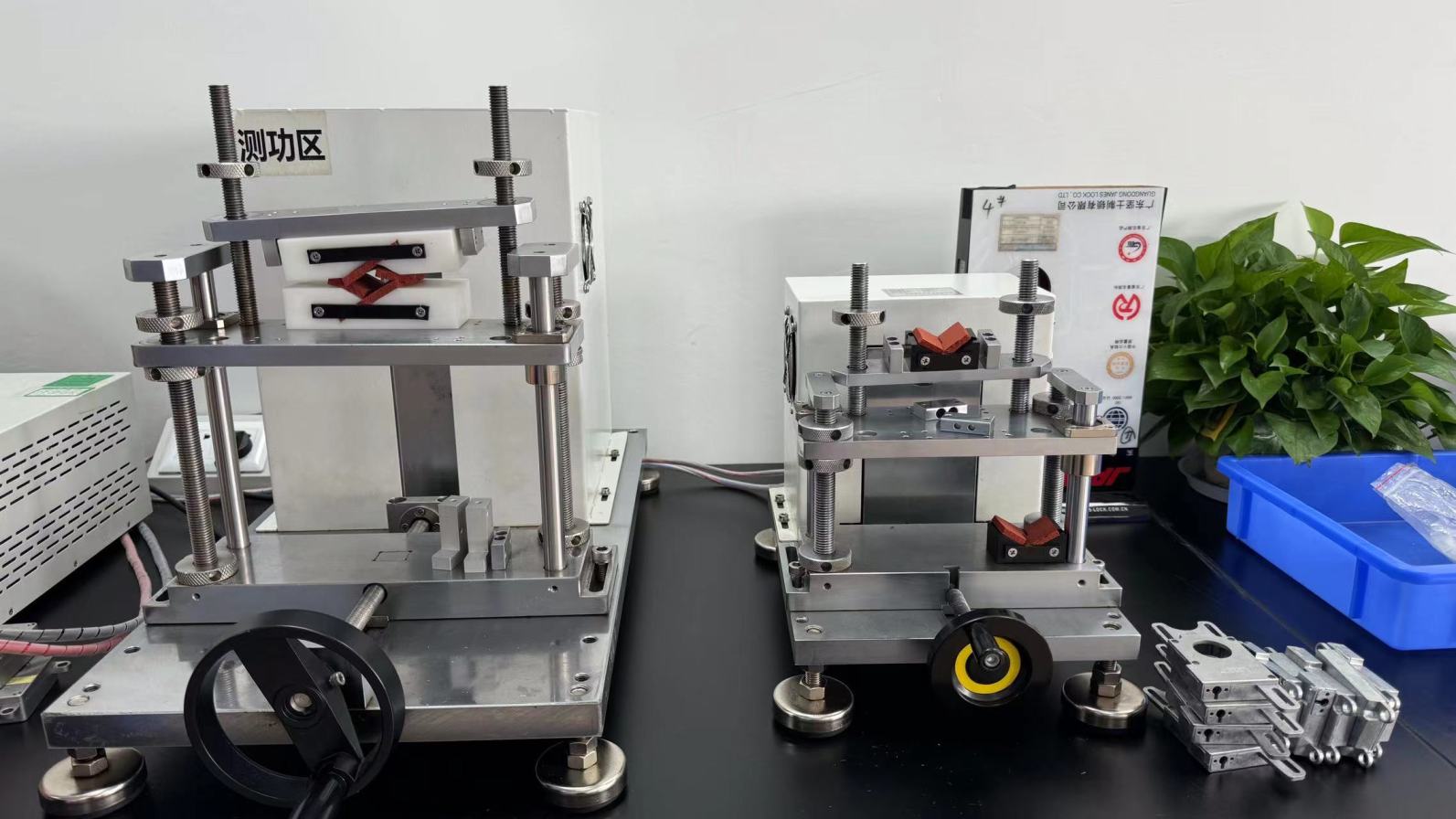
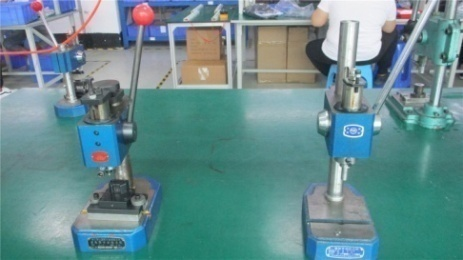
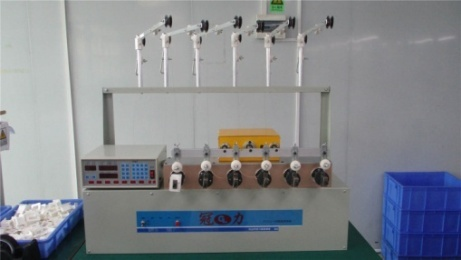
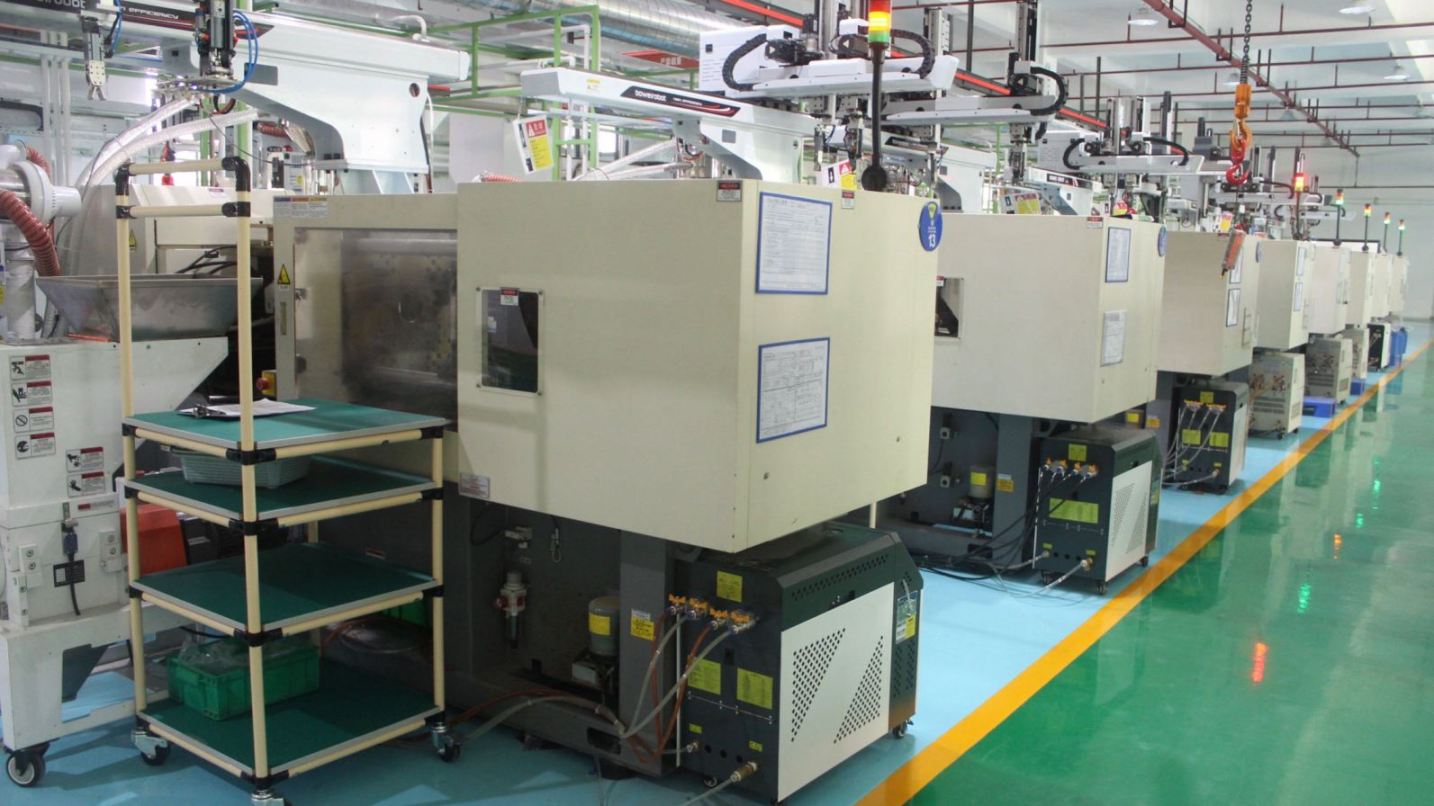
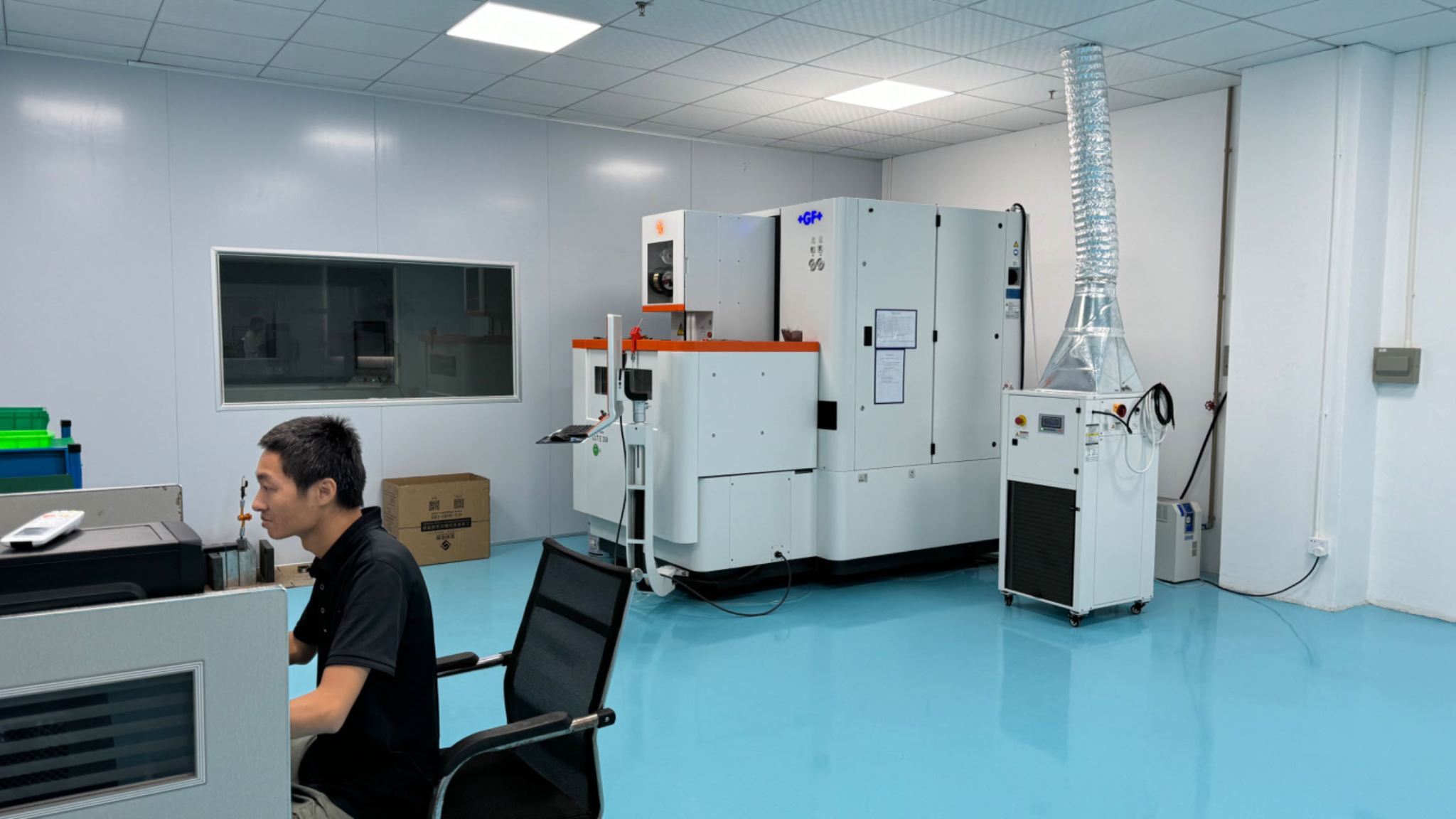
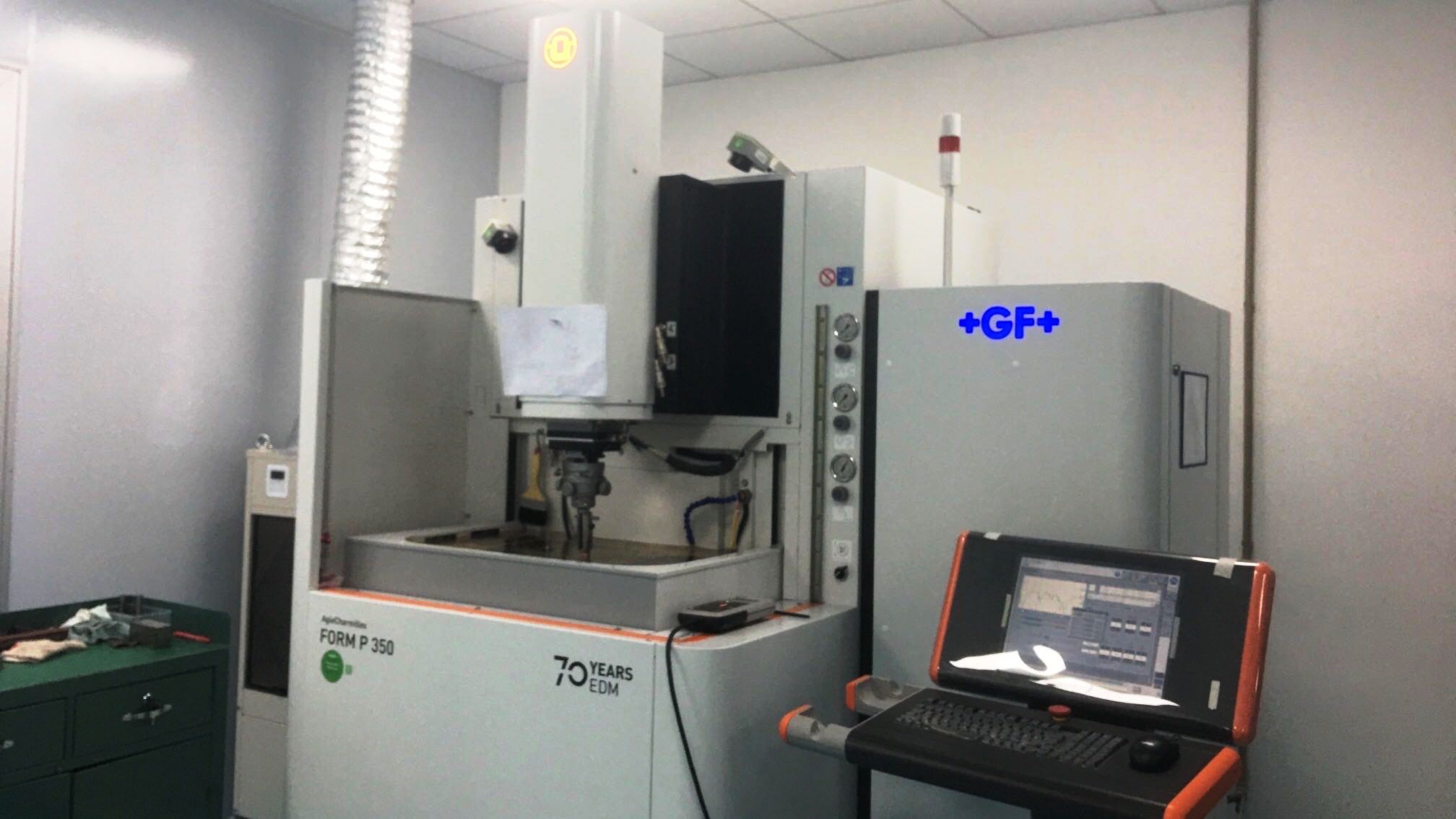
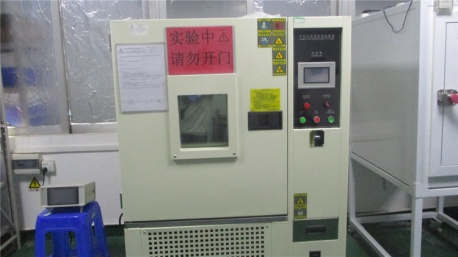
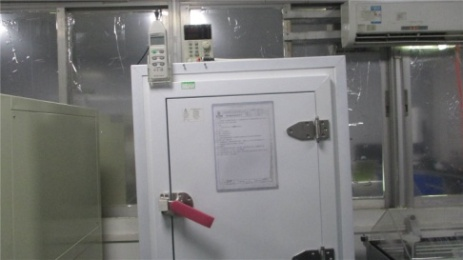
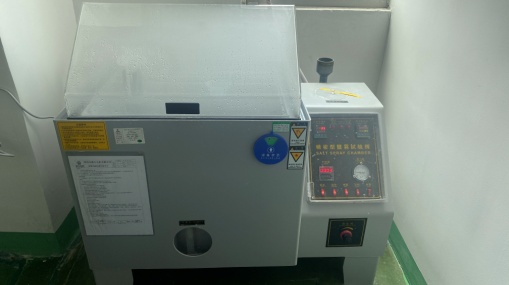
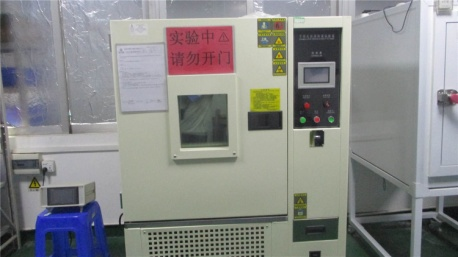
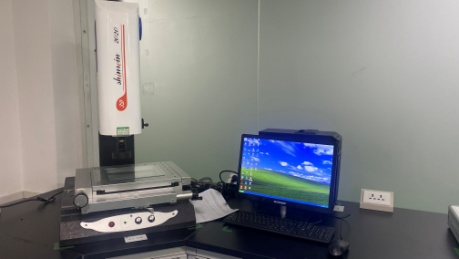
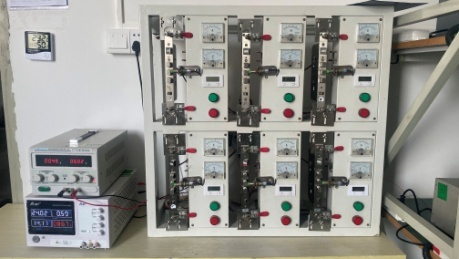
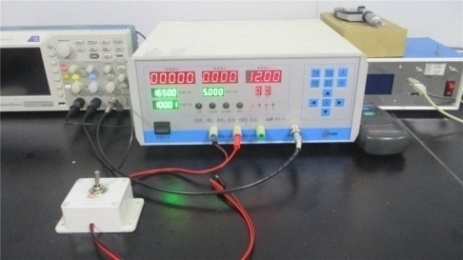
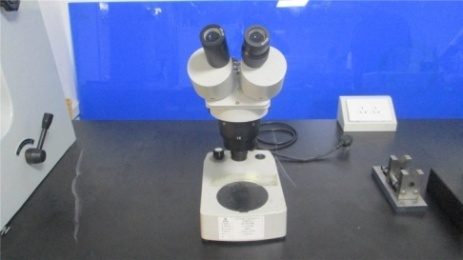
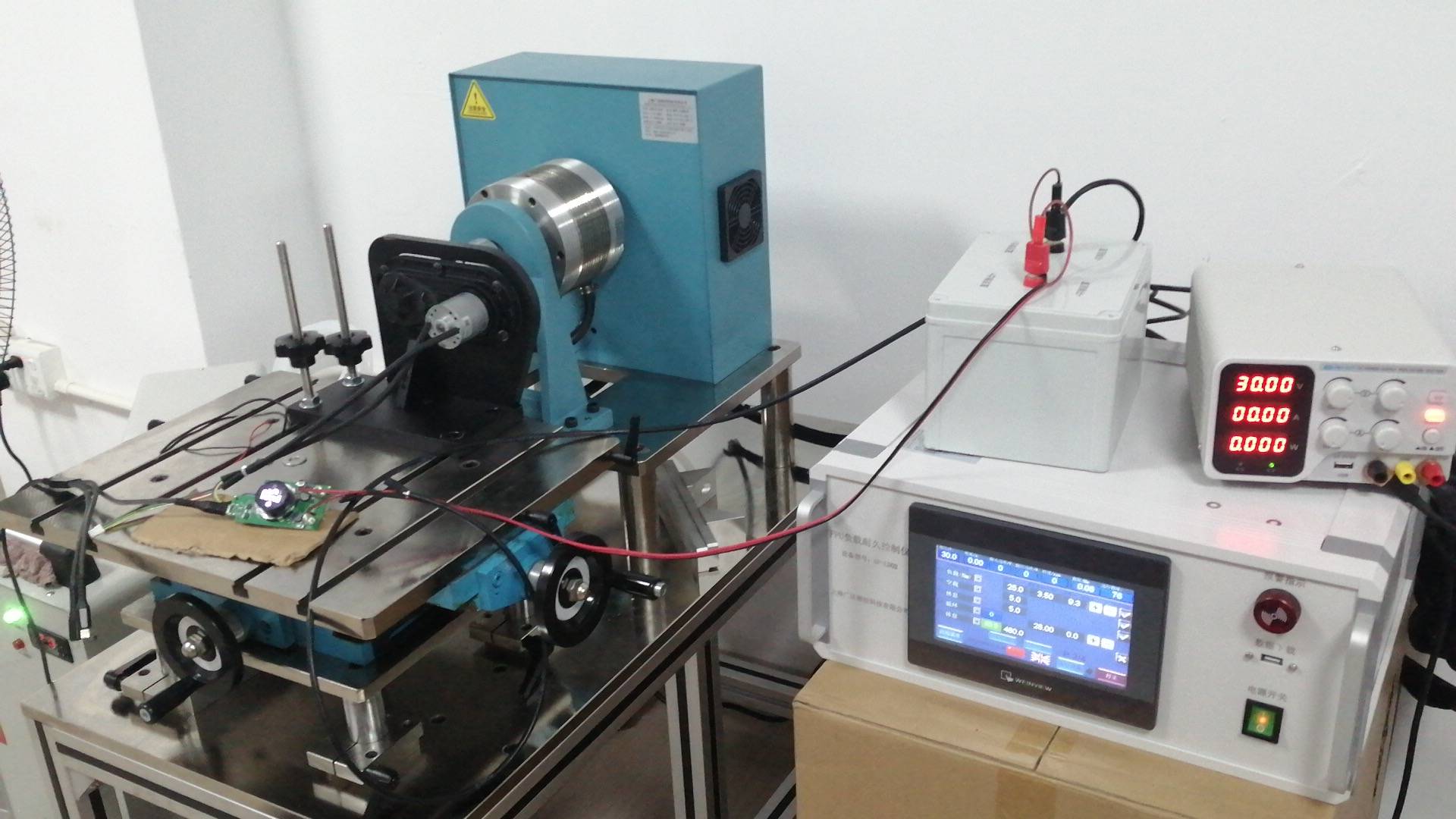
To achieve zero-defect performance, our quality engineers utilize sophisticated inspection equipment for testing torque, noise, lifetime, and corrosion resistance.
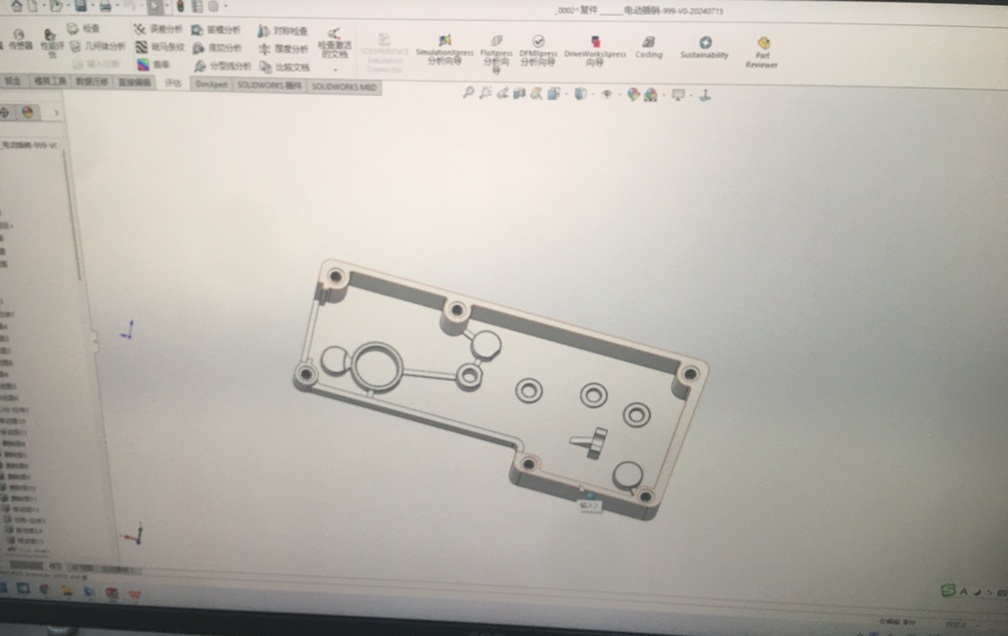
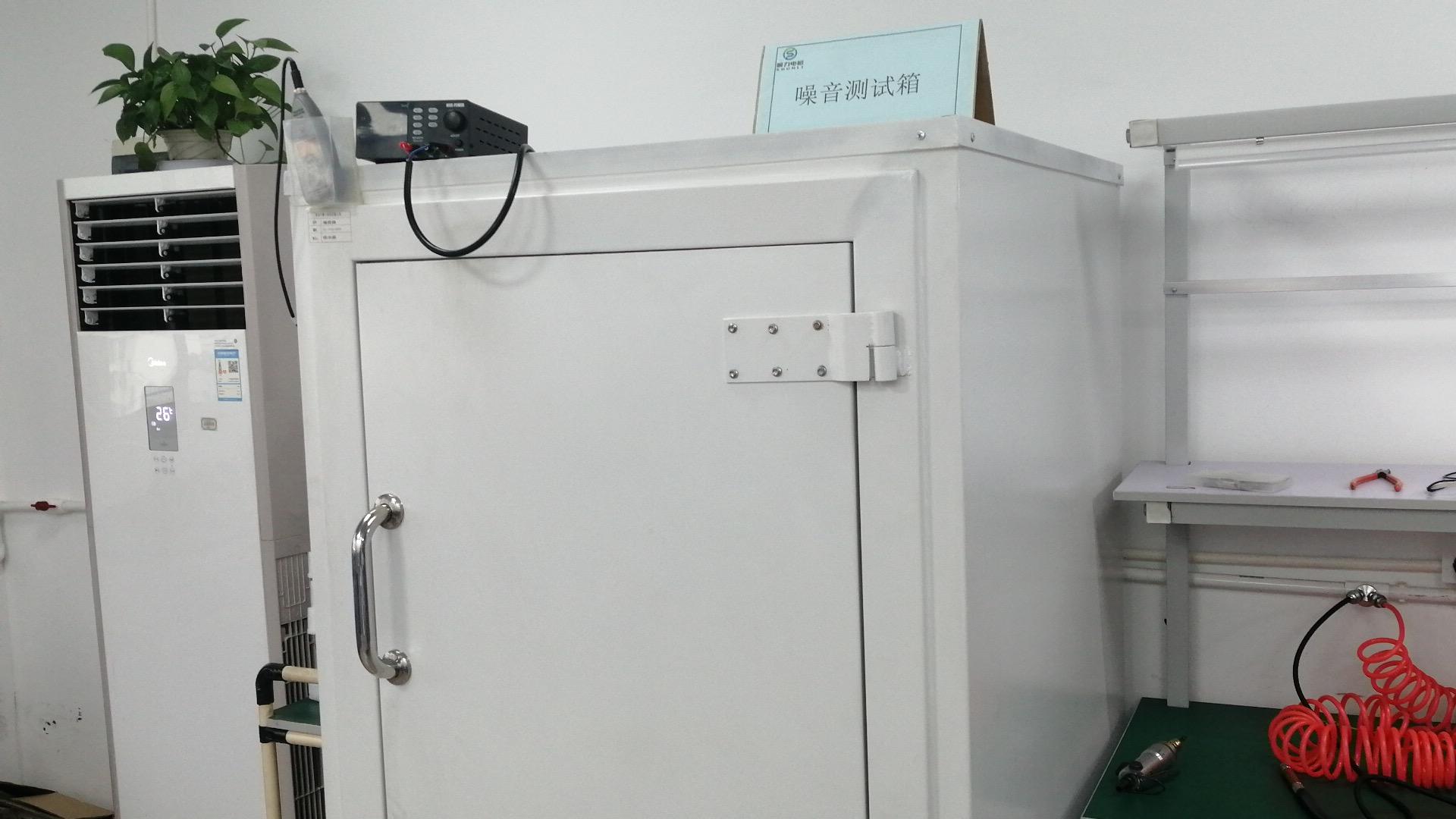
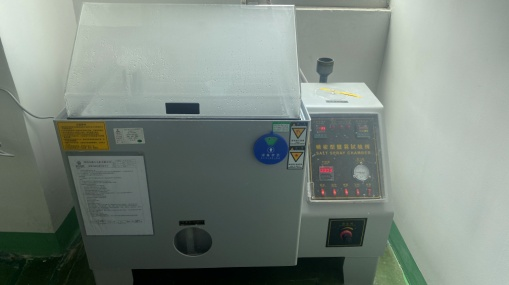
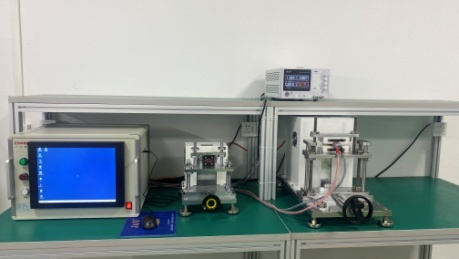
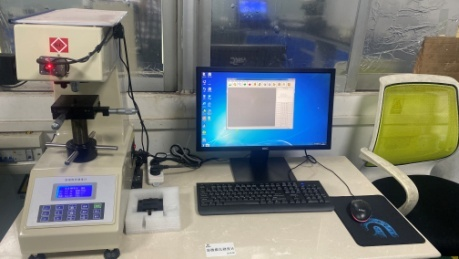
Within precision manufacturing, the DC gear motor serves as the foundational drive module for industrial automation, smart homes, medical instruments, and automotive subsystems. In addition to sourcing raw components, procurement managers evaluate the underlying engineering practices, production controls, and structural integrity of the manufacturer. This white paper highlights key technical guidelines, industry developments, and quality control systems essential for modern motion control sourcing.
The global demand for micro-drive systems is shifting toward higher power density, integration, and efficiency. Several key dynamics shape the engineering processes at modern factories:
Purchasing components through trading companies often introduces risks like inconsistent materials and fragmented communication. Working directly with the manufacturing facility resolves several supply chain challenges:
| Evaluation Parameter | Direct-to-Factory Procurement | Trading Intermediaries |
|---|---|---|
| Traceability | Full material test records (MTR) from raw steel/copper to final assembly. | Segmented supply chains with limited tracking details. |
| Custom Engineering | Direct engineering collaboration for shaft, gear ratio, and voltage changes. | Limited options based on stock configurations. |
| Cost Framework | Clean, volume-based pricing without middleman fees. | Higher unit costs due to agency markups. |
| Quality Control | In-house labs (2.5D CMM, Dynamometers, Salt Spray Chambers). | Relies on third-party audits and visual inspections. |
A reliable gear motor depends on stable material science and tight manufacturing tolerances. Precision gearboxes must address several key design aspects:
To maximize performance and component lifespan, electrical design engineers should consider several system-level requirements during integration:
Overcurrent Protection: If a gear motor stalls, the current increases rapidly to the starting stall current, which can damage the windings. Incorporating current-limiting profiles or PTC fuses in the drive electronics helps prevent thermal failure.
PWM Control: When controlling speed with Pulse Width Modulation, using carrier frequencies between 20 kHz and 25 kHz is ideal to avoid audible noise and reduce ripple current heating.
Radial and Axial Loads: To prevent premature sleeve or ball bearing wear, ensure the output shaft loading remains within specified limits. Using support bearings is recommended for applications with offset loads.
This reference table illustrates typical performance baselines across standard industrial micro motor frame sizes:
| Housing Size (Diameter) | Nominal Voltage Ranges | Gear Options | Typical Applications |
|---|---|---|---|
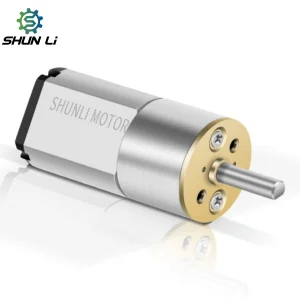
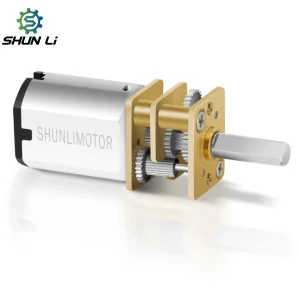
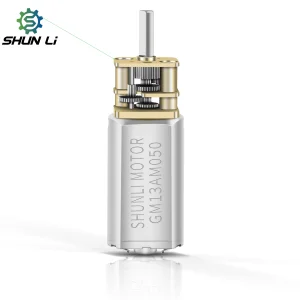
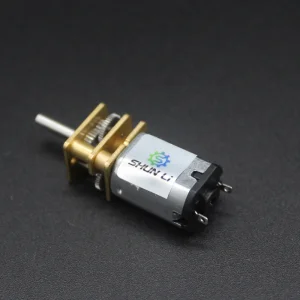
| 12mm (N20/N30 Platform) | 3.0V - 12.0V DC | Spur Gearbox (All-Metal or Plastic) | Smart Locks, Valve Actuators, Toys |
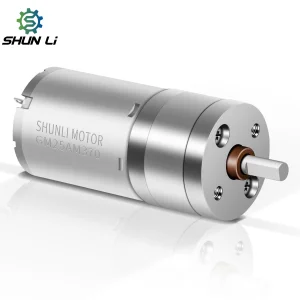
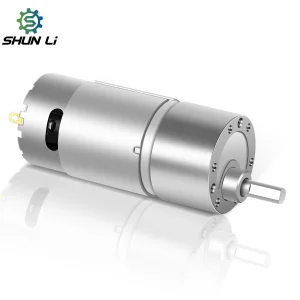
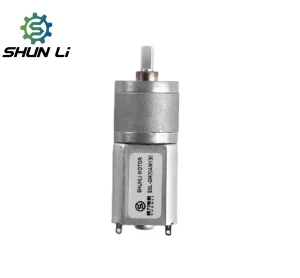
| 20mm Series | 6.0V - 24.0V DC | Spur / Planetary Options | Medical Pumps, Vending Dispensers |
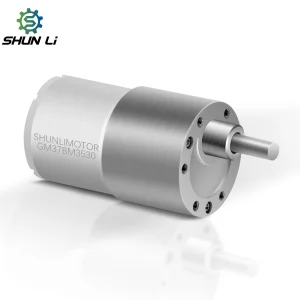
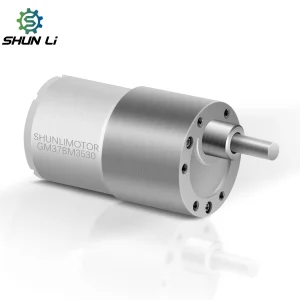
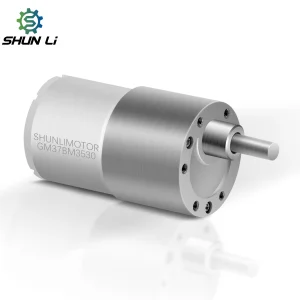
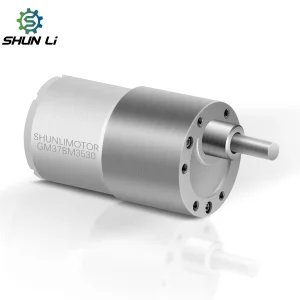
| 37mm Industrial Platform | 12.0V - 24.0V DC | Precision High-Torque Spur Gears | Sliding Gates, Vending Systems, Automation |
Delivering high-quality gear motors requires systematic inspection processes. Our quality management system includes incoming raw material verification, in-process assembly monitoring, and final performance auditing.
We use optical comparators and coordinate measuring machines (CMM) to inspect gear profiles and dimensional tolerances. This ensures proper alignment and reduces frictional drag inside the gearbox. Environmental simulation chambers evaluate performance under extreme conditions, including high humidity, thermal cycling, and salt spray exposure.
For international shipments, we provide complete compliance documentation, including RoHS and REACH declarations, CE certifications, and customized packaging designed to protect the shafts during transit.