How to Choose a Low Noise Motor for Your Needs

Time:2026-09-29 Author:Amelia
0%

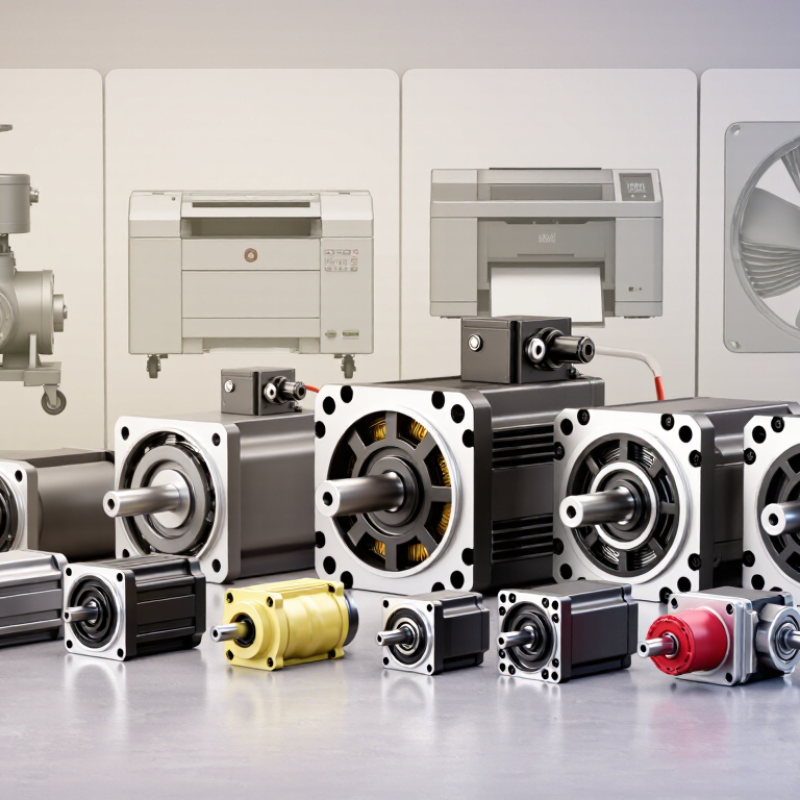
Choosing a Low Noise Motor requires more than comparing decibel ratings on a product page. The right motor must match the machine’s load, speed, duty cycle, voltage, and mounting space. A fan, medical device, office printer, and laboratory pump may all need quiet operation. Their mechanical demands are very different. Listen closely. A faint whine at 3,000 revolutions per minute can become distracting in a quiet room. Vibration may also travel through the frame, even when the motor itself seems quiet.

Reliable selection begins with verified data. Check the sound measurement distance, test conditions, operating speed, and load behind each rating. Ask whether the manufacturer provides vibration limits, bearing information, thermal performance, and service expectations. A brushless design may reduce maintenance, while better balancing and isolation can lower transmitted noise. However, no specification replaces a realistic prototype test. Install the motor with its intended coupling, housing, and controller. Then measure noise near the operator, not only beside the motor.

My experience with equipment testing has shown that “quiet” is rarely absolute. A motor can produce low airborne noise but create a harsh resonance through thin metal panels. That detail is easy to miss. It is also worth reviewing performance over time, because worn bearings, loose fasteners, and poor alignment can change the sound quickly. The best choice balances acoustic comfort, dependable output, energy use, cost, and long-term serviceability. A perfect answer may not exist. Careful testing usually reveals the most practical one.
How to Choose a Low Noise Motor for Your Needs

Define the Noise Requirements for Your Application

Before selecting a motor, define where it will run and who will hear it. A fan inside a quiet bedroom has different needs from a pump behind a machine-room door. Set a sound target in decibels, measured at a stated distance and operating load. “Quiet” alone is not a usable specification. Record background noise, too; a motor may seem loud at night but disappear beneath daytime activity.

NIOSH’s Criteria for a Recommended Standard: Occupational Noise Exposure sets an 85 dBA recommended exposure limit for an eight-hour workday, using a 3 dB exchange rate. That figure is an occupational exposure benchmark, not a comfort target for homes or offices. For those settings, assess sound at the listener’s position and note tonal hum, vibration, and startup noise. A steady 50 dBA hum can feel more intrusive than a brief, broader sound. Ask suppliers for sound-pressure data, test conditions, and octave-band results, then compare motors under matching loads. If measurements come from different distances, the comparison is shaky. I have seen specifications look impressively low until the installation adds a resonant panel; allow room for that uncertainty.

Compare Motor Types, Operating Speeds, and Noise Sources

Choosing a quiet motor starts with matching its design to the job. Brushless motors often run smoothly because they avoid brush contact, though their controllers can produce a faint electrical whine. Brushed motors may be simpler to control, but worn brushes can add a scratchy sound. Induction motors are often steady under continuous loads, while vibration from a poor mount may make them seem louder than they are. No motor type is silent.

Operating speed matters just as much. A motor spinning quickly can create more airflow noise and a higher-pitched tone. If your equipment allows it, test the motor at the speed you will actually use, not only at its maximum rating. Listen from your normal working distance. A phone sound-meter app can help compare setups, but it is not a calibrated measurement tool. The reading is only a clue.

Track down the sound source before choosing a replacement. A loose bracket may rattle against a metal panel; an imbalanced fan can send a low hum through a tabletop. Bearings may click as they wear. These details are easy to miss. Secure the mount, check alignment, and test again before buying a different motor. I have found that “quiet” can mean a smooth tone to one person and an irritating buzz to another. Compare noise, heat, load, and speed together, because a quieter motor that struggles under load may not be the better choice.

Evaluate Torque, Load, Efficiency, and Vibration Performance

How to Choose a Low Noise Motor for Your Needs

A quiet motor is not automatically the right motor. Start with the required torque, load, and operating speed. Measure the real load, including startup resistance and sudden changes. A motor that runs smoothly with a light load may struggle under repeated peaks. Leave a sensible torque margin, but avoid excessive oversizing. An oversized motor can waste energy and create unnecessary heat.

Efficiency matters during long operating hours. Check the rated efficiency at your normal working point, not only at maximum performance. A small efficiency loss becomes significant in equipment running every day. Also examine vibration performance. Unbalanced couplings, loose mounts, and worn bearings can make a quiet motor sound harsh. In practical testing, a vibration meter often reveals problems that hearing misses. Do not rely on one short test. Temperature, load, and mounting conditions can change the result.

Tips: Record sound and vibration at no load, normal load, and peak load. Check torque at startup. Inspect the mounting surface. Ask for measured noise data, but question how it was tested. A laboratory result may not match your enclosure or floor. I have seen technically efficient motors perform poorly after installation. The specification was correct, but the system around it was not. Recheck alignment, airflow, and fastener tension before replacing the motor.

Check Acoustic Ratings, Mounting Conditions, and Control Methods

A low-noise motor is not necessarily quiet in every installation. Compare acoustic ratings only when the test distance, load, and operating speed are similar. A decibel figure without test conditions can mislead. Listen under load. A motor may sound smooth on a bench but produce a noticeable hum once attached to a panel or frame.

Tips: Check the mounting surface before choosing. Thin sheet metal can amplify vibration, while loose fasteners may add rattling. Align the shaft and use suitable vibration isolators when the application allows. Small details matter. They can change the sound more than expected.

Control methods also affect noise. Pulse-width modulation can create a high-pitched tone at certain speeds, while a different switching frequency or control setting may reduce it. Check the motor and controller specifications together, and test them at the speeds you expect to use. In practical installations, I would measure near the operator’s position, not just beside the motor. Room acoustics and nearby equipment can skew impressions, so a quiet test area is helpful. It is worth admitting that the lowest rating on paper may not be the quietest choice in your actual setup.

Select and Validate the Motor Through Testing and Maintenance Planning

How to Choose a Low Noise Motor for Your Needs

Select a motor for its actual job, not just its advertised sound level. Check the required speed, torque, duty cycle, and mounting method. These details affect noise and vibration. A motor that sounds quiet without a load may behave differently in your equipment. Match test conditions to real use as closely as possible.

Tips: Run the motor at typical and peak loads. Measure sound from a fixed distance in a quiet room, and note the speed and temperature. Listen for rattles or tonal whines. Small differences matter. A phone app can help compare setups, but it is not a calibrated measurement tool.

Validate the choice over time, not in a single short test. Record readings after installation, then repeat them during routine checks. Inspect mounts, fasteners, bearings, and cooling paths; looseness or wear can raise noise. Follow the motor’s service guidance and keep a simple log of changes. Testing is imperfect: room acoustics and nearby equipment can distort results, so compare motors under the same conditions before deciding.

FAQS

How should I choose a low-noise motor for my equipment?

Match the motor to real torque, load, speed, duty cycle, and mounting conditions. Quiet operation alone is not enough.

Why should startup resistance be measured?

Startup often needs more torque than continuous running. Check sudden load changes and repeated peaks before selecting the motor.

Is a larger motor always safer?

No. Oversizing can waste energy, increase heat, and reduce practical efficiency. Leave a sensible torque margin instead.

How does efficiency affect long operating hours?

Check efficiency at the normal working point. A small daily loss can become significant over months of operation.

What can cause noise when the motor itself is quiet?

Loose mounts, unbalanced couplings, worn bearings, and poor alignment can create harsh sounds. Inspect the surrounding system carefully.

How should motor noise and vibration be tested?

Test at no load, normal load, and peak load. Record sound, vibration, speed, temperature, and testing distance.

Can a phone app accurately measure motor noise?

A phone app can compare two setups, but it is not a calibrated instrument. Treat its readings as useful clues.

How can I confirm the motor remains quiet after installation?

Repeat measurements during routine checks. Inspect fasteners, bearings, cooling paths, and mounting surfaces for changes.

Why might laboratory noise results differ from actual performance?

Room acoustics, enclosures, floors, and nearby equipment can change the result. Compare motors under matching conditions.

What should I do before replacing a noisy motor?

Recheck alignment, airflow, mounting, and fastener tension. I have seen a correct motor fail because its system was poorly adjusted.

Conclusion

Choosing a Low Noise Motor begins with defining the acceptable sound level for the application, including when and where the motor will operate. Compare motor types and operating speeds, and consider common noise sources such as friction, airflow, electrical switching, and mechanical imbalance. A quieter option should also meet the required torque and load while maintaining suitable efficiency and low vibration; reducing sound should not compromise reliable performance.

Before selecting a motor, review its acoustic ratings alongside the effects of mounting, surrounding structures, and control methods, since these can change perceived noise. Validate the choice under realistic operating conditions by testing sound, vibration, temperature, and load performance. A planned maintenance schedule can help preserve quiet operation over time by identifying wear, loose fittings, or imbalance before they become significant.

Amelia

Amelia

Amelia is a seasoned marketing professional with a wealth of expertise in our company’s core offerings. With an unwavering passion for driving growth and innovation, she plays a pivotal role in shaping our marketing strategies and enhancing brand visibility. A key aspect of her responsibilities......