How to Choose the Best Hot Sale Gear Motor for Your Needs?

Time:2026-07-06 Author:Amelia
0%

In the world of machinery, selecting the right equipment can be a daunting task. This is especially true when it comes to choosing a "Hot Sale Gear Motor." Industry expert, John Smith, emphasizes, “Selecting the right gear motor can enhance efficiency and productivity significantly.” It's essential to understand your specific needs before diving into options available in the market.

Hot Sale Gear Motors have gained popularity due to their versatility and reliability. However, not every motor suits every application. Consider factors like torque requirements, space constraints, and power supply when making your choice. Often, businesses overlook these crucial details, leading to operational inefficiencies.

Mistakes can occur during the selection process, such as prioritizing price over quality. Such decisions may cause long-term issues. Engaging with experts in the field for insights can prevent these pitfalls. Ultimately, a well-chosen gear motor should meet both immediate needs and future challenges.
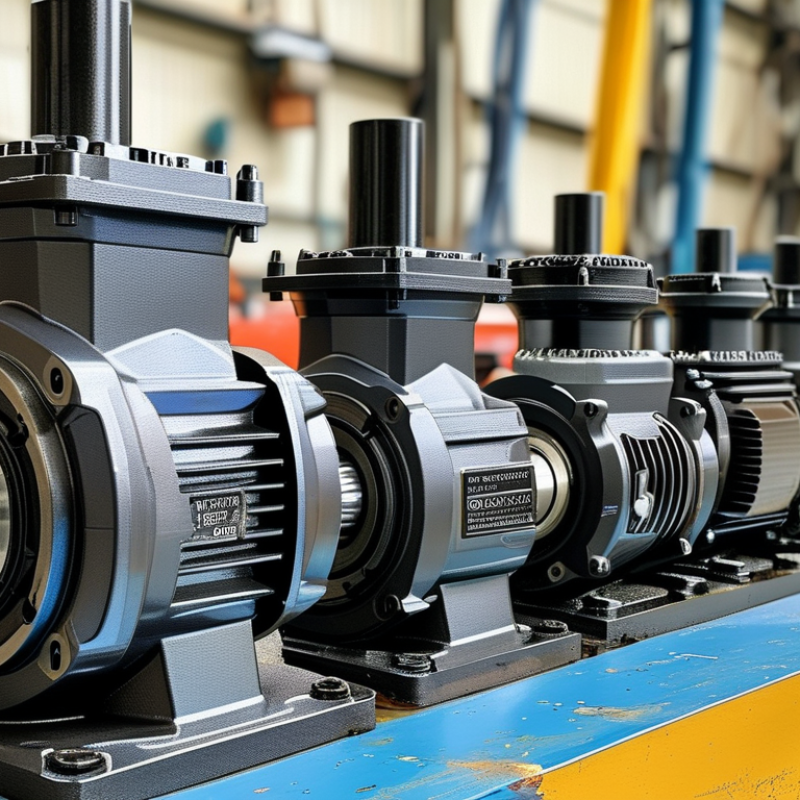
How to Choose the Best Hot Sale Gear Motor for Your Needs?

Understanding Gear Motors and Their Applications

Understanding gear motors is essential for many engineering applications. These devices convert electrical energy into mechanical energy. They are widely used in various fields, including robotics, manufacturing, and automotion. A gear motor’s efficiency depends on its design and the specific needs of the application.

Choosing the right gear motor involves evaluating several factors. Consider the torque, speed, and load requirements of your project. Different applications may demand unique specifications. For instance, a conveyor system might require high torque at low speeds, while a robotic arm might need faster movement with lower torque. Take the time to analyze your needs thoroughly.

Tips: Always measure the expected load. Using a motor that is too weak will lead to failure. Calibration is key in achieving efficiency. Test different motor configurations in realistic scenarios. Don't shy away from trying different gear ratios; this may significantly affect performance. Be aware that overloading can shorten the motor's lifespan. Reflect on your gear motor choices often. Continuous improvement is vital in engineering design.

Gear Motor Applications and Power Ratings

Key Factors to Consider When Choosing a Gear Motor

Choosing the right gear motor for your application can be daunting. Several key factors come into play. The first consideration is torque. Understand the load you'll be dealing with. Insufficient torque can lead to motor failure. It’s also essential to consider the speed. High speeds may be necessary for some applications, but they can impact torque. Finding the right balance is crucial.

Power ratings are another important aspect. Assess the energy source you'll use. Electric motors are popular, but pneumatic or hydraulic options exist. Each type has its strengths and weaknesses. Additionally, think about the environment where the motor will operate. Parameters like temperature and humidity can affect performance and longevity.

**Tip:** Always consult with a specialist to confirm your choices. They can provide insights that are often overlooked.

Compatibility with your existing system is vital. Ensure the gear motor fits with your machinery. Check shaft sizes and mounting configurations. It’s easy to overlook these minor details. Don’t let a small mismatch derail your project.

**Tip:** Take measurements seriously and document everything. This practice helps in avoiding future headaches.

How to Choose the Best Hot Sale Gear Motor for Your Needs? - Key Factors to Consider When Choosing a Gear Motor

Factor Description Importance
Torque The rotational force produced by the motor. High
Speed The number of revolutions per minute (RPM) the motor can achieve. High
Voltage The electrical voltage required to operate the motor. Medium
Gear Ratio The ratio that determines the speed and torque characteristics of the motor. High
Size and Weight Physical dimensions and weight of the gear motor. Medium
Environment Operating conditions, such as humidity and temperature. High
Noise Level The amount of noise produced during operation. Medium
Cost Purchase price of the gear motor. High

Types of Gear Motors and Their Unique Features

When selecting a gear motor, understanding the different types is vital. Gear motors are generally categorized into three types: DC gear motors, AC gear motors, and stepper gear motors. Each has unique features suited for specific applications. According to a recent market research report, the global gear motor market is expected to reach $30 billion by 2025, highlighting the increasing demand for various types.

DC gear motors are popular in robotics and automation. They provide precise control over speed and torque. Research shows that they are highly efficient in low-speed applications. On the other hand, AC gear motors are ideal for high-torque applications, particularly in industrial settings. They are robust and often require less maintenance. Meanwhile, stepper motors are essential for applications demanding precise positioning, such as 3D printing or CNC machines.

As you delve into the choices, consider factors like power supply compatibility and load requirements. Each type has its pros and cons. DC gear motors might struggle under higher loads, while AC motors can be cumbersome in mobility applications. A well-informed choice requires balancing these unique features while considering the specific demands of your project.

Evaluating Performance Criteria for Gear Motors

When evaluating gear motors, performance criteria play a crucial role. Consider the torque output, speed range, and efficiency. Torque determines how much load the motor can handle. A higher torque is essential for heavy-duty applications. However, excessive torque can lead to overheating. Balancing torque with your operational needs is key.

Speed is another critical factor. Different applications require varying speeds. Understand the required RPM for your specific tasks. Also, inspect the gear ratio. A higher ratio can provide more torque but reduces speed. It’s a trade-off that must meet your operational demands.

Efficiency rates often indicate long-term reliability and cost-effectiveness. A highly efficient motor saves energy and reduces operational costs. However, overly efficient designs can have complexity and maintenance challenges. Find a balance that suits your expertise and needs. Always reflect on the specific application before making a decision. Identifying the right criteria ensures you choose a gear motor that aligns with your operational requirements.

Budgeting and Sourcing the Right Gear Motor for Your Needs

Choosing the right gear motor starts with understanding your budget. The global gear motor market is anticipated to grow to $3.4 billion by 2028, highlighting its vital role in various industries. With that growth, there’s a wider range of options available. However, balancing quality and price is crucial. You want a product that meets specifications without exceeding financial constraints.

When searching for a gear motor, sourcing is equally important. Review manufacturers and suppliers deeply. Many rely on online platforms, but not all are equal. Reports indicate that 30% of gear motors return due to quality issues. This can lead to delays and financial losses. Discuss with industry experts, and consult product reviews. Ensure that your choice will deliver performance and reliability.

Consider long-term costs such as maintenance and energy efficiency. Sometimes, a lower upfront price may result in higher operational costs. Reflect on your selection to avoid potential regrets. Prioritize a gear motor aligned with your specific application needs, balancing initial investment with longevity and effectiveness.

FAQS

: What is a gear motor?

: A gear motor converts electrical energy into mechanical energy. It is used widely in robotics and manufacturing.

How do I choose the right gear motor?

Evaluate torque, speed, and load requirements. Analyze your project’s needs carefully for the best fit.

What happens if I use a motor that is too weak?

Using a weak motor can lead to failure. Always measure the expected load before selecting a motor.

Are there different types of gear motors?

Yes, there are DC, AC, and stepper gear motors, each suited for different applications and loads.

How do operating conditions affect a gear motor?

Temperature and humidity can impact performance and lifespan. Consider the environment when selecting a motor.

Why is compatibility important?

The gear motor must fit with existing machinery. Check shaft sizes and mounting configurations to avoid issues.

What are power ratings?

Power ratings indicate the energy source for the motor. Electric, pneumatic, and hydraulic options vary in strengths.

How can I achieve motor calibration?

Test different configurations and gear ratios in realistic scenarios. Continuous reflection on choices is essential for efficiency.

Why consult a specialist?

A specialist can provide insights that may be overlooked. Their expertise can guide better motor selection.

What are common mistakes in gear motor selection?

Overlooking minor details like measurements and compatibility can derail projects. Document everything to avoid future issues.

Conclusion

When selecting the best Hot Sale Gear Motor for your needs, it's essential to understand the fundamentals of gear motors and their diverse applications. The choice hinges on several key factors, including the specific torque and speed requirements of your application, the environment in which the motor will operate, and the type of gear motor that best suits your needs—be it planetary, spur, or worm gear motors, each with its unique features.

Additionally, evaluating performance criteria such as efficiency, durability, and reliability is critical for ensuring optimal functionality. Lastly, effective budgeting and sourcing strategies are crucial in acquiring a high-quality Hot Sale Gear Motor that meets your specifications without exceeding your financial constraints. By carefully considering these aspects, you can make an informed decision that aligns with your project's requirements.

Amelia

Amelia

Amelia is a seasoned marketing professional with a wealth of expertise in our company’s core offerings. With an unwavering passion for driving growth and innovation, she plays a pivotal role in shaping our marketing strategies and enhancing brand visibility. A key aspect of her responsibilities......