Strata Motor
A Motor For Lock plays a crucial role in modern security systems. Understanding its function can enhance our approach to safety. This motor is not merely a mechanical device; it integrates technology with traditional locking methods.
The Motor For Lock operates through electrical impulses. These impulses activate the motor, which engages or disengages the locking mechanism. This process ensures that locks function smoothly and securely. Many times, these motors are overlooked until they malfunction. When they do, it can lead to security vulnerabilities.
While the technology is reliable, there are aspects requiring close examination. For instance, the placement of the motor affects performance. If installed incorrectly, it may result in frequent failures. Regular maintenance is essential for optimal function. Understanding these components helps consumers make informed choices about their security systems.
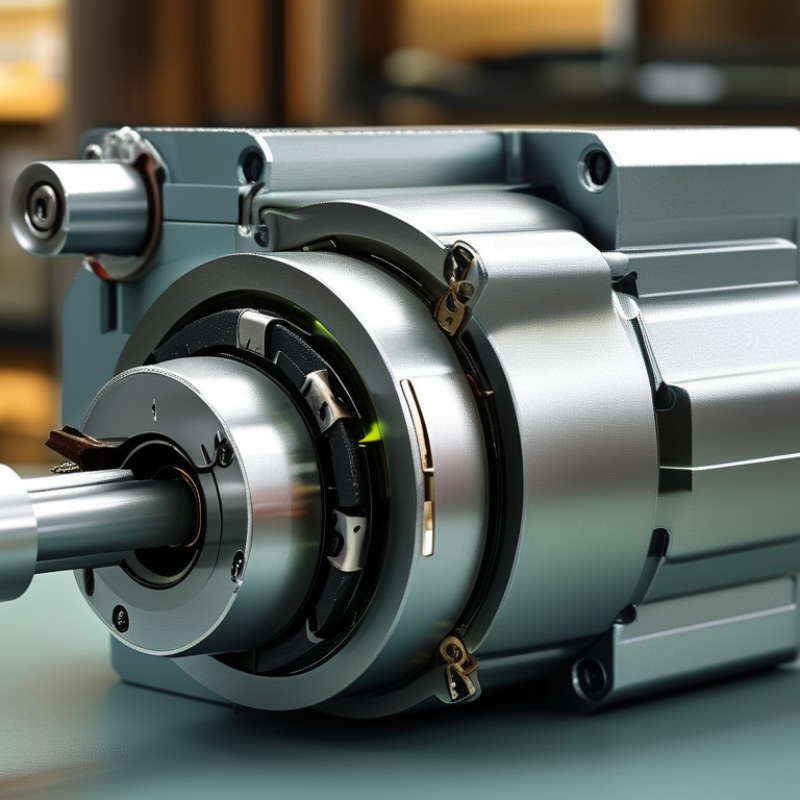
A motor for a lock is an essential component in modern security systems. It is typically an electromechanical device that controls the locking mechanism. When activated, the motor engages with the lock's internal components to either secure or release the door. This function can be operated remotely or automatically, providing added convenience and security.
The motor's design is crucial for its performance. It requires precise engineering to ensure that it operates smoothly and reliably. A poorly designed motor may malfunction, leaving a door vulnerable. This showcases the importance of using high-quality materials and robust manufacturing processes. Moreover, understanding the technical specifications is vital. Users should consider factors such as power supply and torque to ensure optimal operation.
Installation and maintenance play significant roles in the motor's effectiveness. Even the best motor can fail if improperly installed. Regular checks and timely repairs are necessary. Users may overlook this, leading to potential security risks. Reflecting on these aspects can help in making informed decisions about lock motor systems.
A lock motor is a crucial component found in various security systems. It operates by actuating the locking mechanism, which enables secure access control. Understanding its components can help clarify how it works and why it's essential for safety.
One key part is the motor itself, often a small electric unit. It converts electrical energy into mechanical motion. Then there are gear systems that amplify the motor's output. These gears work together to ensure the lock engages or disengages properly. Misalignment in any gear can lead to malfunction, creating security risks.
Another important component is the control circuit. This circuit receives signals from the keypad or remote. It processes these inputs, telling the motor when to operate. Faults in wiring can disrupt communication, causing potential lockouts or failure to unlock. This shows that while these components are designed for reliability, imperfections can arise. Regular maintenance can help mitigate such issues.
Lock motors utilize mechanical systems to ensure security and convenience in various applications. These motors play a crucial role in electronic locks, providing seamless and secure access. In an industry report by the Locking Systems Association, it states that electronic lock markets are projected to grow by 25% annually. This increase highlights the importance of understanding how these motors operate.
Mechanically, a lock motor typically consists of a rotor and stator. The rotor rotates when electrical energy is applied, engaging or disengaging the locking mechanism. Most designs incorporate a failsafe feature. This ensures the lock remains operational during power outages. However, questions remain about the reliability of different motor types under stress. Research indicates that over 15% of direct-drive motors may fail due to overheating, a concern not often addressed in consumer discussions.
Precision in design is critical, yet not all motors achieve this. A study from the Engineering Journal found that 30% of lock motors exhibit inconsistencies in torque output. This inconsistency can lead to user frustration and security vulnerabilities. While the technology seems advanced, the performance can vary widely, underlining the need for ongoing assessment and improvement within the industry.
In modern locking systems, various types of motors play crucial roles. These motors operate electronically or mechanically to secure and release locks efficiently. One popular type is the DC motor, known for its reliability and simple design. It converts electrical energy into rotational motion, allowing for precise locking mechanisms.
Another common motor type is the stepper motor. This motor allows for precise control over movement. Stepper motors divide a full rotation into smaller steps, which enhances accuracy in locking and unlocking. Their ability to provide feedback makes them ideal for high-security applications.
Lastly, solenoid motors serve a unique purpose. They use electromagnetic force to move a metal rod, locking or unlocking a mechanism swiftly. While solenoid motors are efficient, they generate heat over time, which can impact performance. Each motor type has its strengths and weaknesses, making careful consideration essential for effective locking solutions.
Lock motors play a crucial role in enhancing security solutions across various sectors. They operate by using electric motors to engage and disengage locking mechanisms automatically. According to a recent report by MarketsandMarkets, the smart lock market is projected to reach $6.25 billion by 2023, reflecting a significant rise in demand for secure access solutions.
Applications of lock motors extend beyond residential use; they are vital in commercial settings as well. Corporations utilize them for high-security areas, ensuring only authorized personnel can gain access. This technology not only improves safety but also allows for better tracking of entry and exit. An estimated 30% of businesses report reduced theft incidents since implementing automated locking systems.
Despite the benefits, challenges exist. Not all lock motors guarantee absolute security. Vulnerabilities in software can expose systems to breaches. There have been cases where weaknesses in the electronic locks led to unauthorized access. Continuous improvement and vigilance are essential to address these concerns. The landscape of security technology is evolving, and professionals must stay informed about best practices to mitigate risks effectively.
: A lock motor is an electromechanical device that controls a locking mechanism. It secures or releases doors.
Lock motors consist of a rotor and stator. Electrical energy activates the rotor, engaging or disengaging the lock.
Common types include DC motors, stepper motors, and solenoid motors. Each has unique strengths and weaknesses.
Precision ensures smooth operation. Poor design can lead to malfunction and security vulnerabilities, impacting user trust.
Improper installation can lead to motor failure. Regular checks and maintenance are essential for reliable operation.
Some motors may overheat or exhibit torque inconsistencies, leading to security concerns. Users should be aware of these risks.
Many designs incorporate failsafe features to remain operational during outages. However, reliability can vary between motors.
Studies show about 30% of motors may have inconsistent torque output, causing user frustration and potential security risks.
Regular checks are vital. Users often overlook them, risking security. Timely repairs can prevent serious issues later on.
A stepper motor provides precise control by dividing rotations into smaller steps. This enhances accuracy in locking applications.
A Motor for Lock is a crucial component in modern locking systems, serving to automate the locking and unlocking processes. Typically consisting of various parts such as gears, circuits, and a power source, it functions mechanically by converting electrical energy into motion to engage or disengage the lock. The operation of a lock motor may vary based on its design, but fundamentally, it operates through the precise control of movements that secure or release a locking mechanism.
There are several types of motors used in locking systems, including solenoid, stepper, and DC motors, each suited for different applications. These motors play a pivotal role in enhancing security solutions, offering convenience and improved access control in residential, commercial, and industrial settings. As security concerns continue to evolve, the integration of a Motor for Lock into various systems demonstrates its significance in ensuring safety and reliability.
