Strata Motor
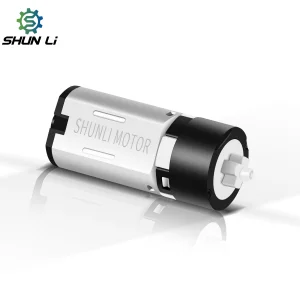
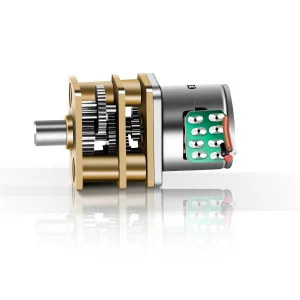
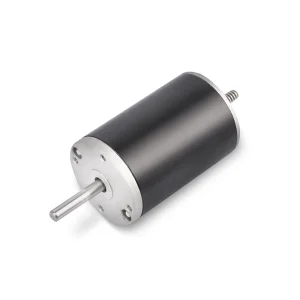
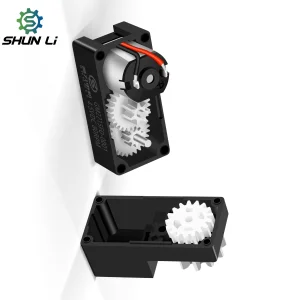
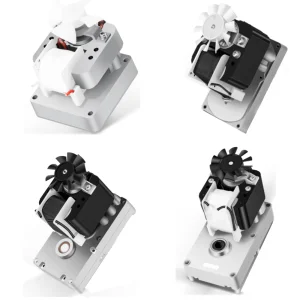
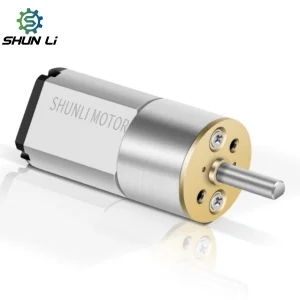
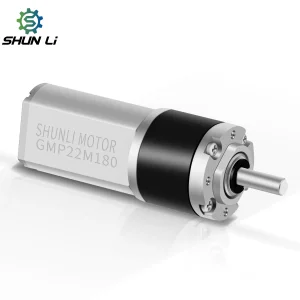
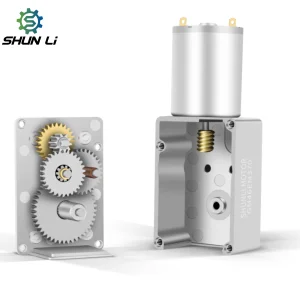
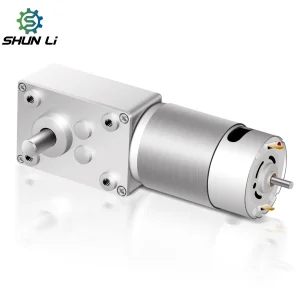
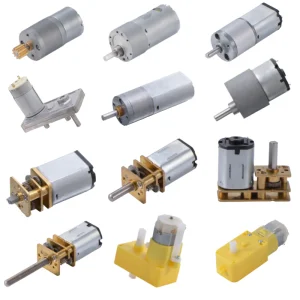
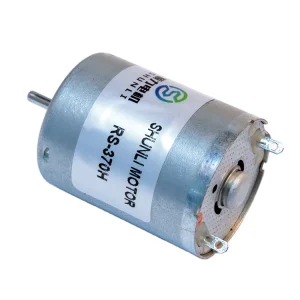
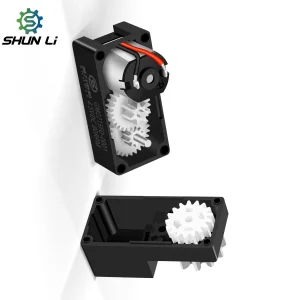
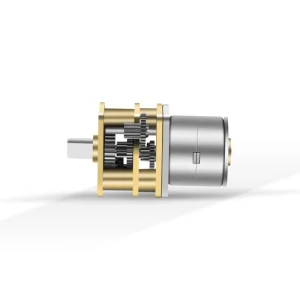
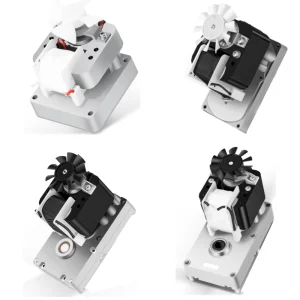
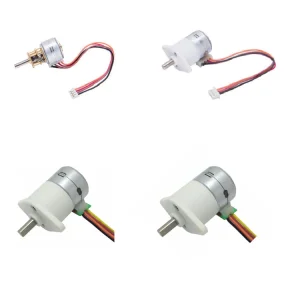
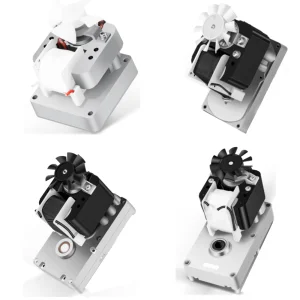
Start with proven building blocks: planetary BLDC gearmotors, vibration stepper motors, high-torque brushed DC drives, smart-lock gearmotors, shaded-pole AC motors, gas-valve reducers, worm gearboxes, and compact smart-home drive platforms. Each listed product is a customizable reference point for OEM programs; final specifications should be confirmed against your duty cycle, voltage, PWM controller, acoustic target, and lifetime requirement.
Tired of trading company markups, communication gaps, and inconsistent batch quality in your motion control supply chain? Strata Motor is the transparent, direct-from-source China factory you’ve been looking for. We engineer and manufacture world-class precision micro drives directly from our manufacturing floors to your global assembly lines under strict, repeatable quality control.
The Strata Motor model is built on direct engineering communication, repeatable process control, and evidence-based customization. A PWM-controlled motor is only as reliable as the mechanical, electrical, and quality system behind it. Wholesale buyers comparing China PWM motor factories should look beyond unit price. Ask how the supplier controls winding tension, commutator wear, bearing alignment, gearbox backlash, no-load current, stall torque, and acoustic signature. Ask whether custom shafts, encoders, connectors, gear ratios, and mounting interfaces are developed with manufacturing constraints visible from day one. That is the practical meaning of information gain for procurement teams: clear process evidence, transparent testing logic, and a documented path from prototype to stable mass production.
Deep industry heritage since 2006, ensuring stable automated production lines and long-term supply security.
Every single motor is subjected to automated dynamic balancing and acoustic tests under real industrial loads before leaving our dock.
We don't shrink away from non-standard blueprints. We rapidly customize custom shafts, integrated encoders, and specialized gearheads to fit your device housing perfectly.
Our state-of-the-art ecology runs fully compliant with international ISO9001, CE, RoHS, and REACH safety standards.
PWM—pulse-width modulation—is a control method that switches a motor supply on and off at high frequency to regulate average voltage, speed, and torque. It is widely used in DC and BLDC motor systems because it supports smooth speed control, efficient torque management, compact driver design, and programmable motion profiles.
In commercial and industrial equipment, the motor is rarely a standalone commodity. A wholesale PWM motor program usually combines a brush or brushless DC motor, planetary or worm gearbox, encoder, integrated or external driver, wiring harness, connector, and mechanical interface. The purchasing decision therefore belongs to engineering, quality, and supply-chain teams at the same time. Semantic search intent for “China wholesale PWM motor factory” is not limited to price comparison; it signals a buyer looking for controlled customization, low-noise operation, torque consistency, and reliable batch delivery.
Across North America, Europe, and Asia-Pacific, OEMs are increasing their use of compact PWM-controlled drives in automation, robotics, smart buildings, medical devices, automotive actuators, vending systems, HVAC equipment, and appliance platforms. The strongest demand comes from applications where space is tight, energy efficiency matters, and the motor must operate repeatedly without acoustic annoyance or torque drift. Buyers want a supplier who can translate an application brief into a validated motor-and-gearbox subsystem, not simply ship a catalog part.
This is why experienced procurement teams evaluate a China PWM motor supplier through both commercial and technical lenses. They ask for torque-speed curves, no-load current, stall torque, gearbox backlash, insulation class, bearing type, life-test assumptions, and acoustic data. They also check whether the factory can maintain the same critical-to-quality parameters from prototype to mass production. In a market where lead times and engineering bandwidth are competitive advantages, a factory with in-house tooling, winding, assembly, and testing can reduce iteration cycles while keeping risk visible.
PWM-controlled BLDC and brushed DC motors support precise speed regulation, high torque density, and repeatable motion in compact robotic joints, grippers, dispensers, and conveyor modules.
Smart locks, cameras, blinds, fans, and access-control mechanisms demand low standby loss, quiet operation, stable low-speed torque, and compact gearmotor integration.
Blood-pressure meters, pumps, personal-care devices, and compact wellness products require repeatable speed, controlled acoustics, and documented quality control.
Gas valves, wipers, agitators, and auxiliary actuators rely on PWM-compatible motors with predictable starting torque, durable brushes or brushless construction, and environmental resilience.
Vending machines, lockers, payment systems, and dispensing modules need anti-jam torque, stable gearbox performance, and long cycle life in high-frequency public use.
Grill machines, ovens, fans, blowers, and small appliances use shaded-pole AC motors and DC gearmotors where thermal robustness and cost-efficient assembly matter.
China’s motor manufacturing advantage is not simply a labor-cost story. It is a combined value system of component clusters, tooling depth, automated production, fast engineering iteration, and mature export logistics.
In mature micro-motor manufacturing regions, suppliers can source laminations, magnets, bearings, brushes, wire, gears, connectors, shafts, plastics, and packaging within a short radius. This ecosystem shortens tooling cycles, improves second-source flexibility, and lets a factory respond quickly when an OEM asks for a custom shaft, a new gear ratio, an integrated encoder, or a different connector. For PWM motor programs, those details often decide whether a prototype fits the housing on the first attempt.
However, efficiency only becomes valuable when it is controlled. A wholesale buyer should verify how the factory manages incoming materials, winding tension, soldering quality, shaft alignment, gearbox assembly, lubrication, end-of-line testing, packing, and storage. Strata Motor’s direct-from-source model keeps those process steps visible to customers. The goal is not to promise a perfect motor in every extreme condition; the goal is to define the application, test against it, and deliver repeatable performance with a clear quality record.
For global OEMs, the most reliable China PWM motor supplier behaves like an extension of the engineering team. It asks the right questions, proposes practical customization options, documents assumptions, and supports sample validation before mass production. That combination of factory efficiency and engineering rigor is the real competitive advantage in wholesale motion-control sourcing.
Access to specialized material, gear, magnet, bearing, connector, and tooling suppliers helps shorten development and procurement cycles.
Custom shafts, gearheads, housings, and mounting interfaces can be refined quickly when design and manufacturing data remain in one communication loop.
Consistent winding, soldering, riveting, pressing, and assembly reduce batch variation in torque, current draw, noise, and service life.
Dynamometers, noise chambers, environmental chambers, hardness testers, microscopes, and oscilloscopes provide measurable evidence for design and quality decisions.
Prototype requests are evaluated against tooling capability, gearbox constraints, controller compatibility, and assembly tolerance before release.
ISO9001, CE, RoHS, and REACH alignment supports buyers who need consistent documentation for international assembly and distribution.
Different markets localize the same motor platform in different ways. North American appliance and security brands often prioritize certification readiness and long-term supply; European smart-building OEMs emphasize efficiency, acoustics, and documentation; Asia-Pacific vending, robotics, and consumer-device makers move quickly on customization and volume ramp.
Mini DC gearmotors at 3V, 4.5V, 6V, 10V, or 12V can support lock mechanisms where low RPM, compact size, and stable torque are critical. Buyers should validate cycle life, stall protection, noise, and battery efficiency.
Micro worm gear motors and stepper gearmotors are used for product dispensing, lockers, and payment modules. Anti-jam torque, gearbox durability, and consistent starting behavior are practical selection criteria.
13mm reduction gearbox motors and shaded-pole AC motors serve gas-valve, grill, oven, and appliance applications where voltage options, thermal exposure, and mechanical fit vary by region.
High-speed DC motors and compact stepper motors can support pumps, meters, and personal diagnostic devices. Repeatability, acoustic behavior, and lot-to-lot consistency deserve early validation.
High-torque low-RPM brushless gearmotors, planetary gearboxes, and compact DC drives support hobby robotics, RC models, and educational platforms that need responsive PWM speed control.
High-torque brush DC motors at 12V or 24V with 1000 RPM-class performance can serve agitators, wipers, fans, and compact mechanical assemblies with PWM-compatible control.
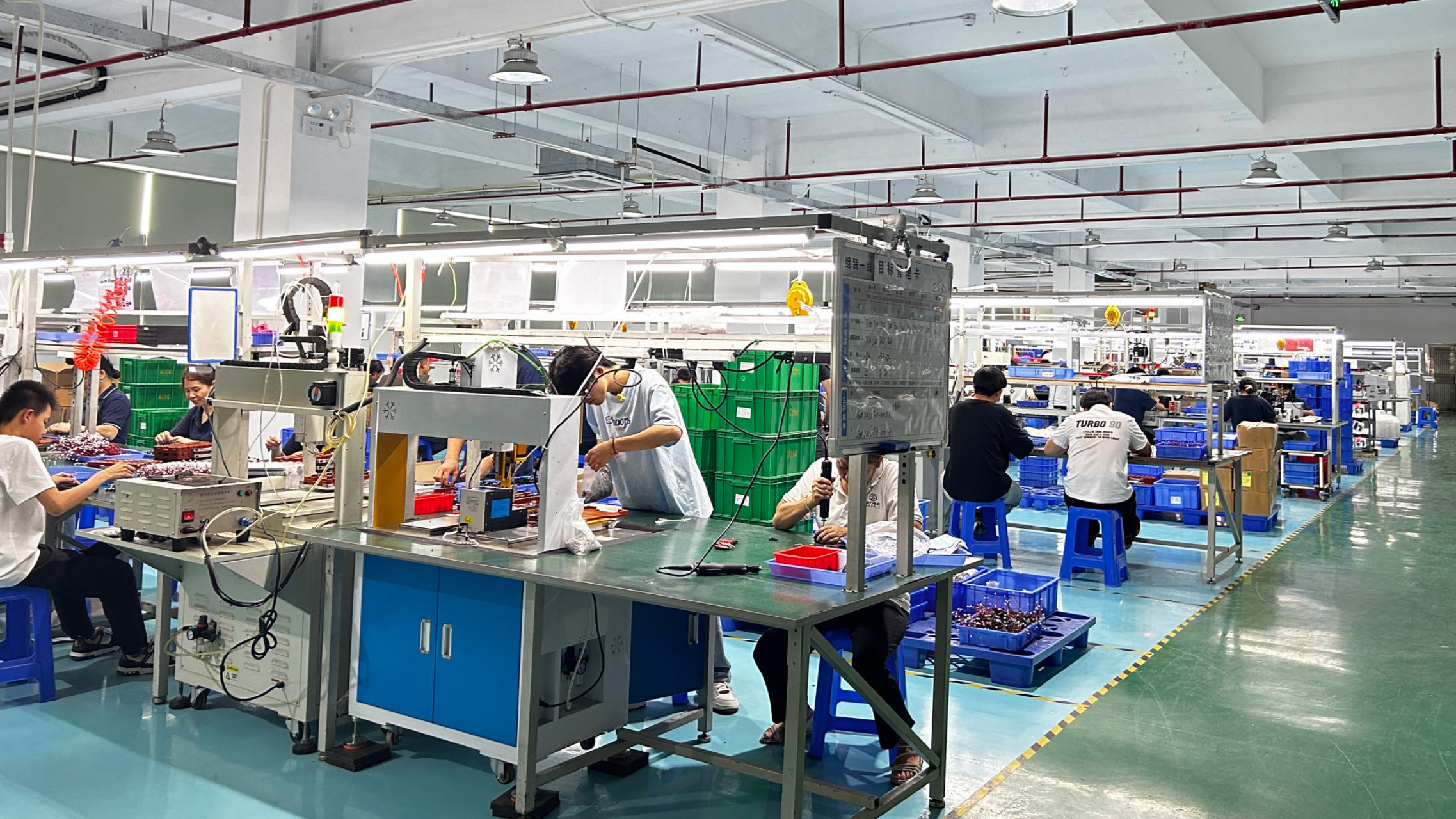
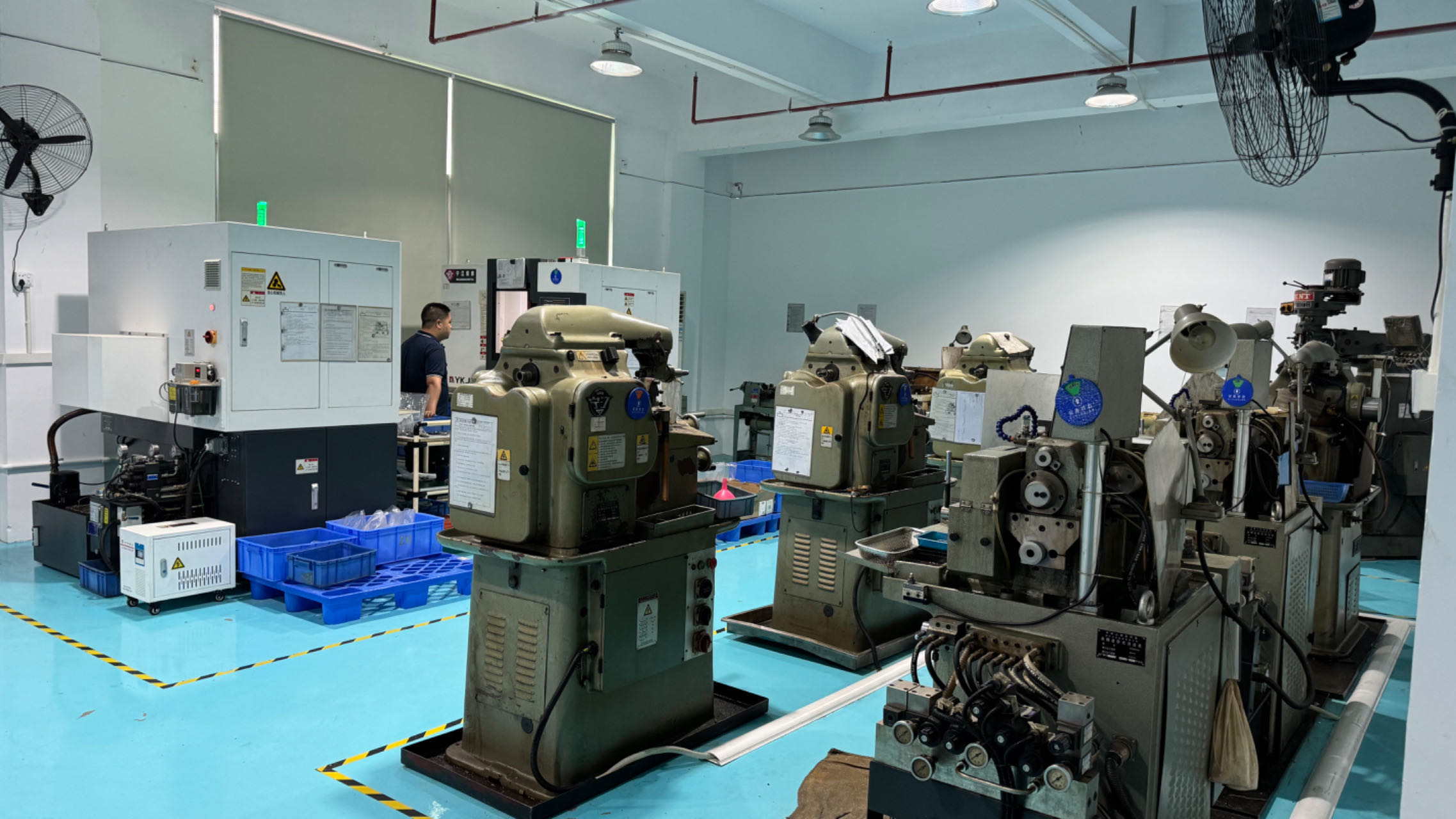
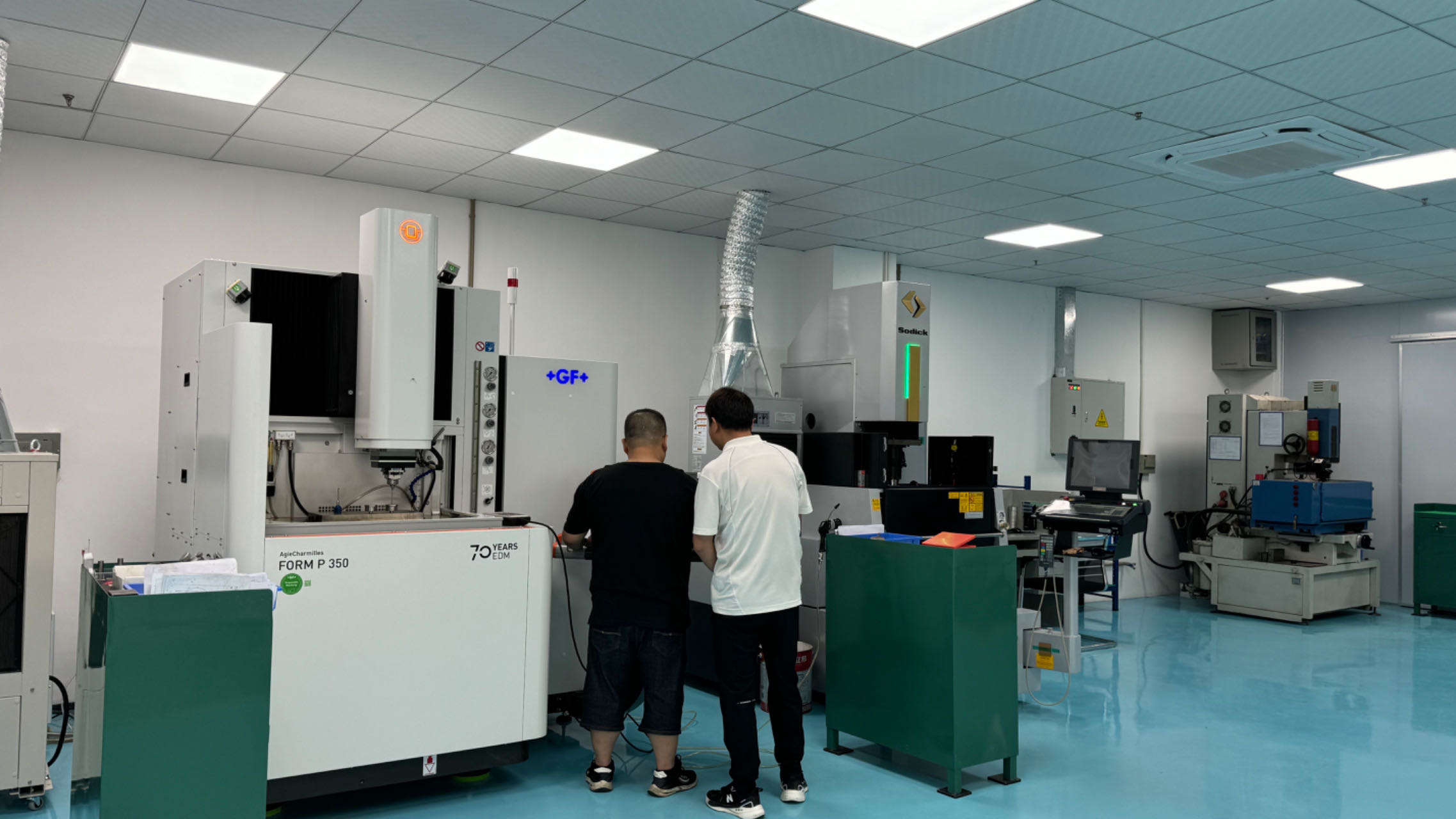
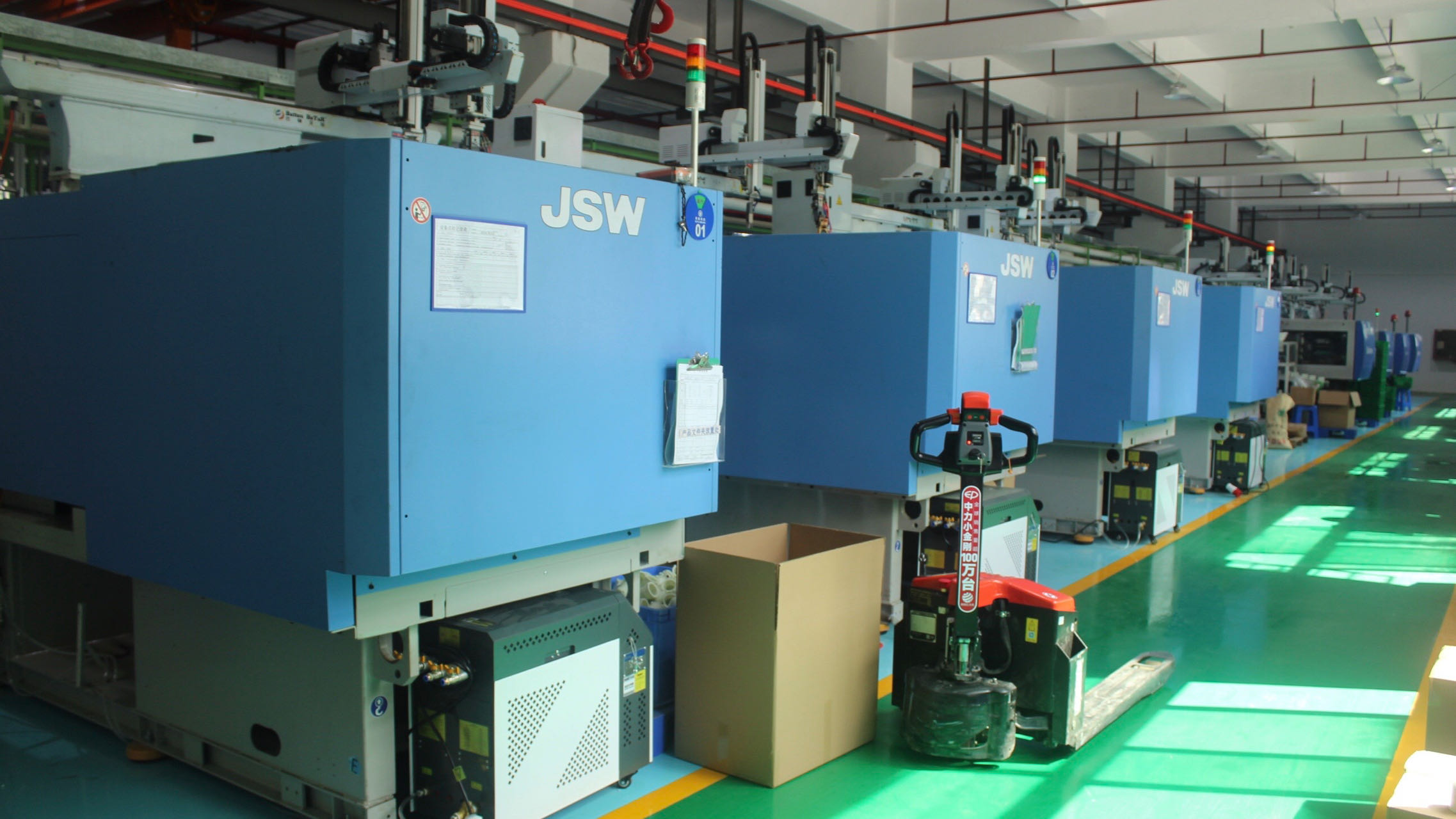
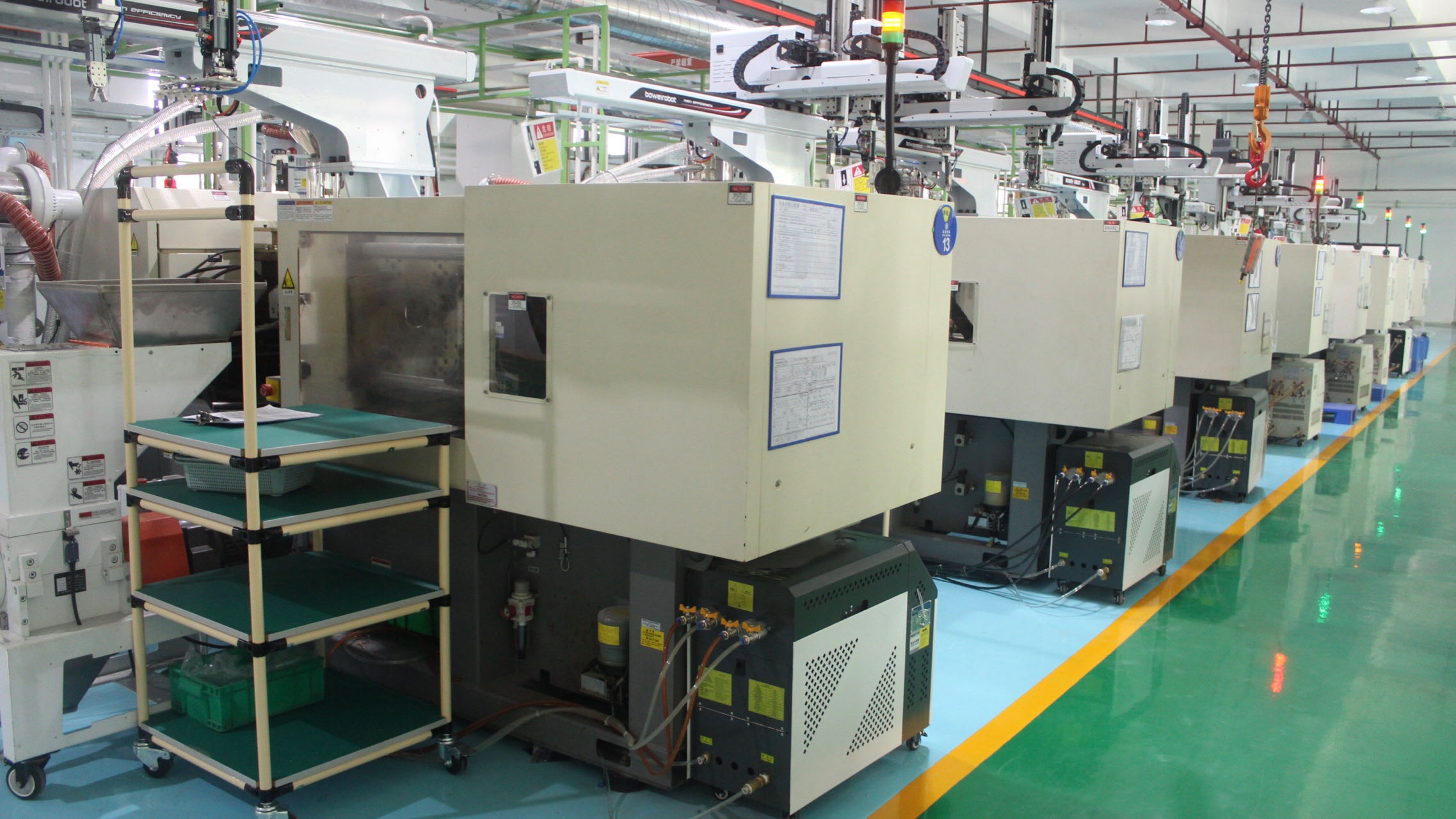
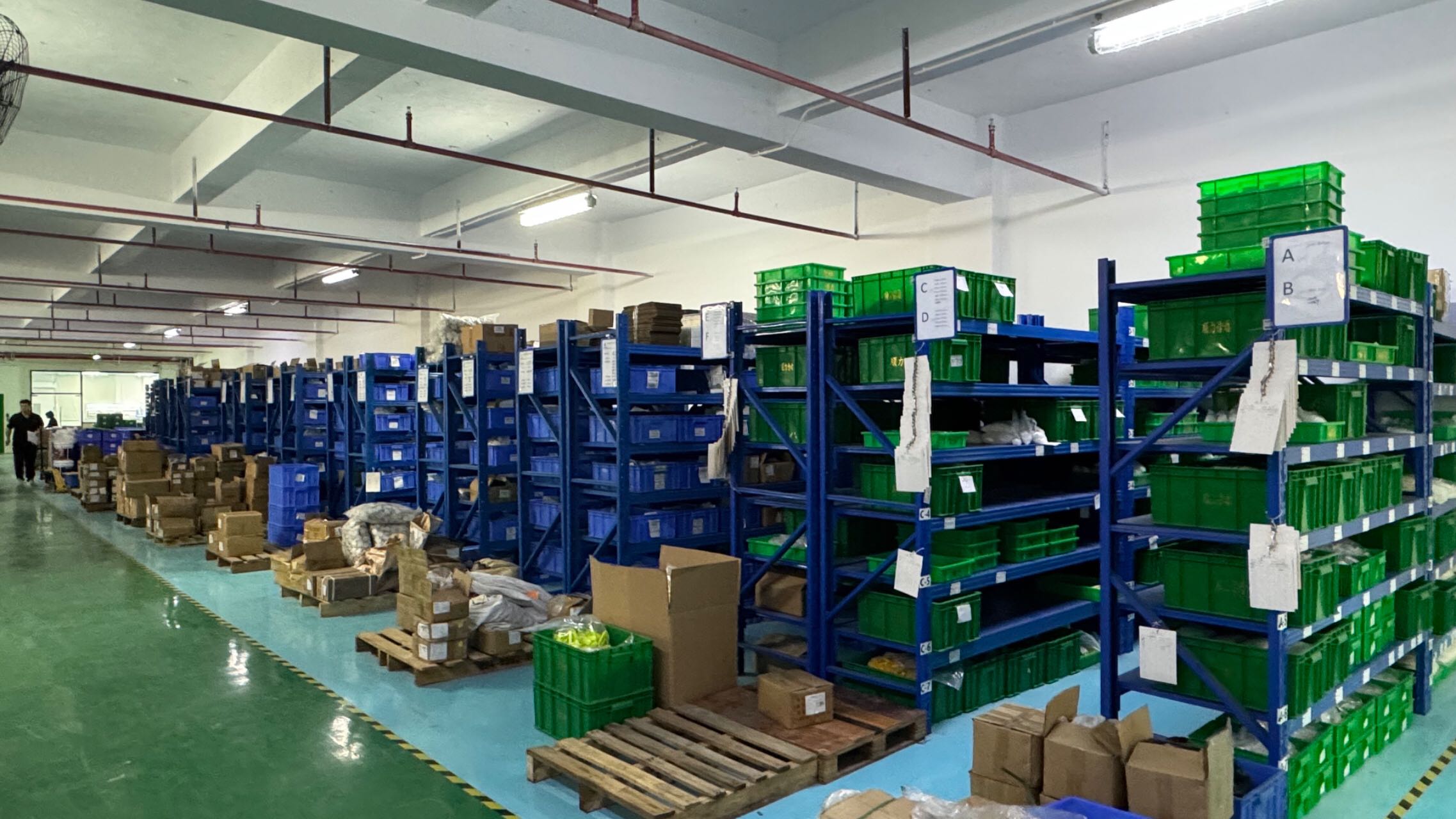
Manufacturing evidence is a credibility asset. The following factory images document material preparation, soldering, assembly, testing, packing, storage, machining, injection, winding, design, environmental testing, and metrology resources.
The presence of design support, hobbing, lathing, milling, drying, riveting, pressing, winding, injection, EDM, wire-cutting, glue dispensing, environmental chambers, noise testing, salt-spray testing, dynamometers, hardness testers, video measurement, aging shelves, motor test benches, microscopes, oscilloscopes, soundproof rooms, and magnetic-powder testing equipment shows that customization is not blindly outsourced. It also gives buyers a practical audit path: request critical-to-quality parameters, test methods, calibration records, sample validation results, and packaging requirements. For a wholesale PWM motor program, that evidence trail is part of the product.
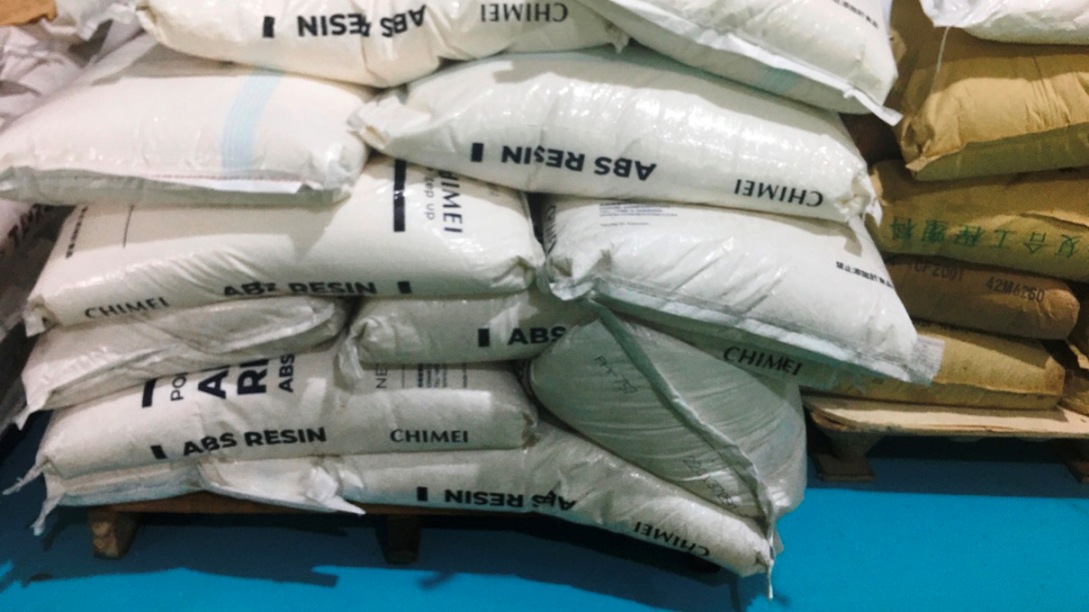
Raw Material
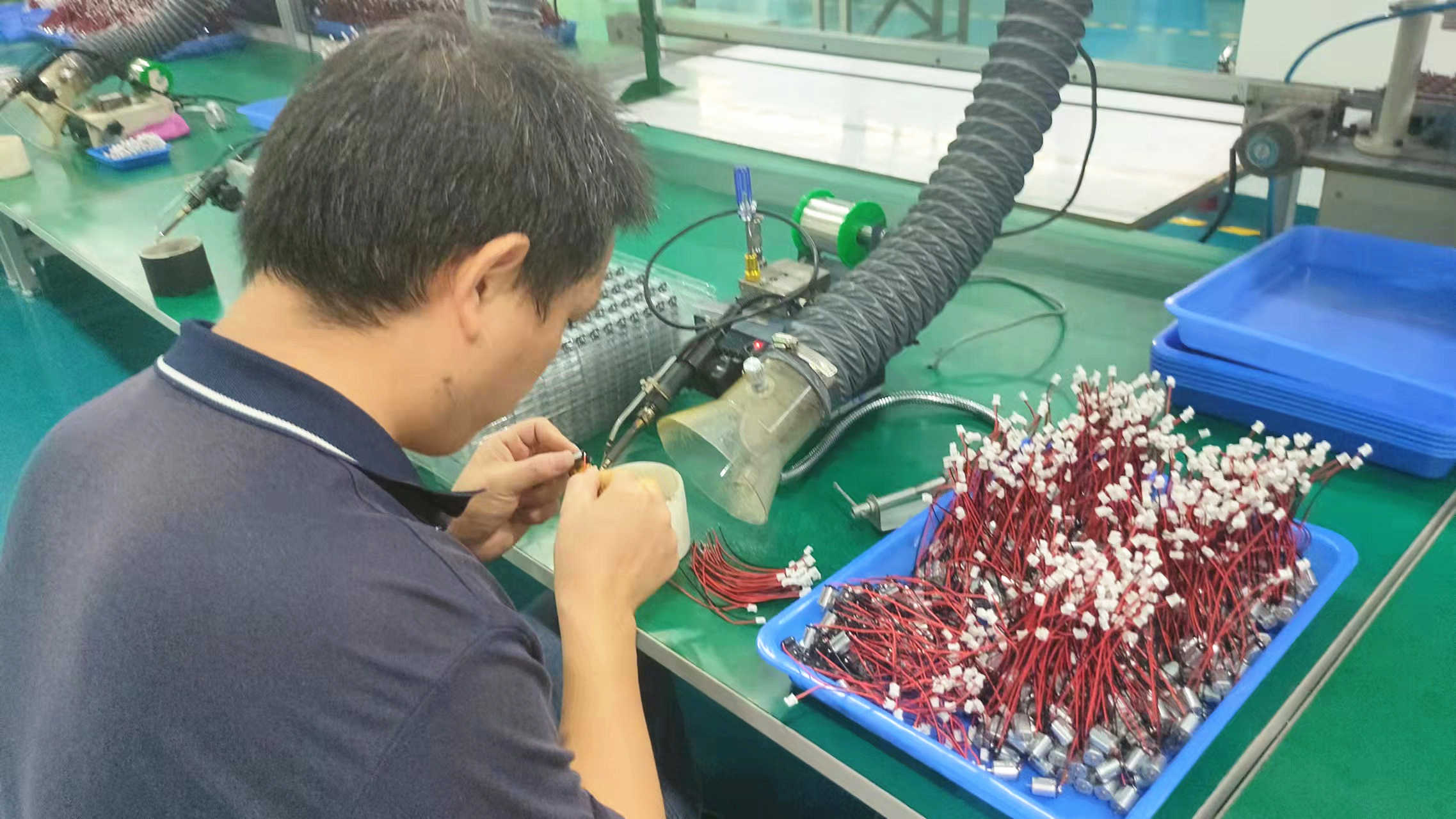
Soldering
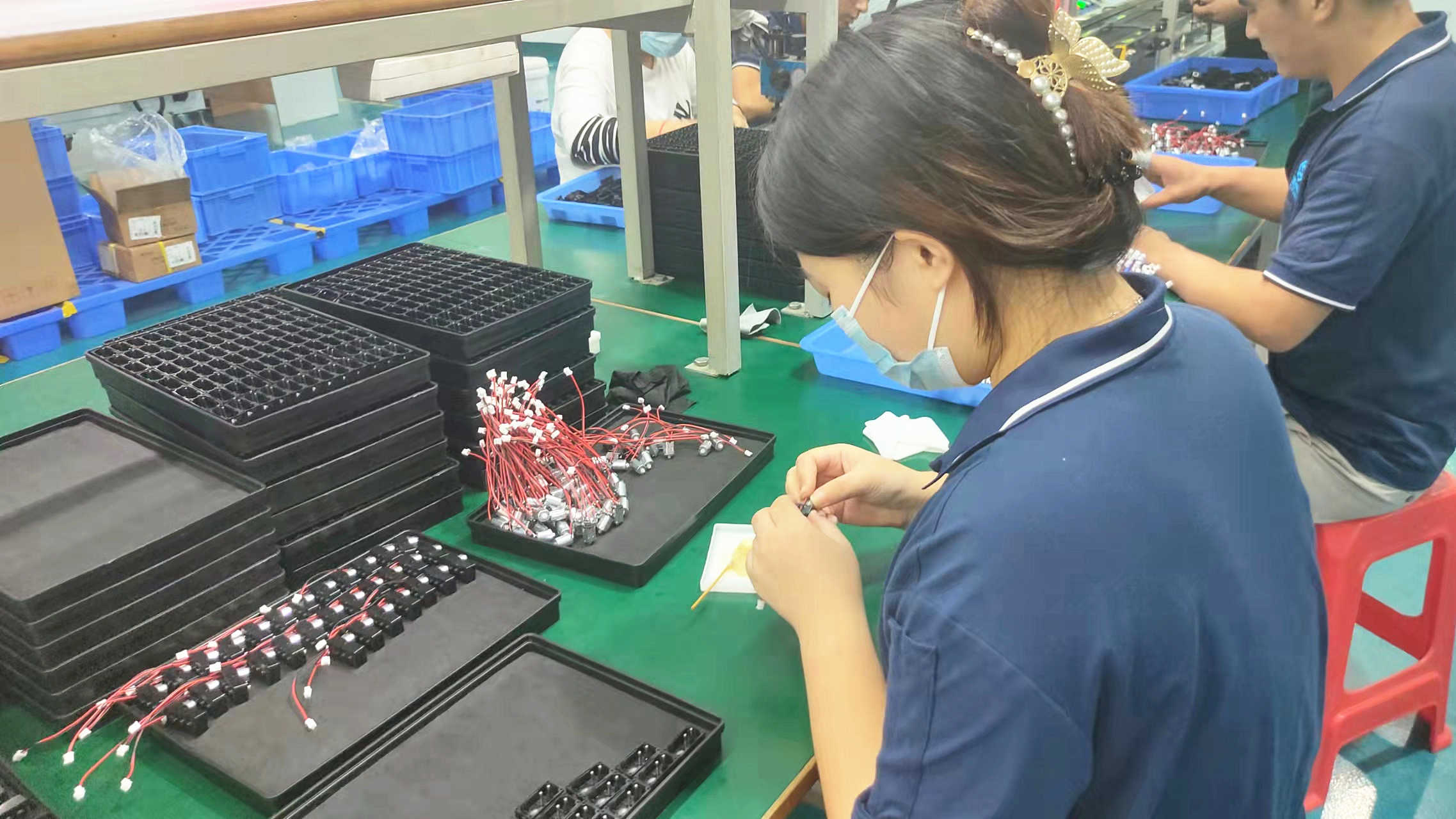
Assembling
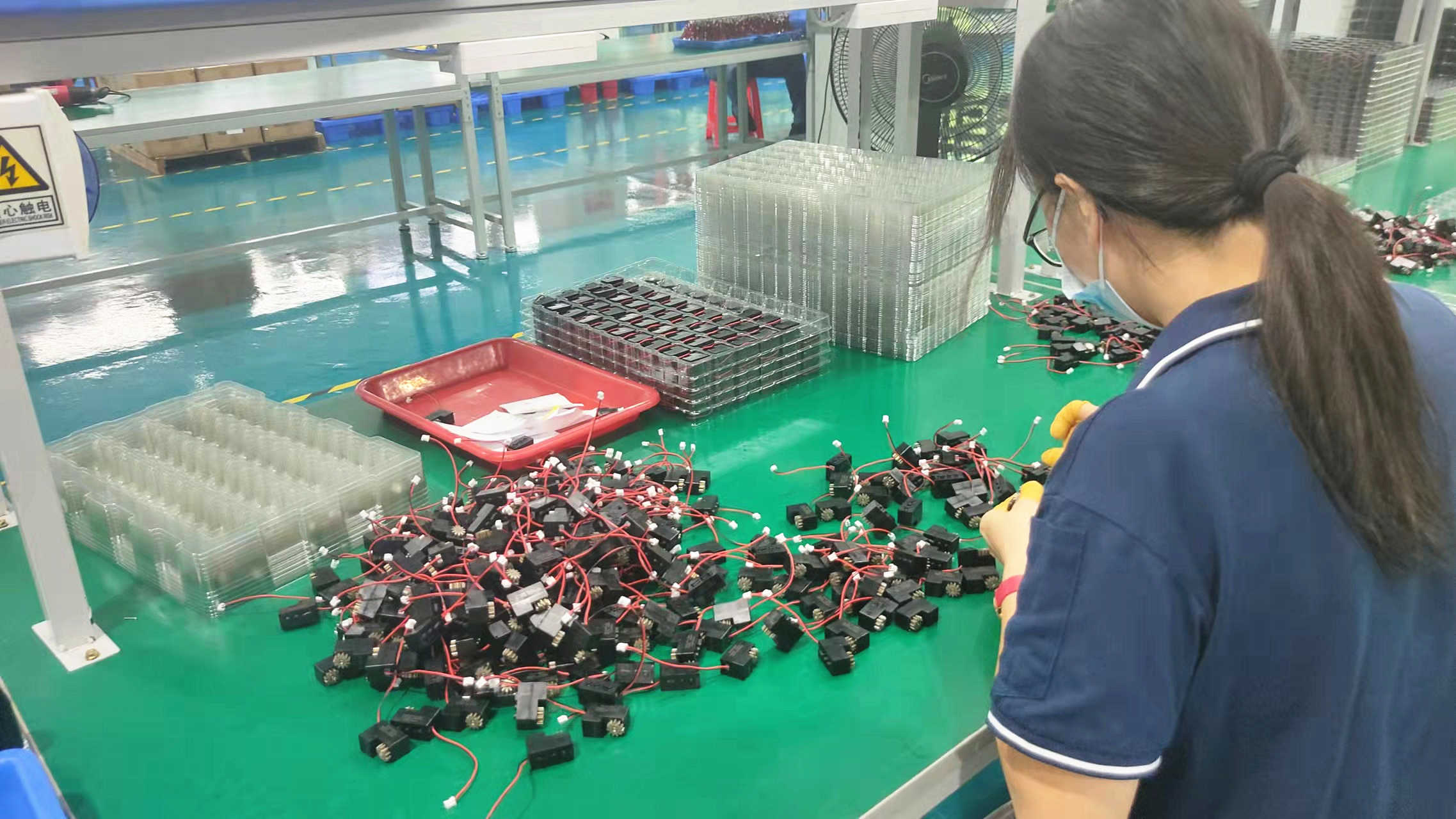
Testing
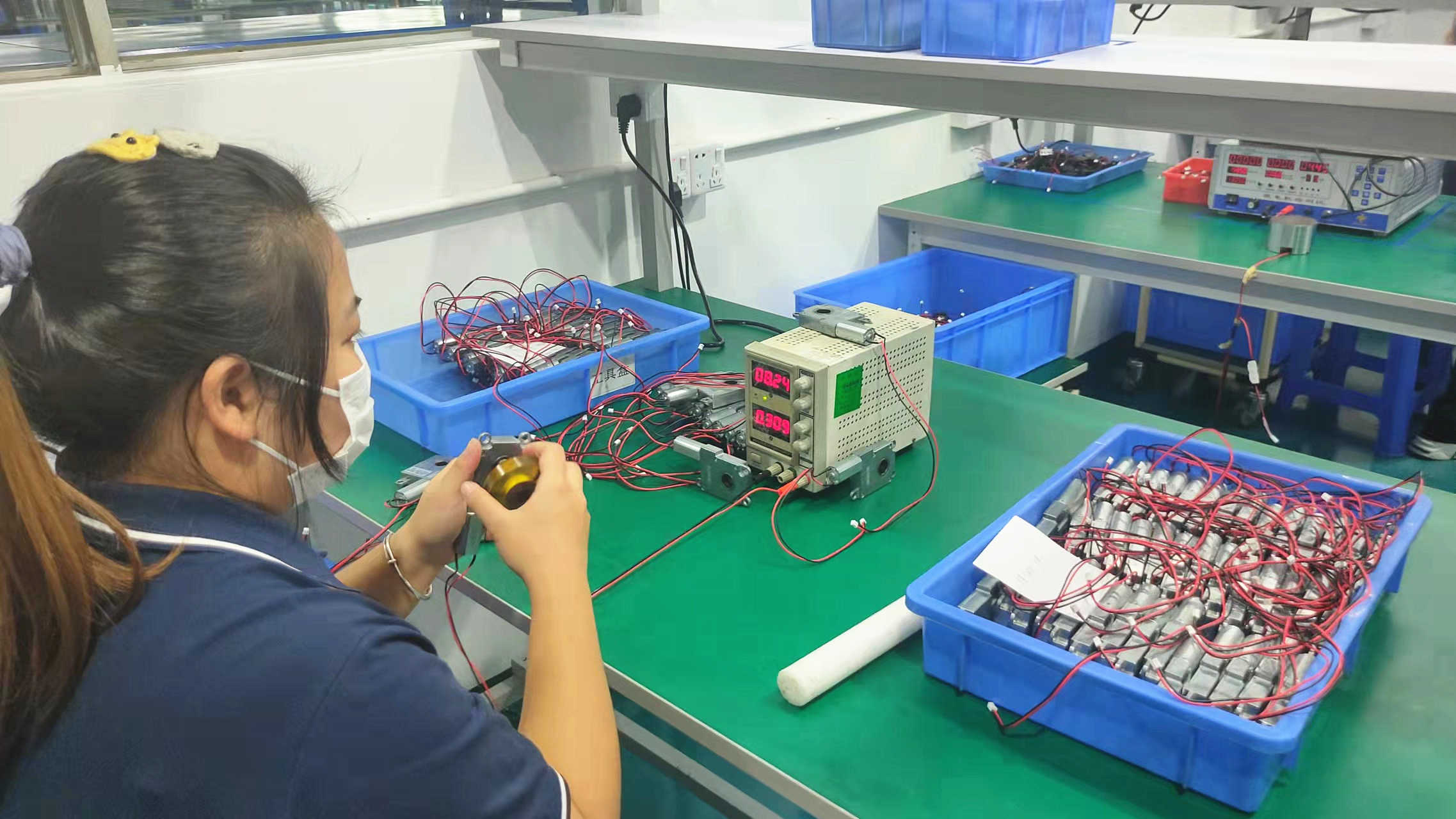
Packing
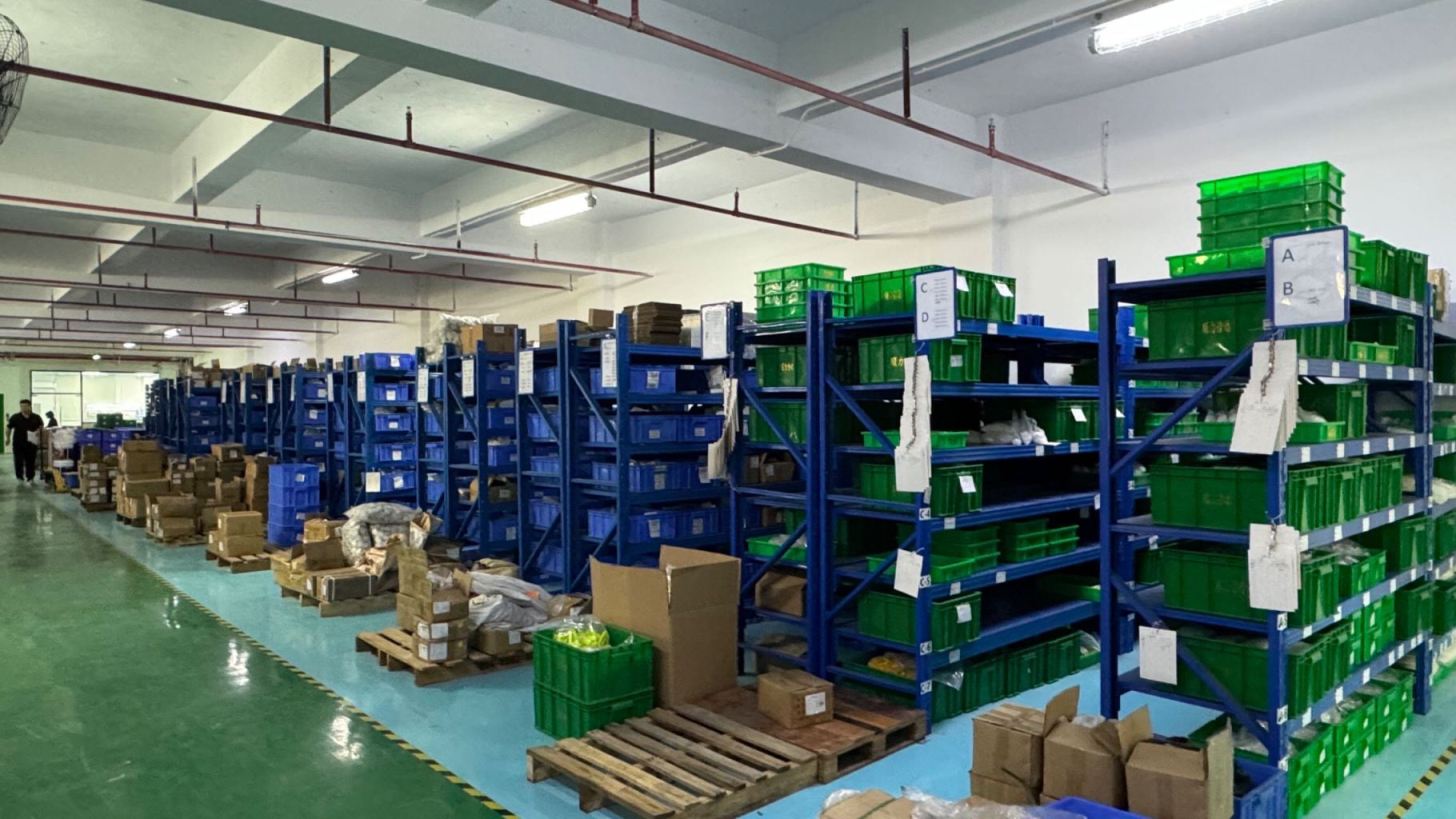
Storage
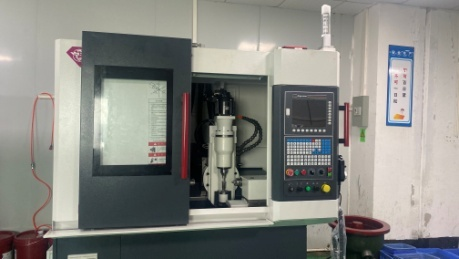
NINGJIANG MACHINE TOOL
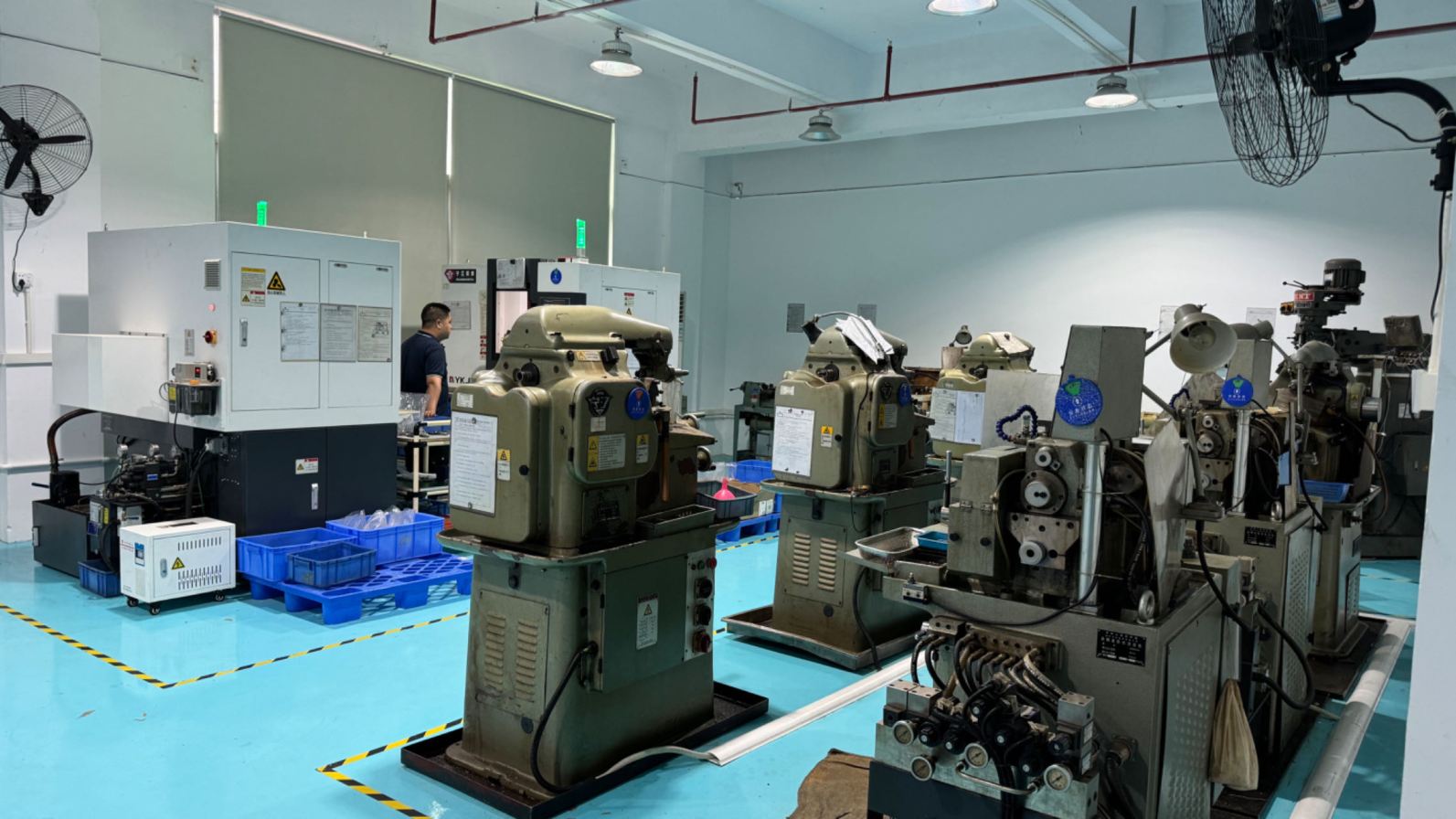
High Precision Horizontal Gear Hobbing Machine
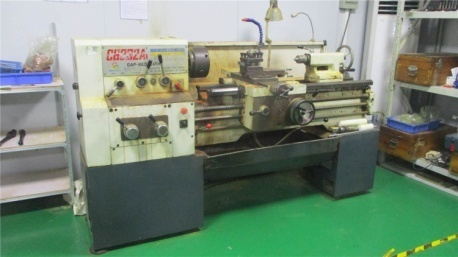
Lathing Machine
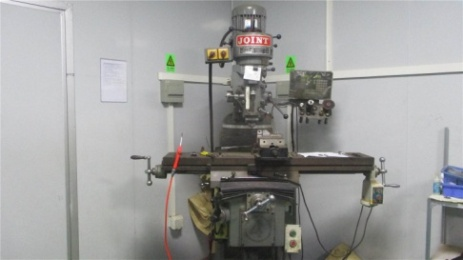
Milling Machine
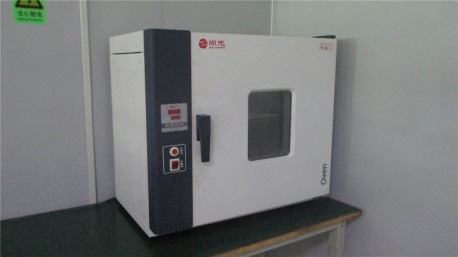
Drying Oven
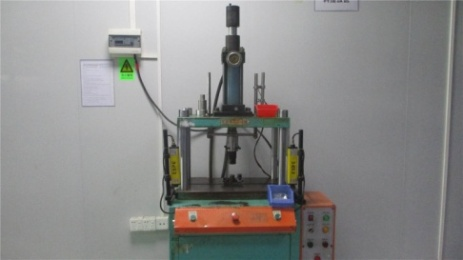
Automatic Gear Riveting Machine
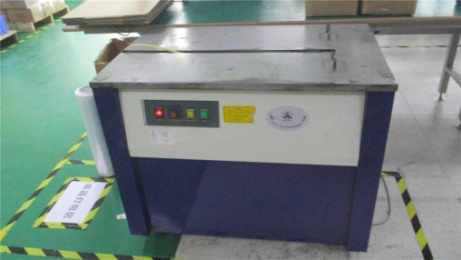
Packing Machine
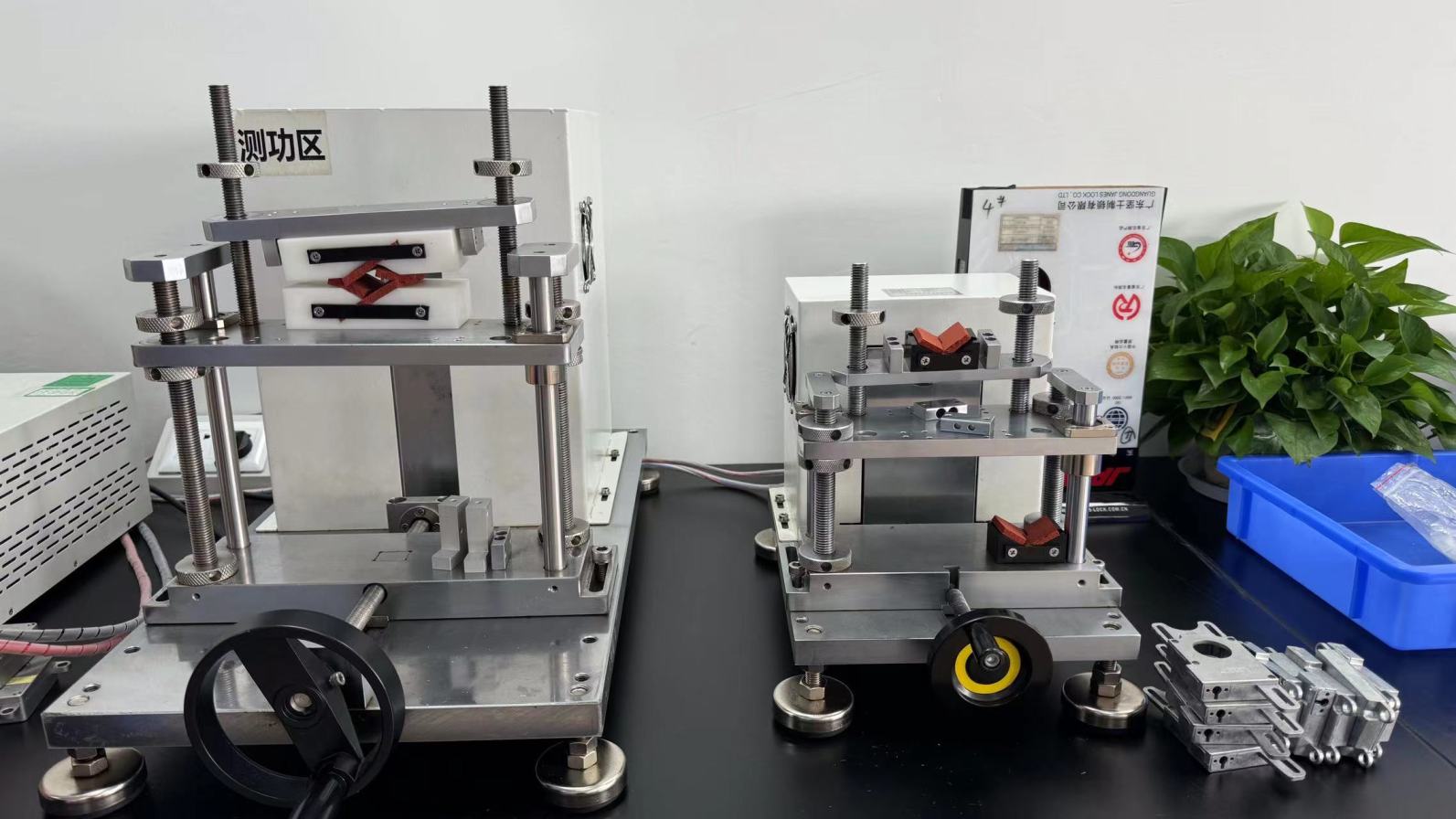
Pneumatic Pressing Machine
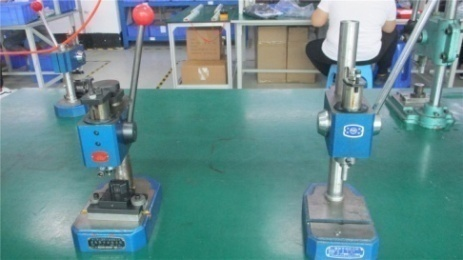
Manual Pressing Machine
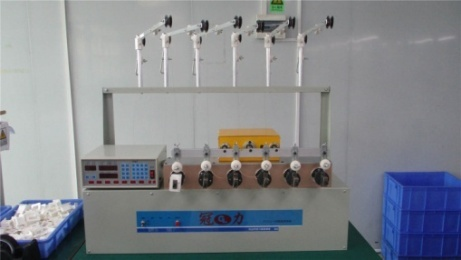
Computer Wire Winding Machine
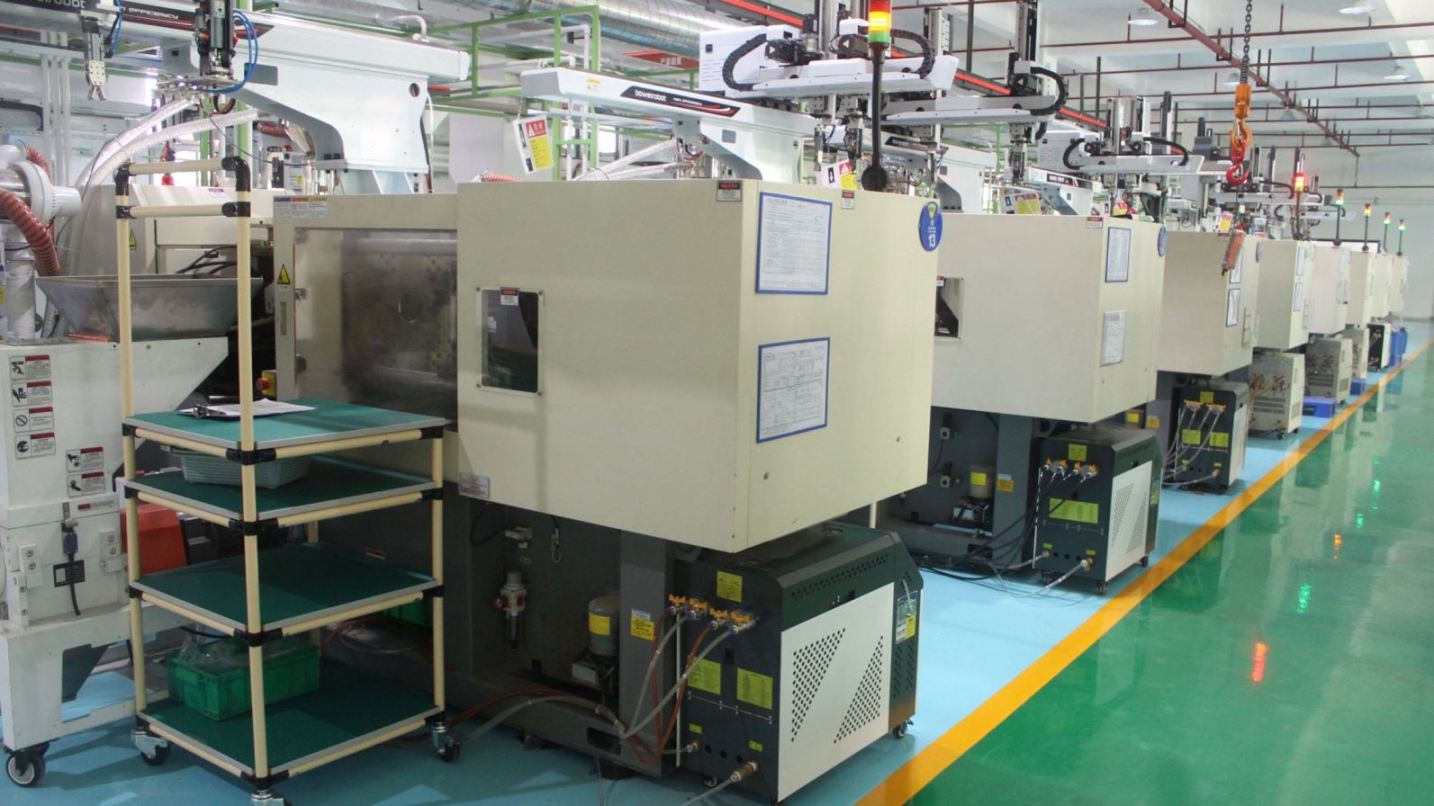
Injection Machine
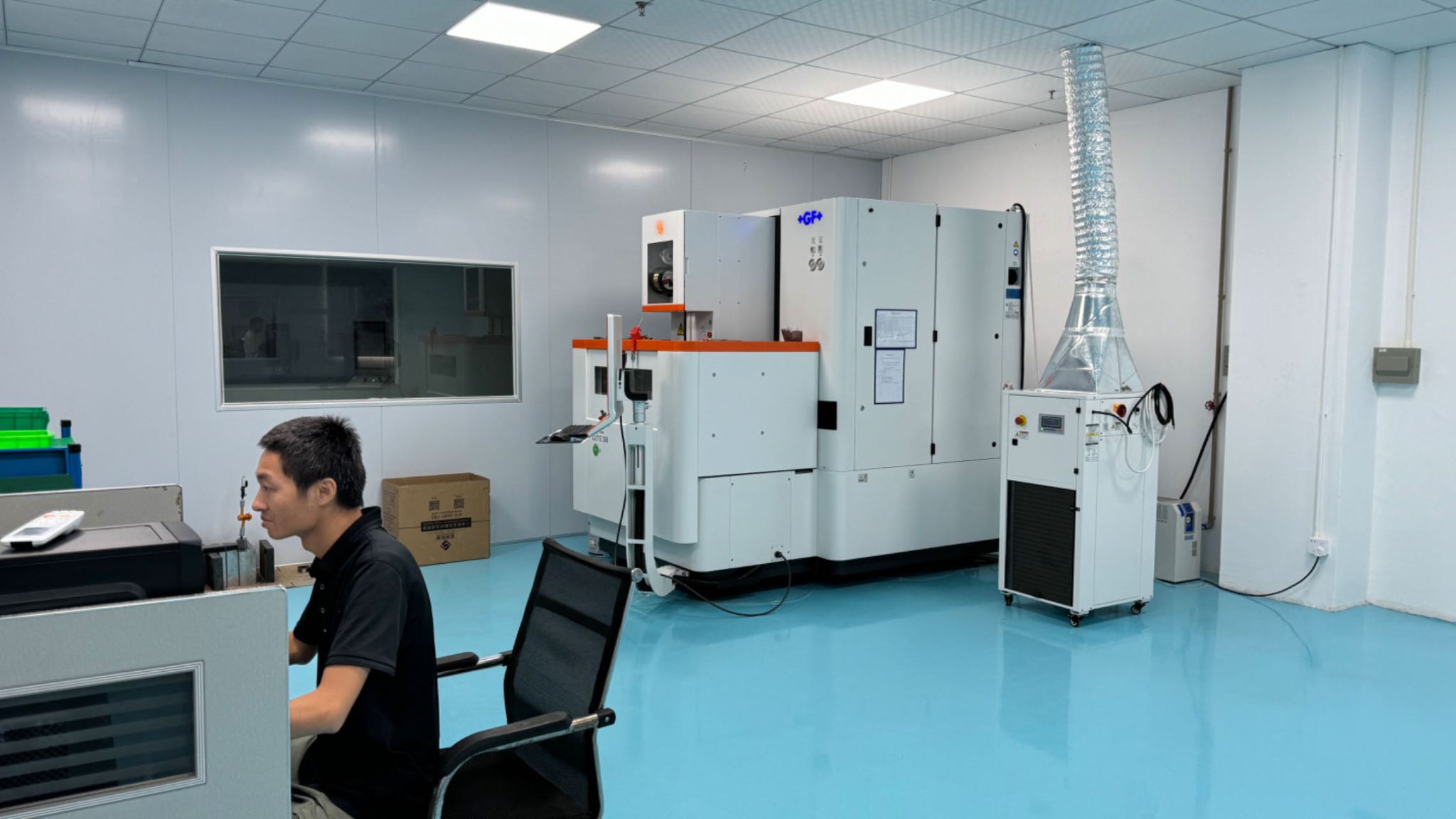
Slow-feeding NC wire-cut machine
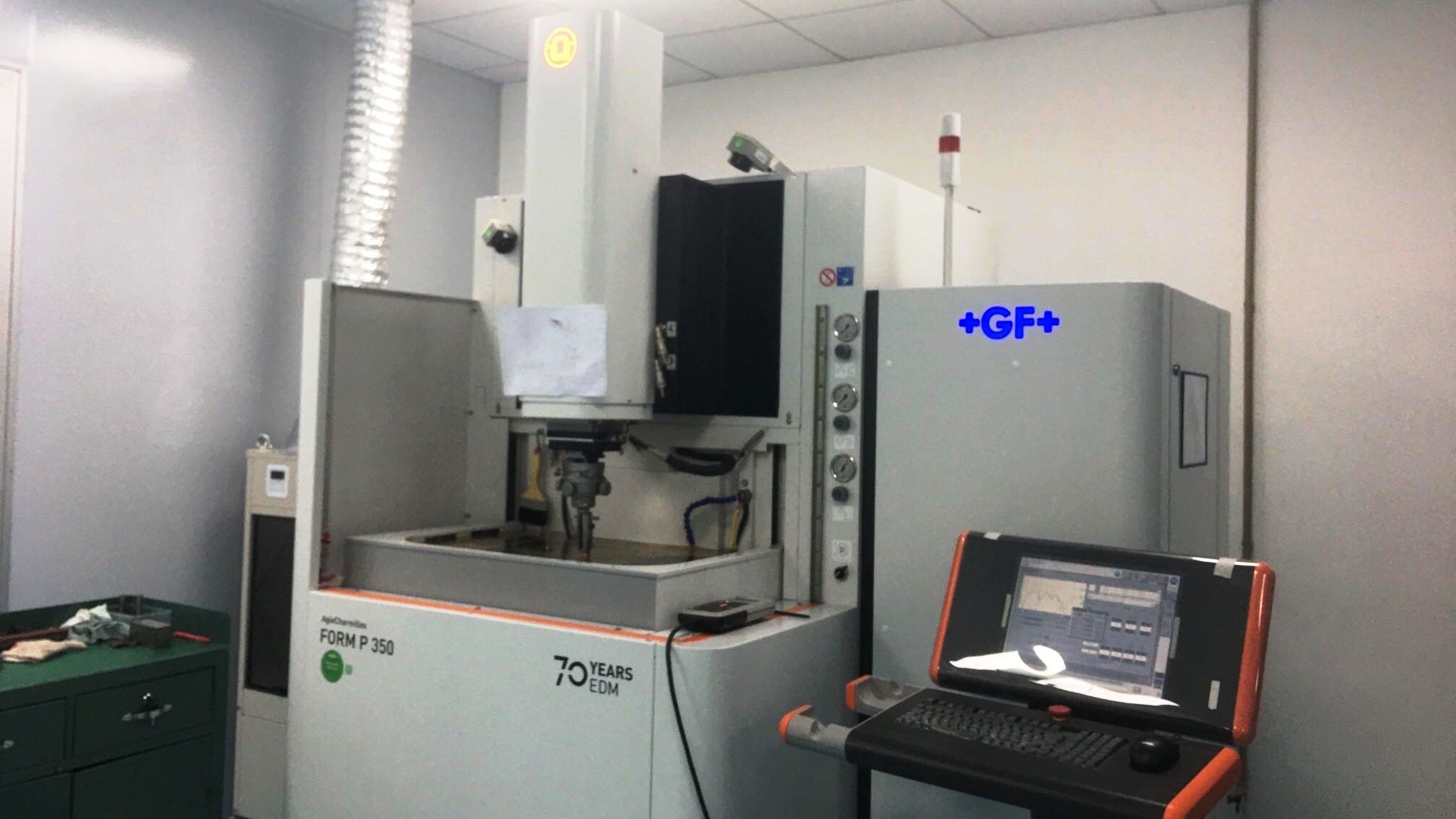
EDM
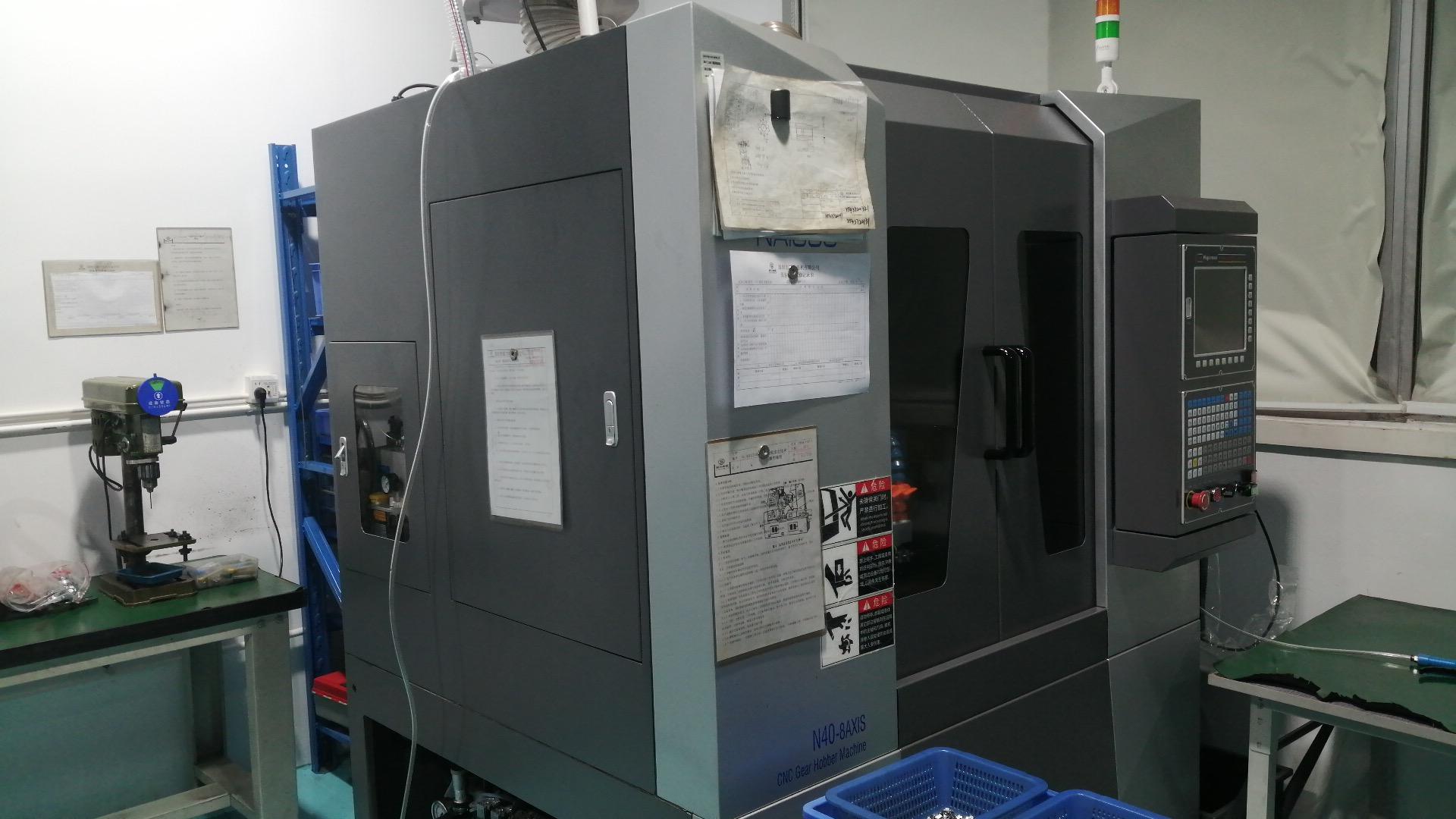
Hobbing Machine
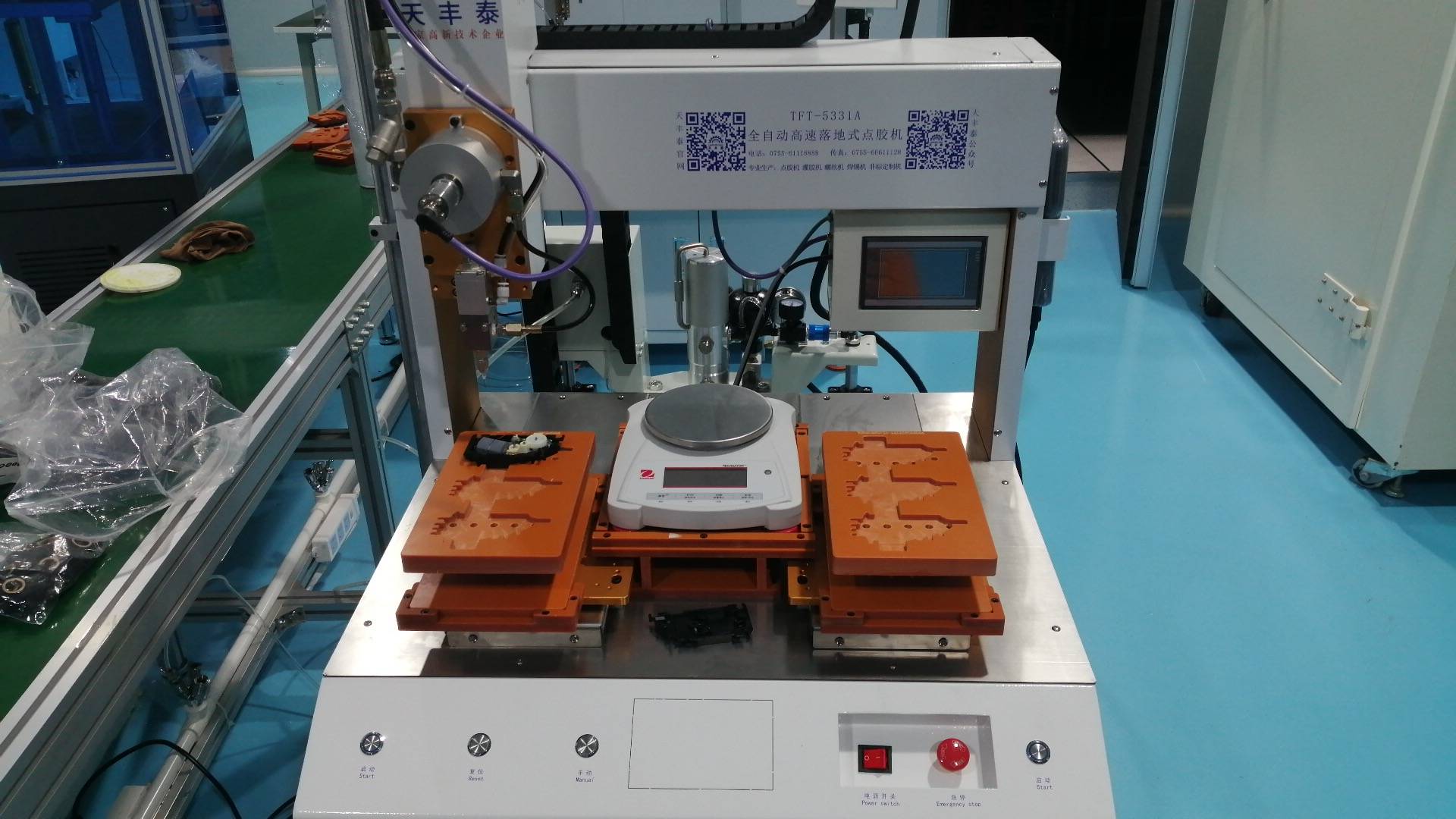
Glue Dispenser
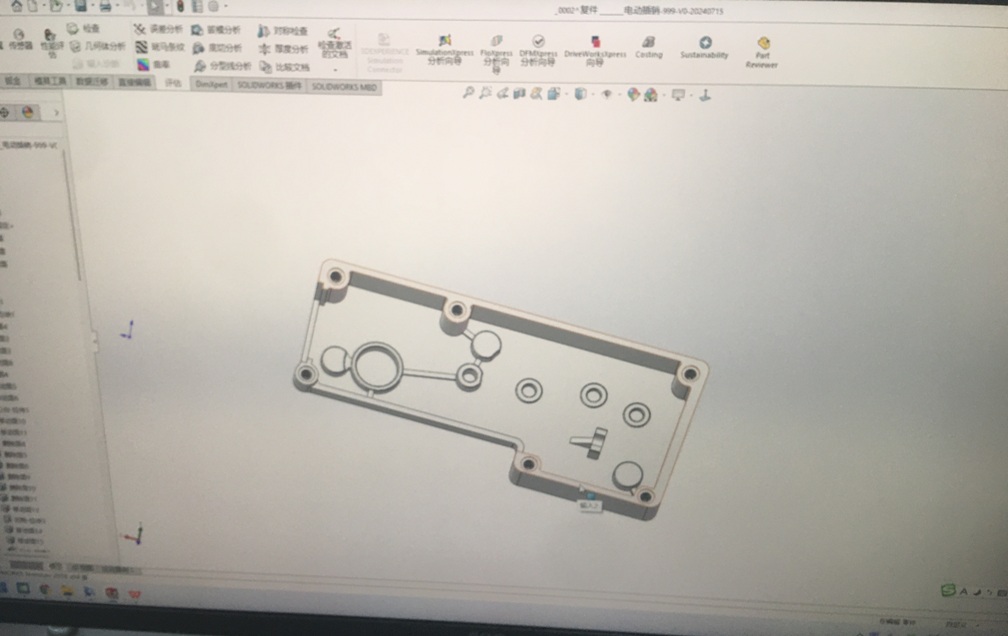
Design
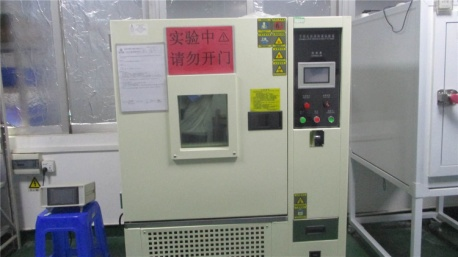
Programmable Constant Temperature&Humidity Testing Chamber
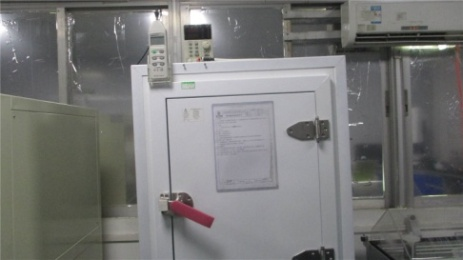
Noise Testing Chamber
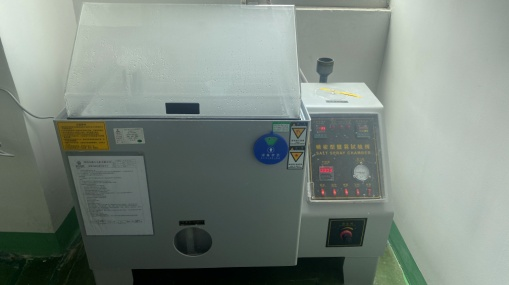
Salt Spray Testing Machine
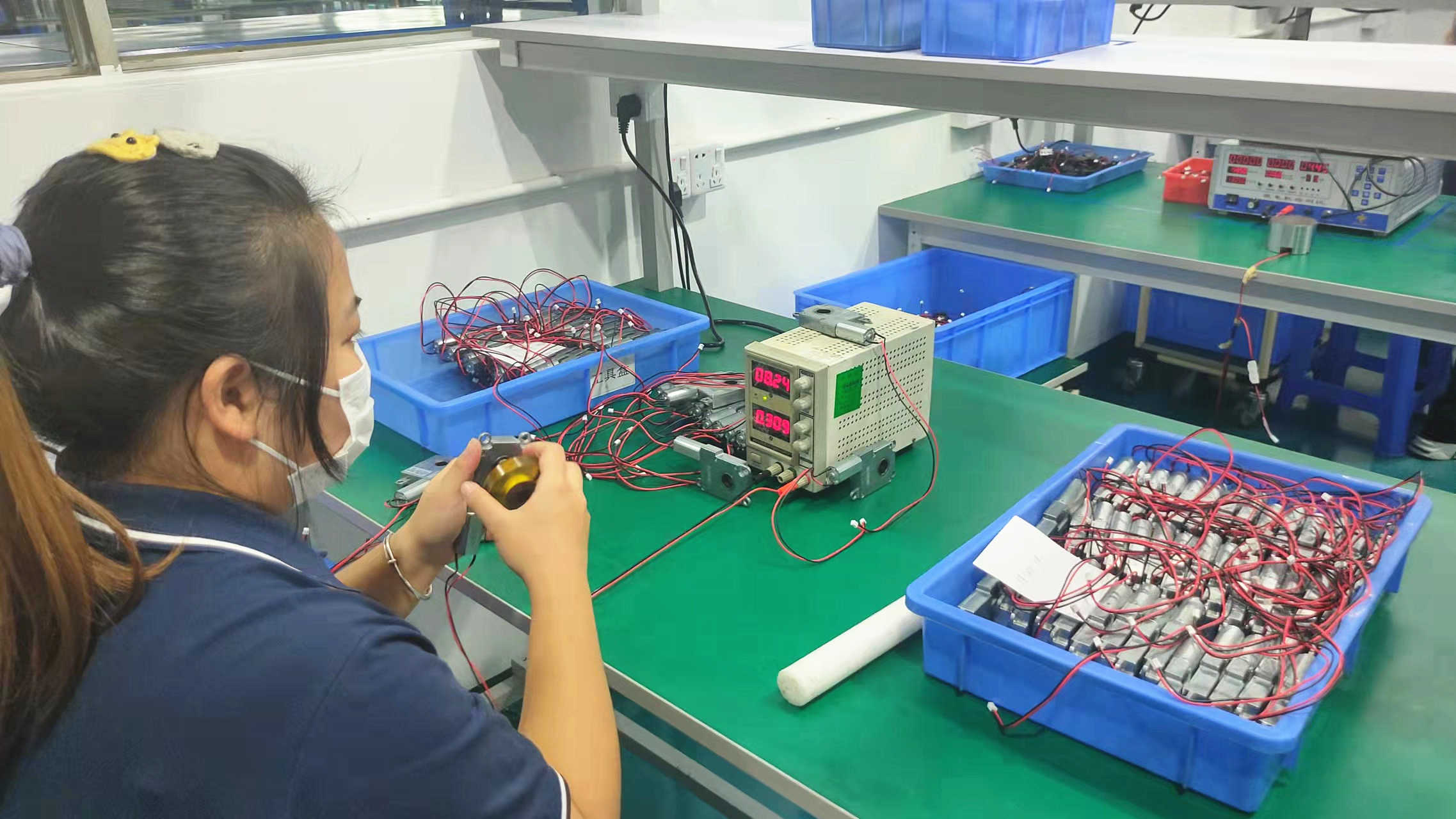
Qc Checking
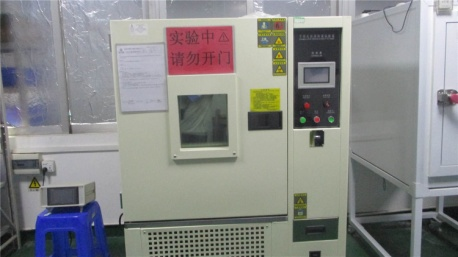
Programmable Constant Temperature&Humidity Testing Chamber
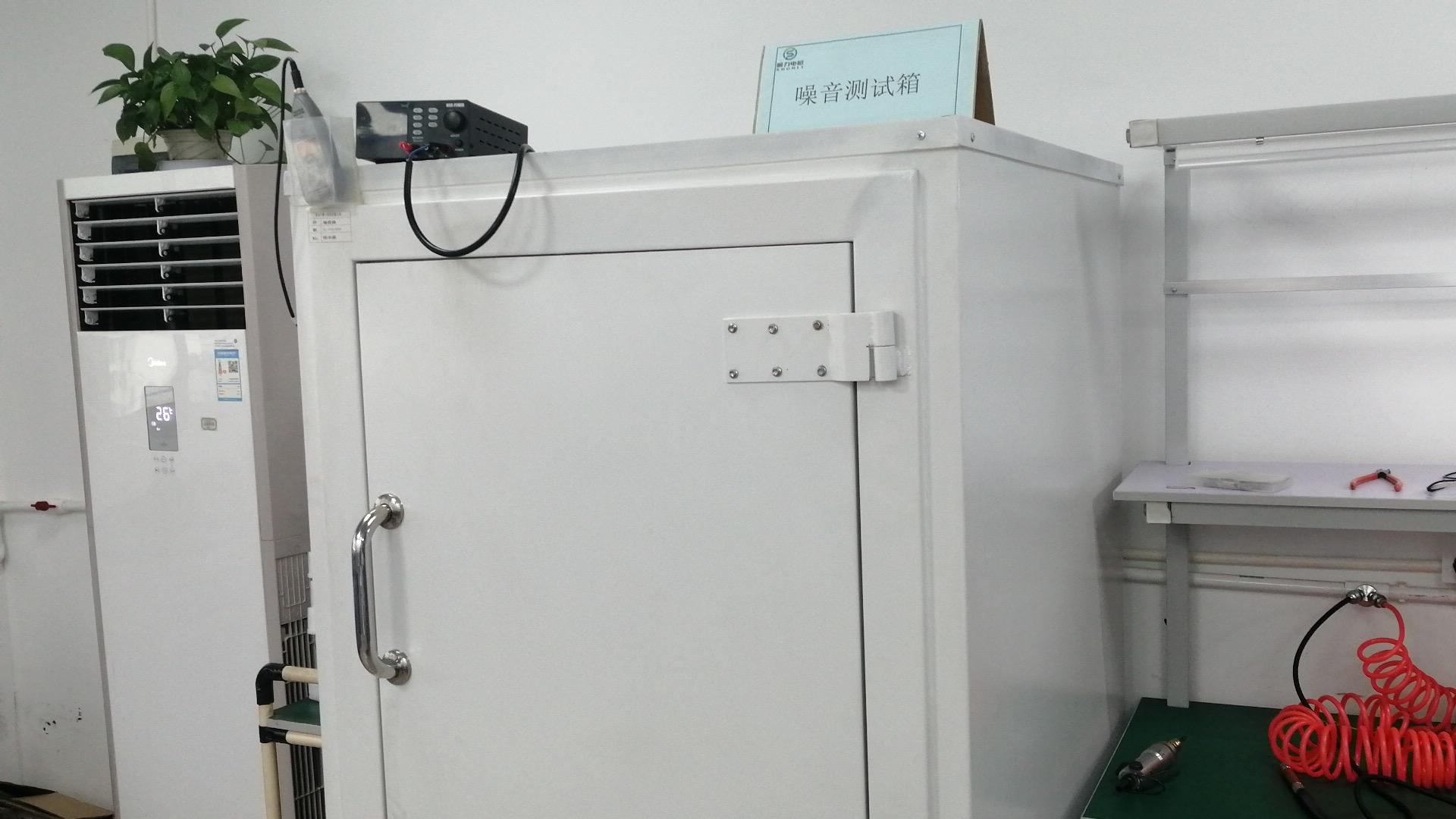
Noise Testing Chamber
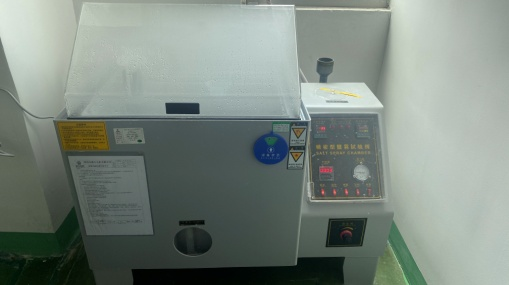
Salt Spray Testing Machine
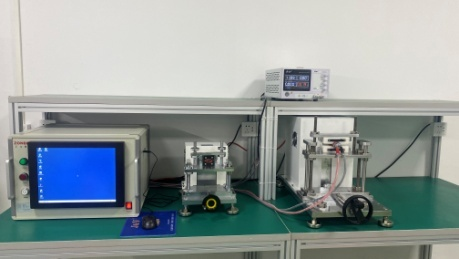
Dynamometer Machine
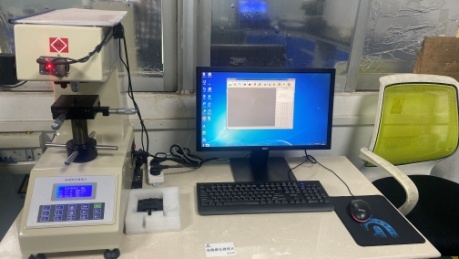
Hardness Tester
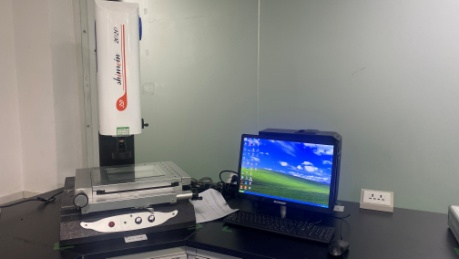
Video Measuring Instrument
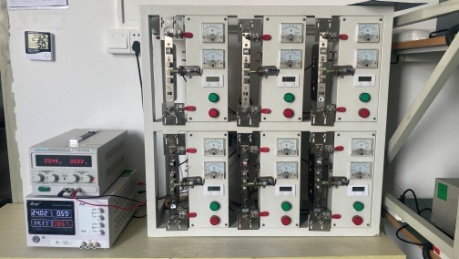
Aging Shelf
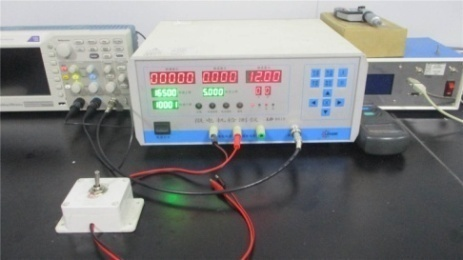
Motor Testing Machine
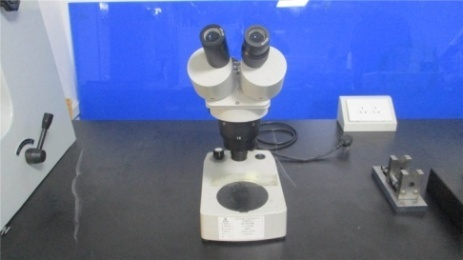
Microscope
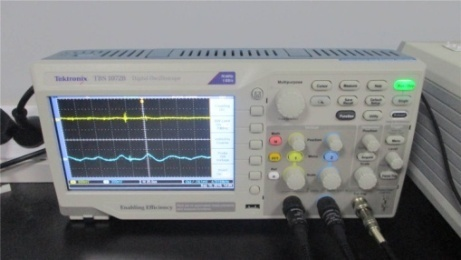
Digital Oscilloscope
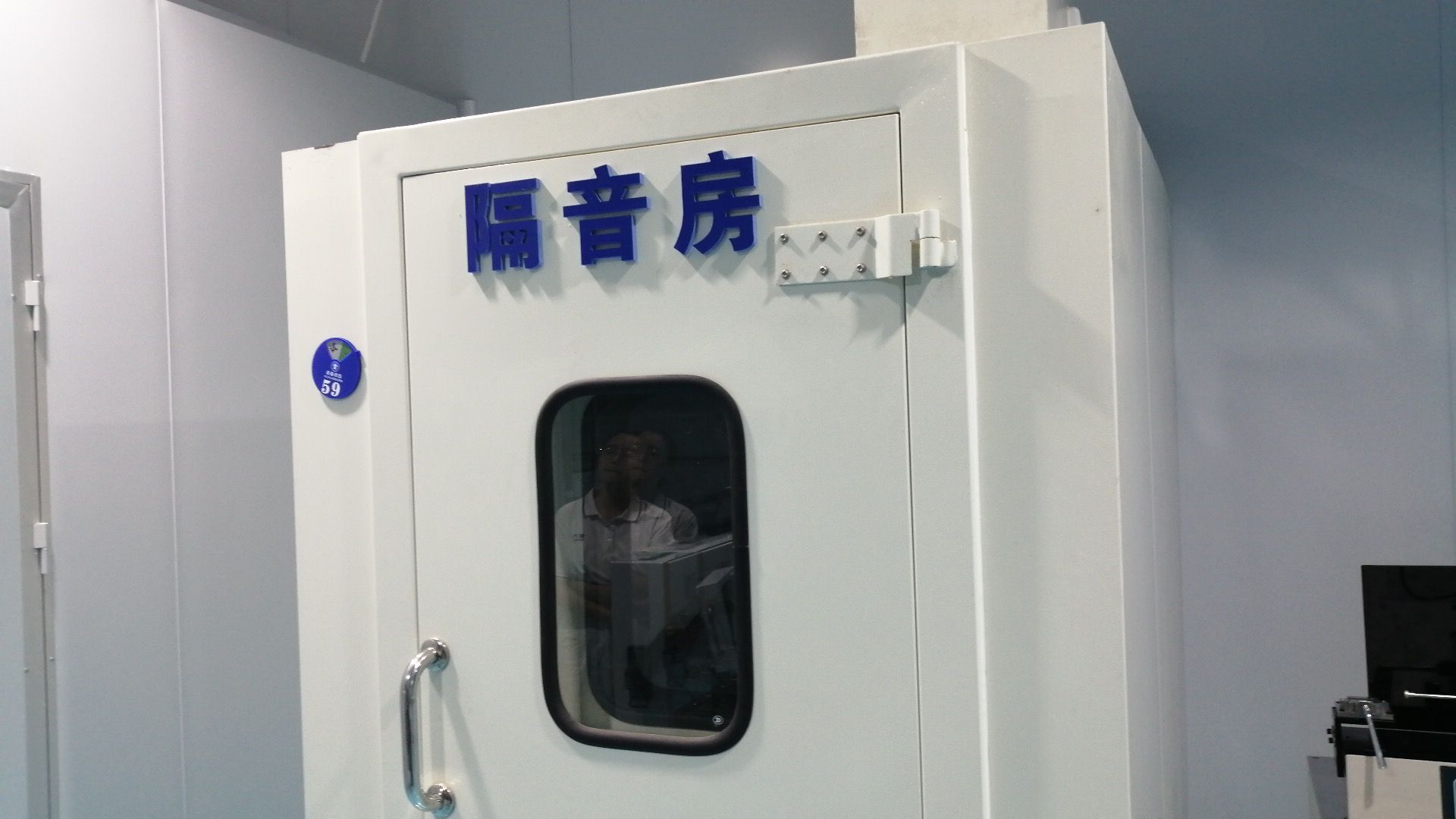
Soundproof Room
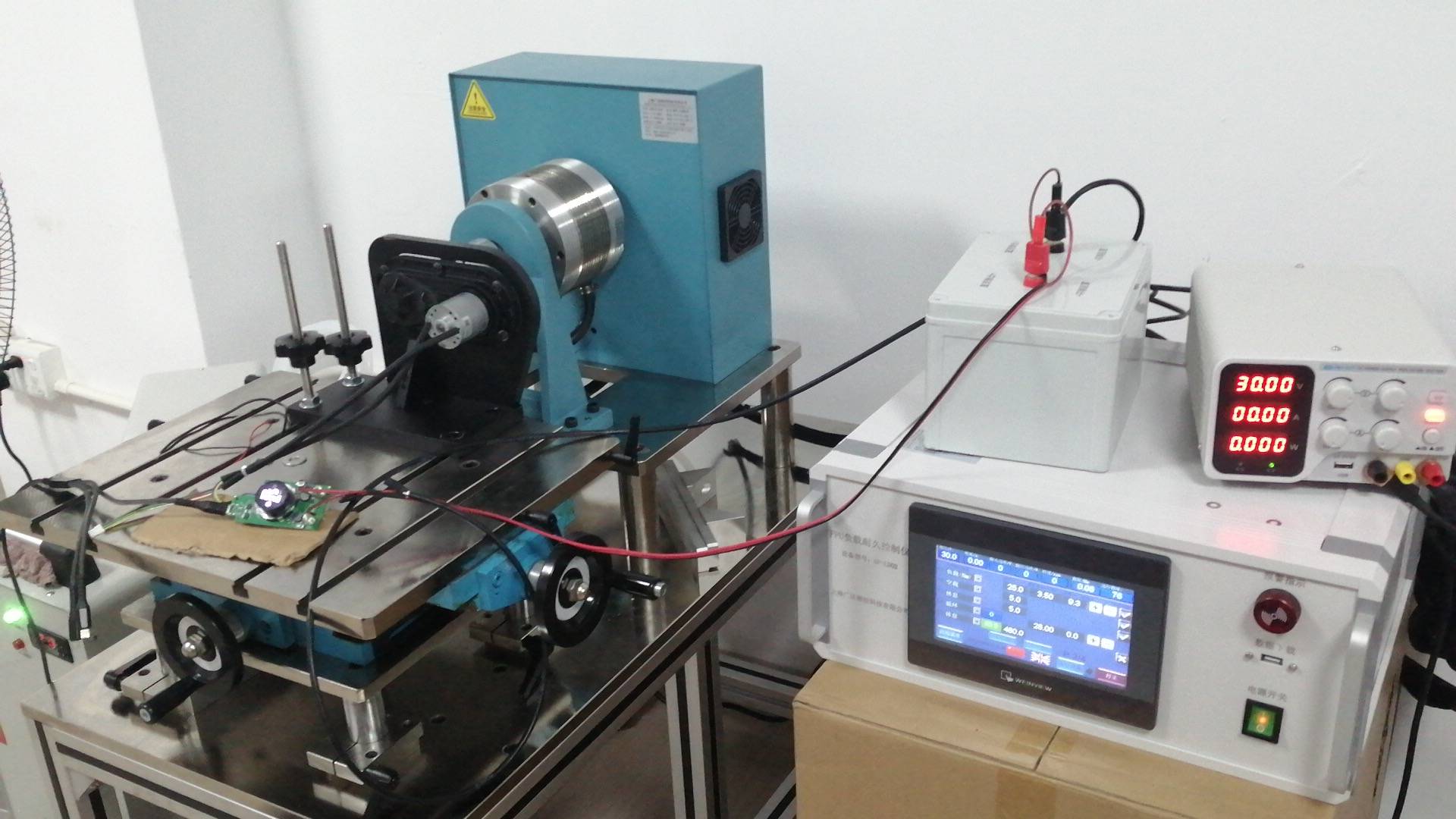
Magnetic Powder Testing Machine
Motion-control sourcing is moving from “buy a motor” to “qualify a configurable subsystem.” That shift rewards factories that can combine engineering support, process control, and responsive delivery.
Battery-powered devices, smart locks, portable medical products, and remote industrial nodes push buyers toward motors and drivers that deliver useful torque with lower current draw.
PWM control is increasingly combined with compact encoders, integrated drivers, and application-specific connectors to reduce assembly complexity at the OEM factory.
Acoustic comfort is a product-quality signal. Gear meshing, bearing selection, brush noise, and PWM switching frequency all affect perceived product quality.
OEMs want custom shafts, gear ratios, windings, and interfaces without starting from a blank sheet. Modular motor and gearbox platforms reduce tooling risk.
ISO9001, CE, RoHS, and REACH readiness increasingly influence supplier selection, especially for European and North American assembly programs.
Buyers are reducing single-source risk by qualifying factories with in-house winding, tooling, testing, and packaging rather than relying on fragmented subcontracting.
A strong RFQ reduces hidden cost. The more clearly the application is defined, the faster a China wholesale PWM motor factory can propose a stable motor-and-gearbox solution.
Share operating voltage, current limit, target speed, required torque, stall conditions, start-stop frequency, ambient temperature, expected life, and any spring, cam, or valve load.
Clarify whether the motor will run with an external PWM driver or an integrated controller, and confirm PWM frequency, duty-cycle range, braking behavior, EMI constraints, and connector pinout.
Provide shaft diameter, length, flat or knurl details, gearbox diameter, mounting holes, output direction, noise limits, and housing clearance before sampling.
Ask for torque-speed curves, no-load current, stall current, insulation resistance, acoustic data, gearbox backlash, service-life assumptions, and end-of-line inspection criteria.
Use sample evaluation to validate fit, thermal behavior, controller compatibility, noise, and durability before tooling and volume commitments. Document any changes after validation.
Compare unit price with failure risk, engineering time, testing cost, packaging, freight, compliance documentation, and the cost of production-line stops caused by variation.
These answers help engineering, sourcing, and quality teams evaluate a PWM motor supply partner with clearer technical and commercial expectations.
A PWM motor is not necessarily a separate motor type. It is usually a DC, BLDC, or stepper motor used with pulse-width modulation to control speed or torque. The motor must be matched with a compatible driver, voltage, switching frequency, and thermal design.
A direct factory can expose engineering assumptions, tooling options, in-house testing, and production controls. That reduces communication gaps and makes customization more predictable than working through layers of intermediaries.
Yes. Wholesale OEM programs commonly require custom windings, gear ratios, output shafts, mounting interfaces, encoders, lead wires, and connectors. Early prototypes help confirm that the customized assembly fits the device and meets the duty cycle.
Quality control starts with material and component verification, then continues through winding, soldering, assembly, gearbox setup, and end-of-line testing. Strata Motor uses 100% in-house loading tests and additional metrology and environmental checks where the application requires them.
Typical applications include smart locks, vending machines, gas valves, medical and wellness devices, robotics, RC models, wipers, agitators, grill machines, ovens, fans, and smart-home mechanisms.
Provide voltage, speed, torque, duty cycle, load profile, ambient conditions, acoustic target, life expectation, control method, connector details, mechanical drawing, annual volume, and required certification or documentation.
Review engineering responsiveness, sample consistency, test reports, process evidence, equipment capability, change-control practices, and production traceability. A factory that explains its test logic is usually easier to qualify than one that only quotes a price.
Many configurations are designed around those application categories, but suitability must be confirmed against the exact load, life, noise, environmental, and compliance requirements. Always validate samples in the final mechanism before mass production.
Whether you need a brush DC motor for an agitator, a BLDC planetary gearmotor for a robotic joint, a worm gear motor for vending, a micro stepper for a medical device, or a shaded-pole AC motor for an oven, the sourcing process should be transparent. Share your voltage, duty cycle, target life, acoustic limit, connector requirement, and annual volume so the engineering team can recommend a practical motor-and-gearbox configuration. Strata Motor’s factory-direct approach keeps customization, testing, and production evidence connected from prototype through repeat order.
Explore Wholesale Motor SolutionsCompare more gearmotor, stepper, brushless, brushed DC, and AC motor platforms for your next OEM program.