Strata Motor
Strata Motor
Strata Motor
In the globalized industrial sourcing ecosystem, sourcing components like AC motors and micro drives is often compromised by trading intermediaries, fragmented communication pipelines, and downstream batch inconsistency. Strata Motor serves as an established, vertically integrated manufacturing partner. Operating directly from our advanced facilities in China, we bypass traditional sourcing inefficiencies, delivering custom electric motors tailored specifically to your design, voltage, and mechanical requirements.
The Strata Motor Brand Quality Assurance: We bridge the gap between design engineering and high-volume mass production. By retaining entire design controls, material inspection protocols, and testing frameworks under one roof, we guarantee that every batch matches the technical specs of the first signed-off prototype.
Our engineering heritage, dating back to 2006, gives us the capability to produce high-performance industrial components. We leverage ISO 9001 certified automation systems, continuous quality monitoring, and local support teams to help global engineering projects meet critical milestones.
Established on a foundation of deep motor manufacturing heritage since 2006, we provide automated, stable production environments that guarantee long-term system stability and supply continuity.
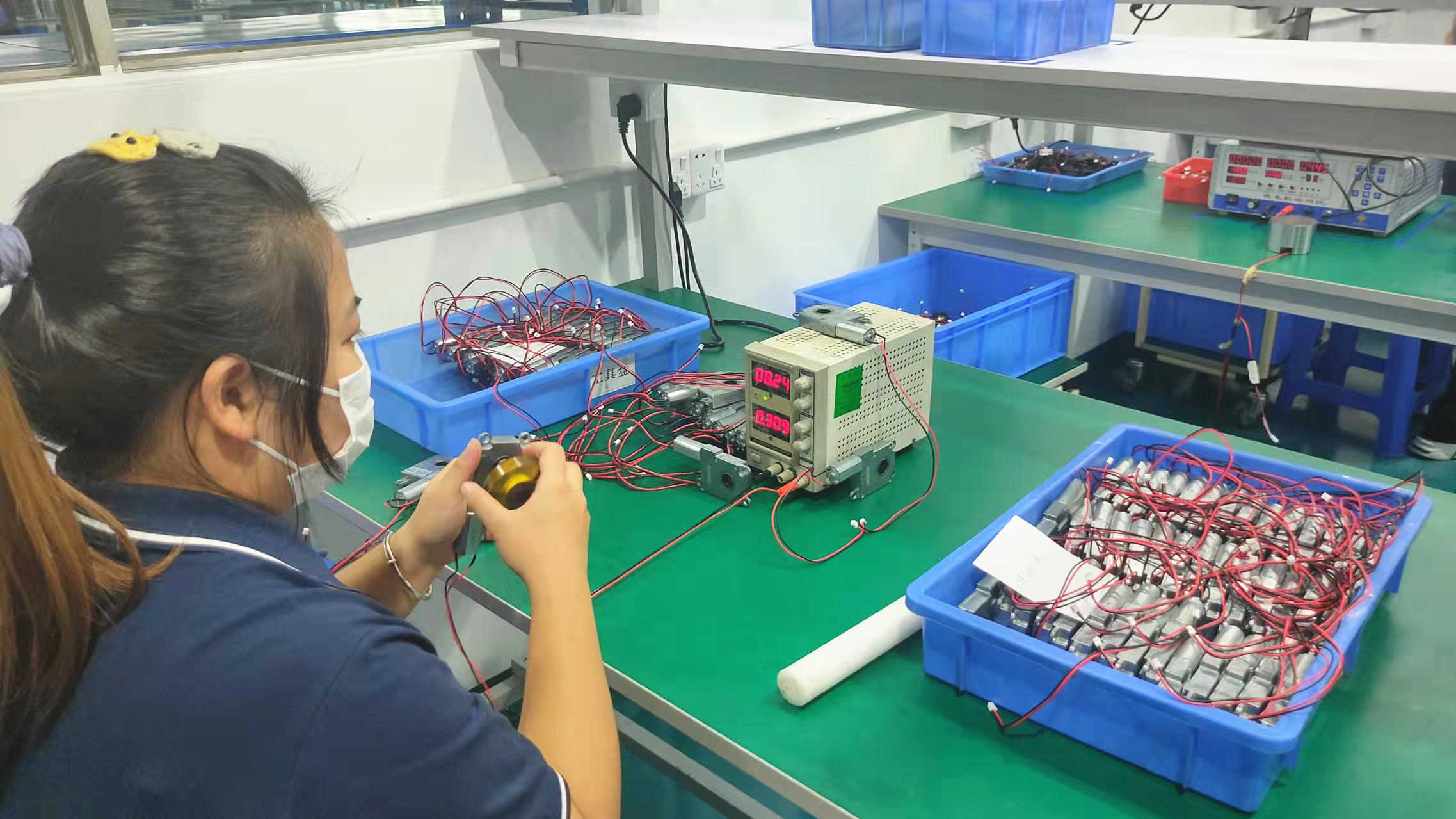
Every single custom motor is subjected to automated dynamic load balancing, thermal performance scanning, and acoustic analysis in our dedicated anechoic chambers prior to shipping.
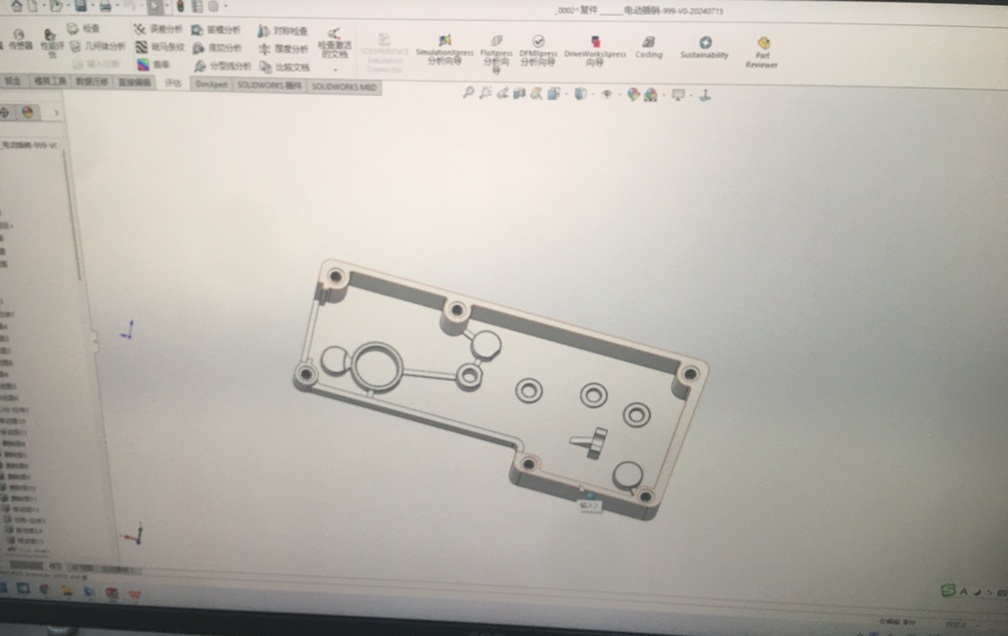
We work directly from customer-supplied CAD schematics. Our engineers customize shaft dimensions, output speeds, gear reducers, mounting flanges, and winding configurations to optimize performance.
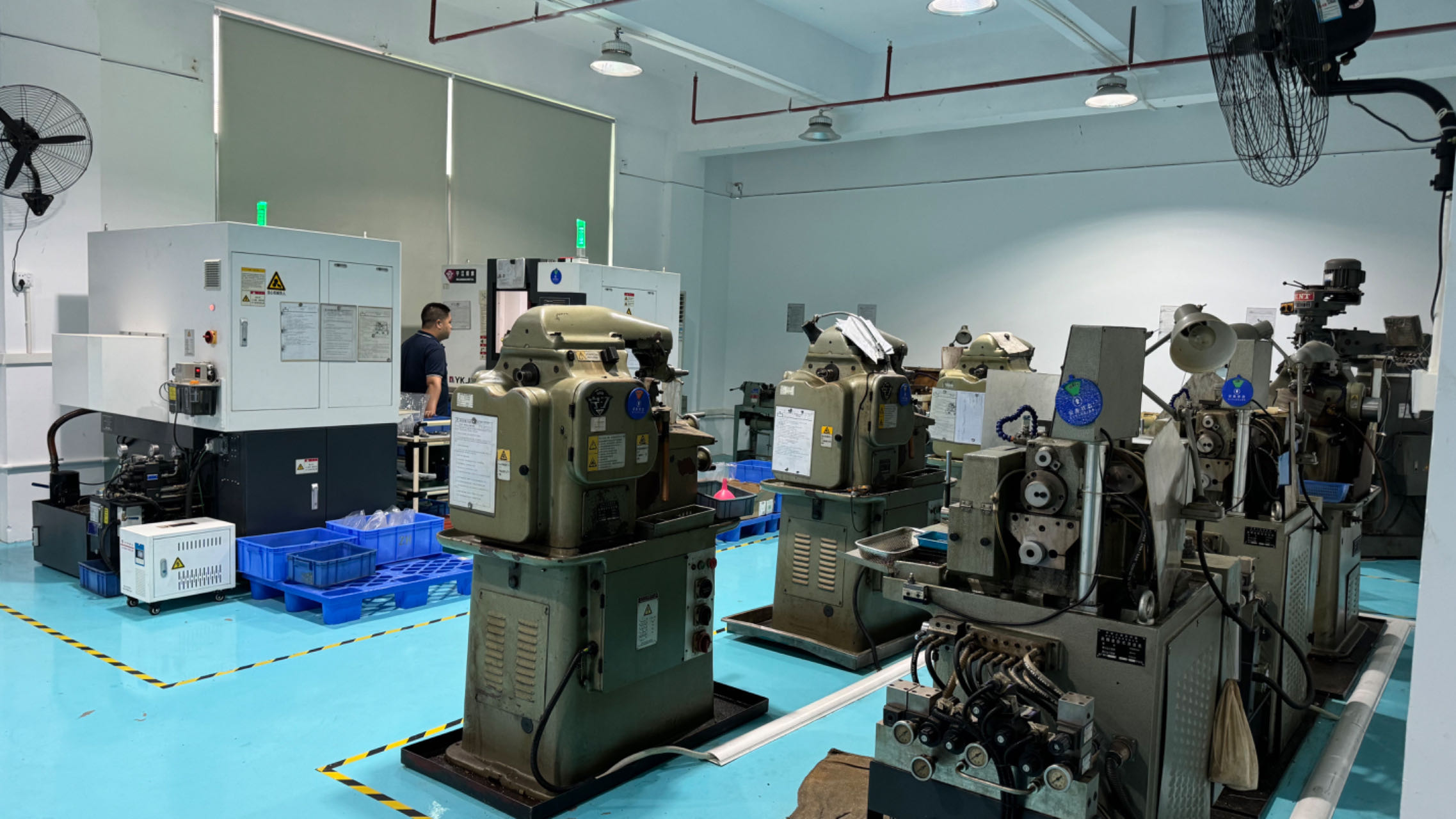
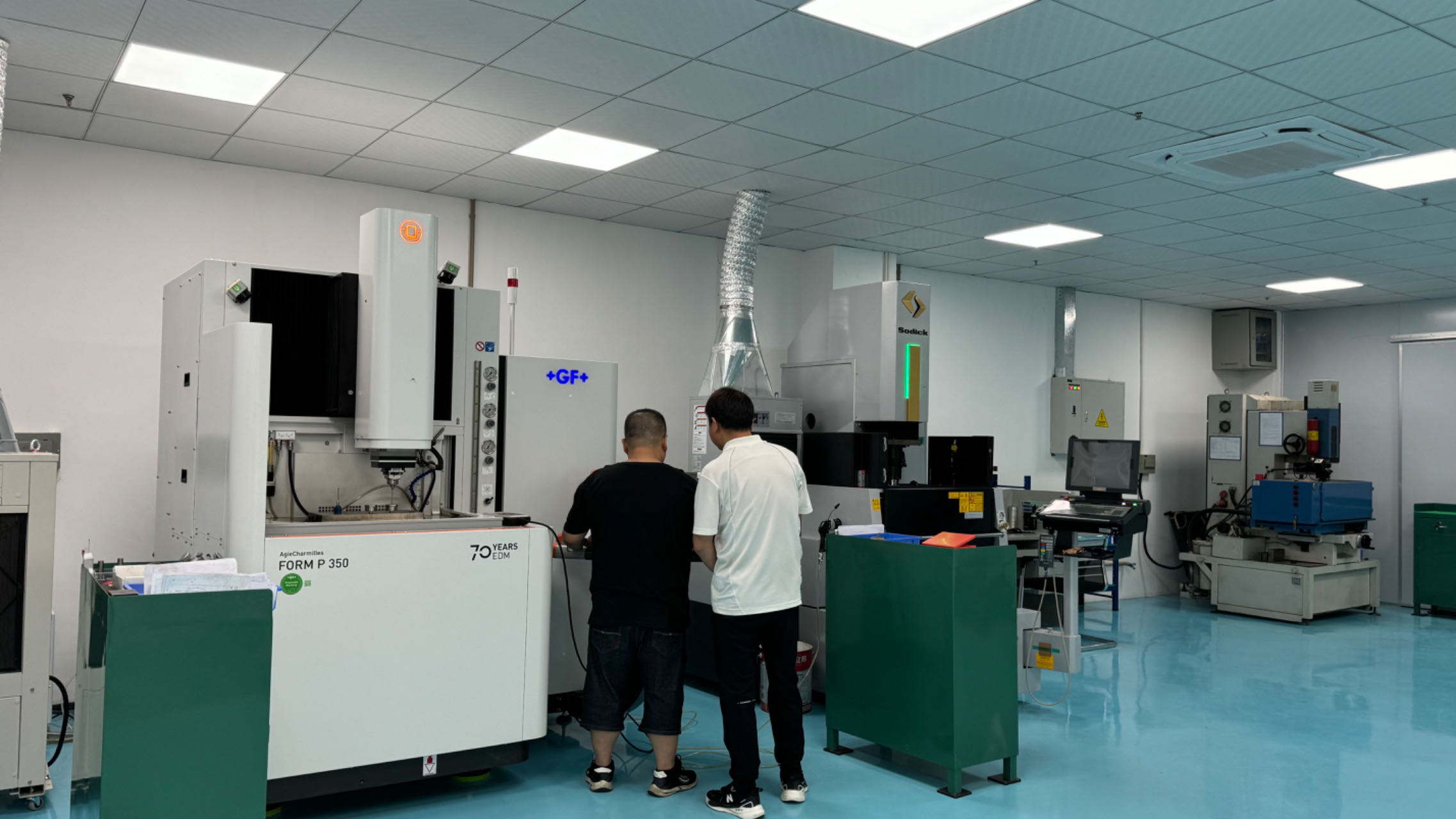
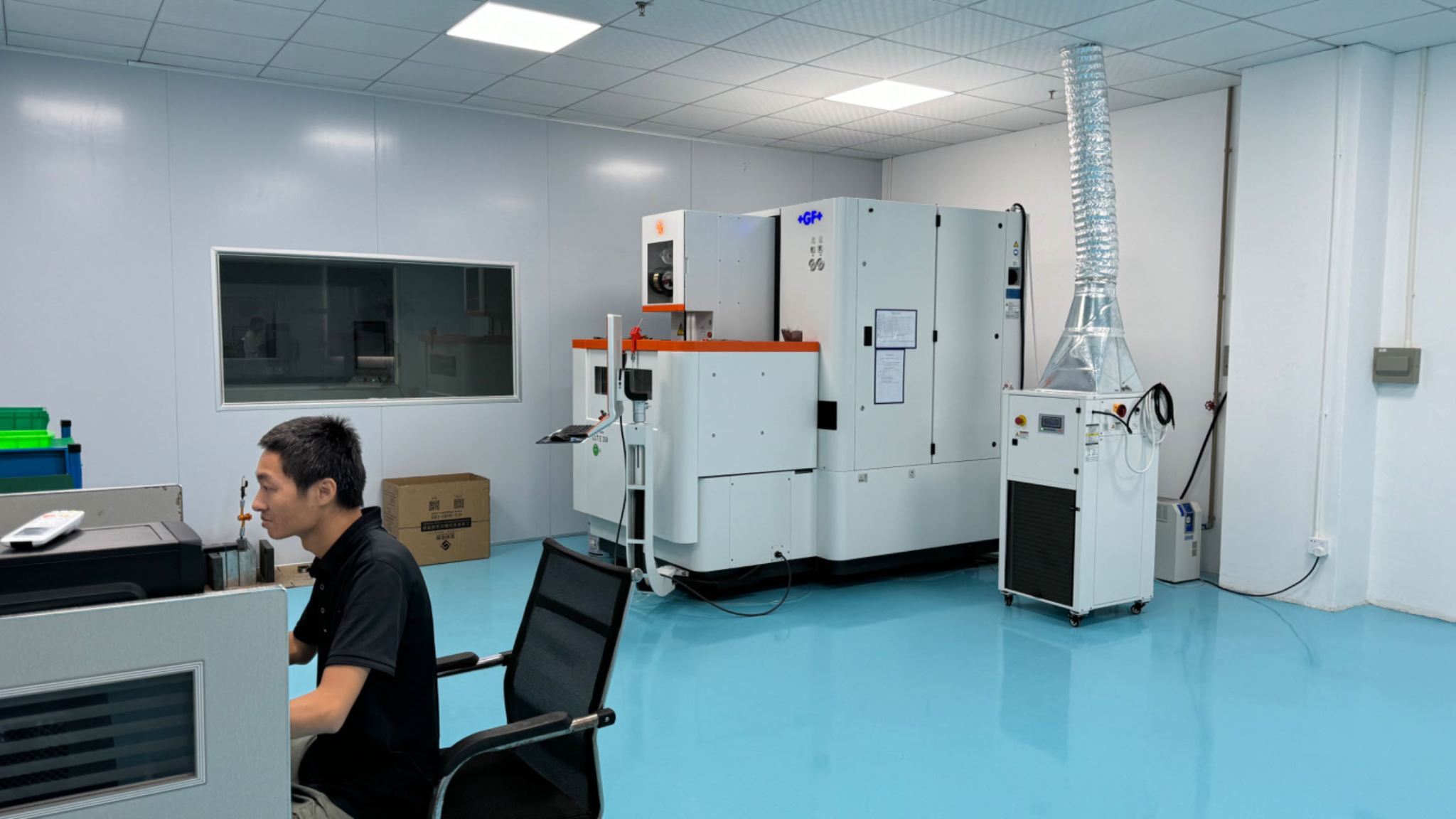
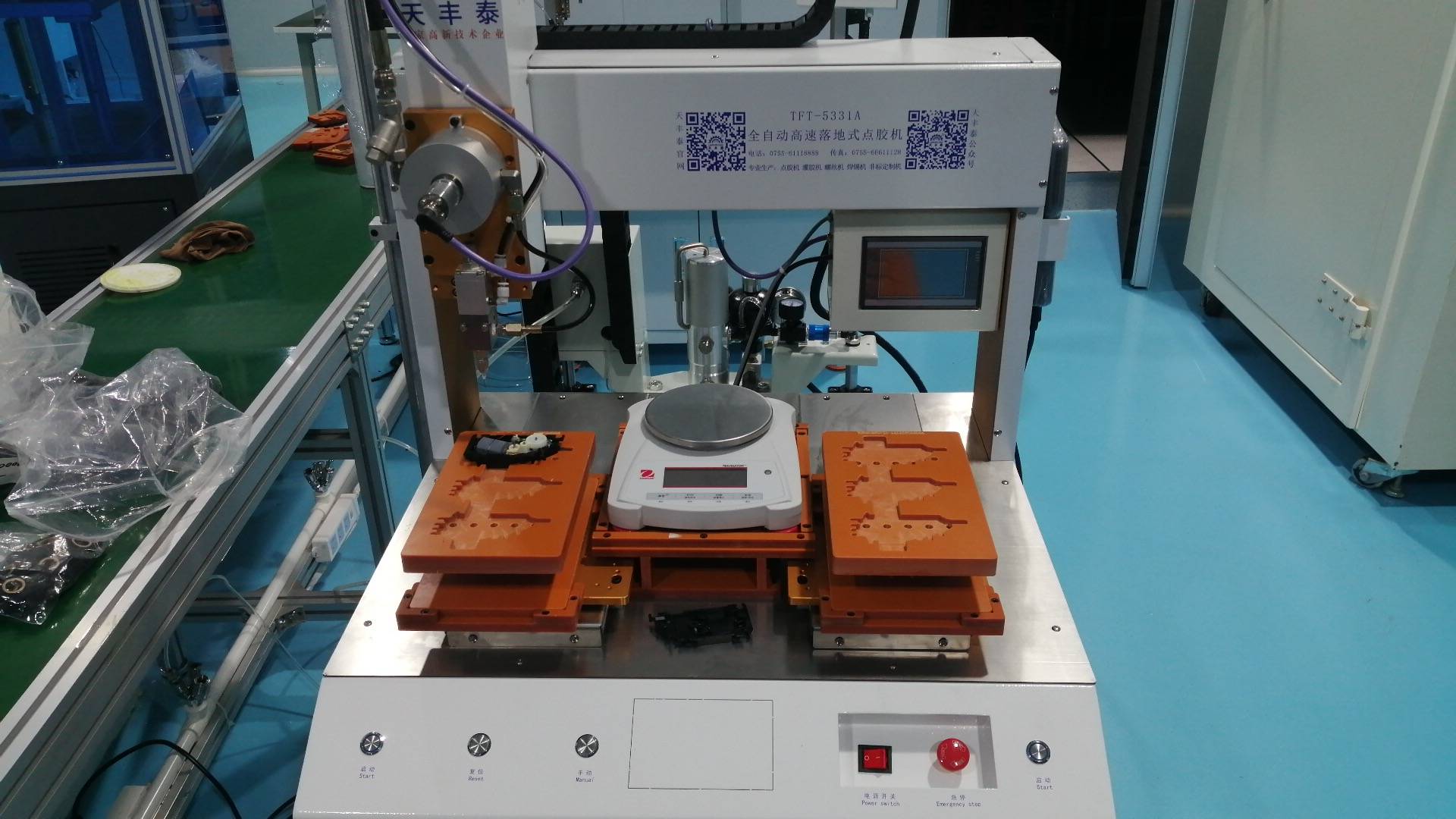
Our high-precision manufacturing floor is equipped with advanced automated machining systems, winding tools, and testing apparatus to maintain tight dimensional tolerances and repeatable electromagnetic performance.
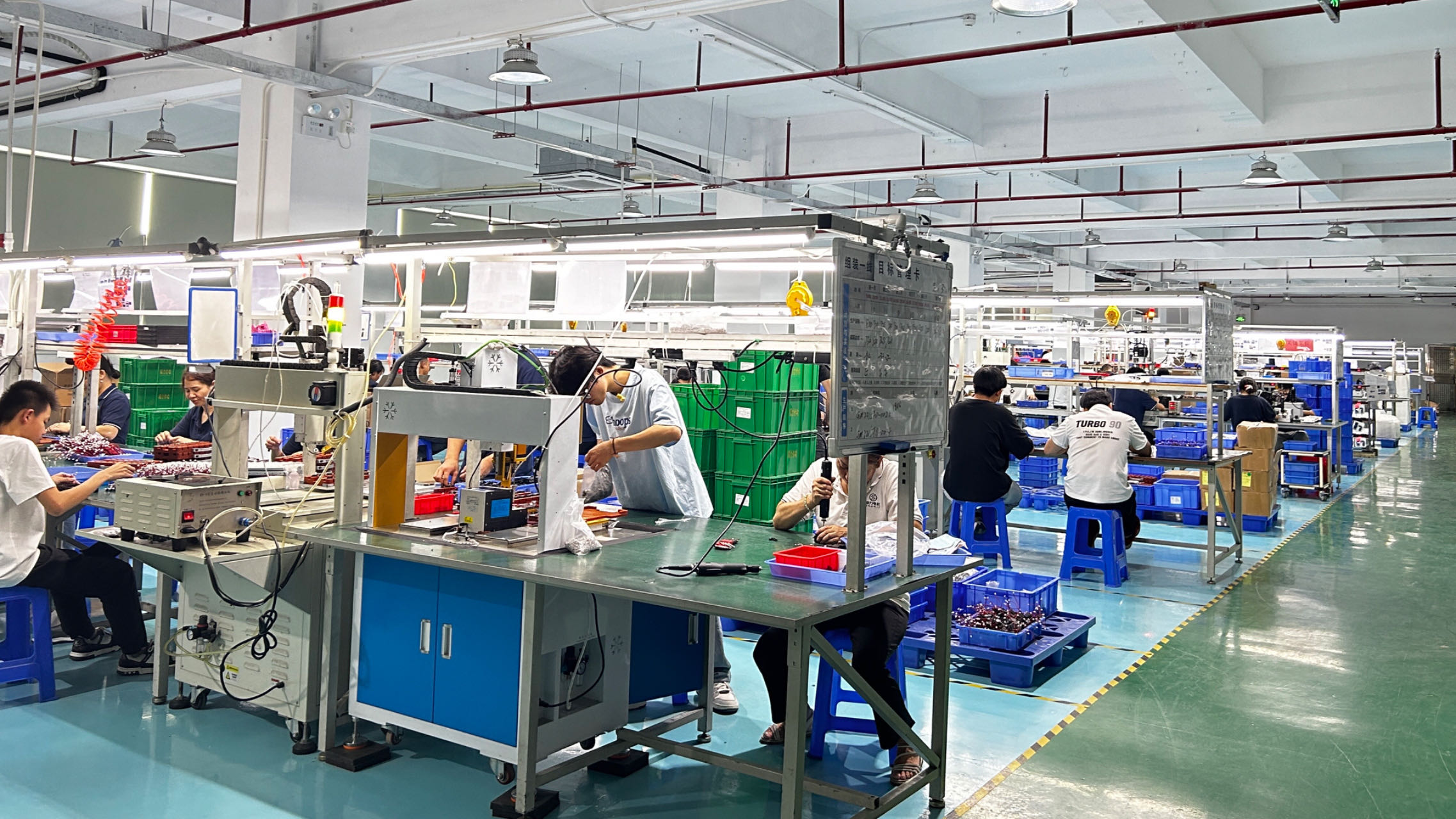
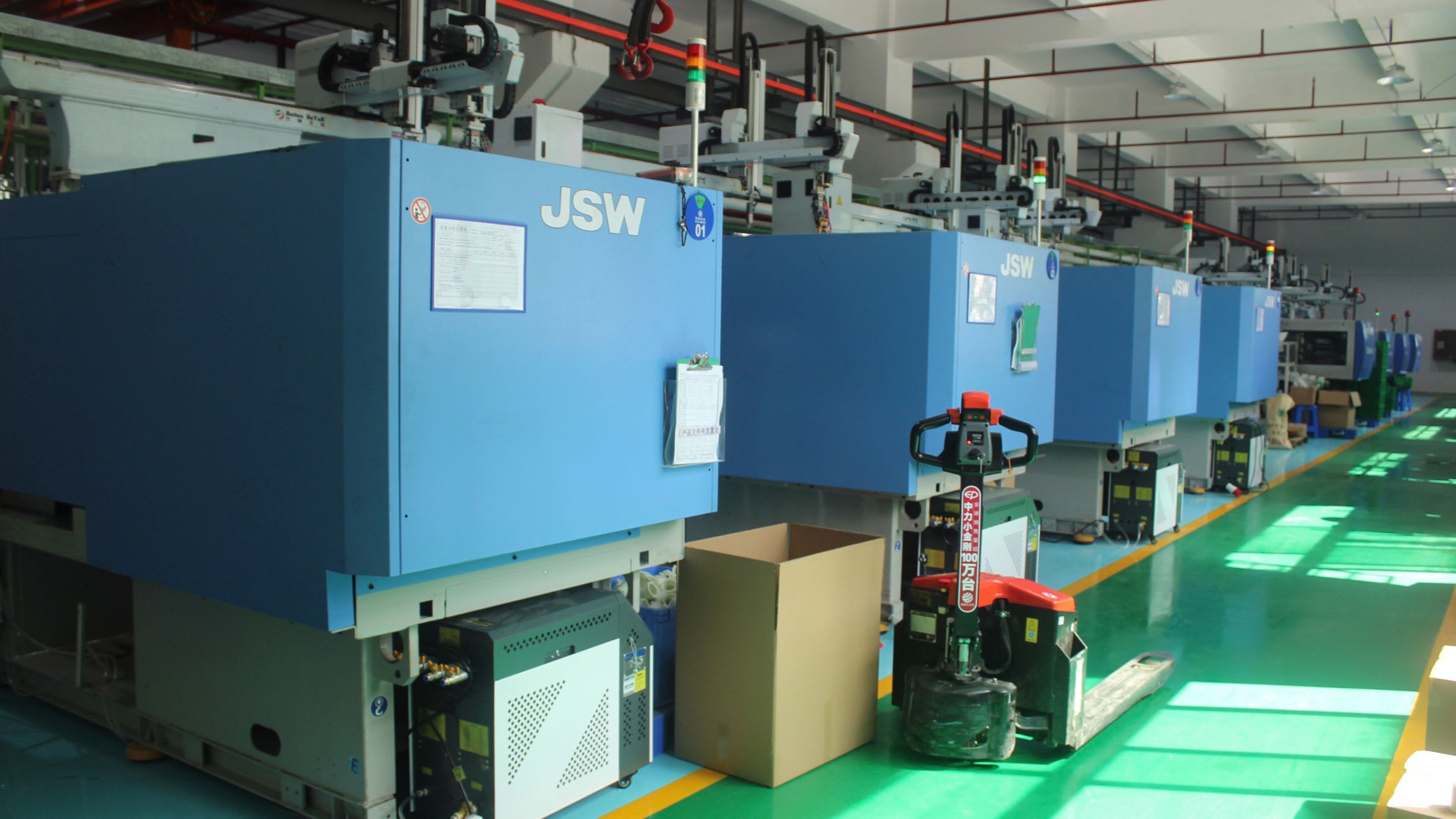
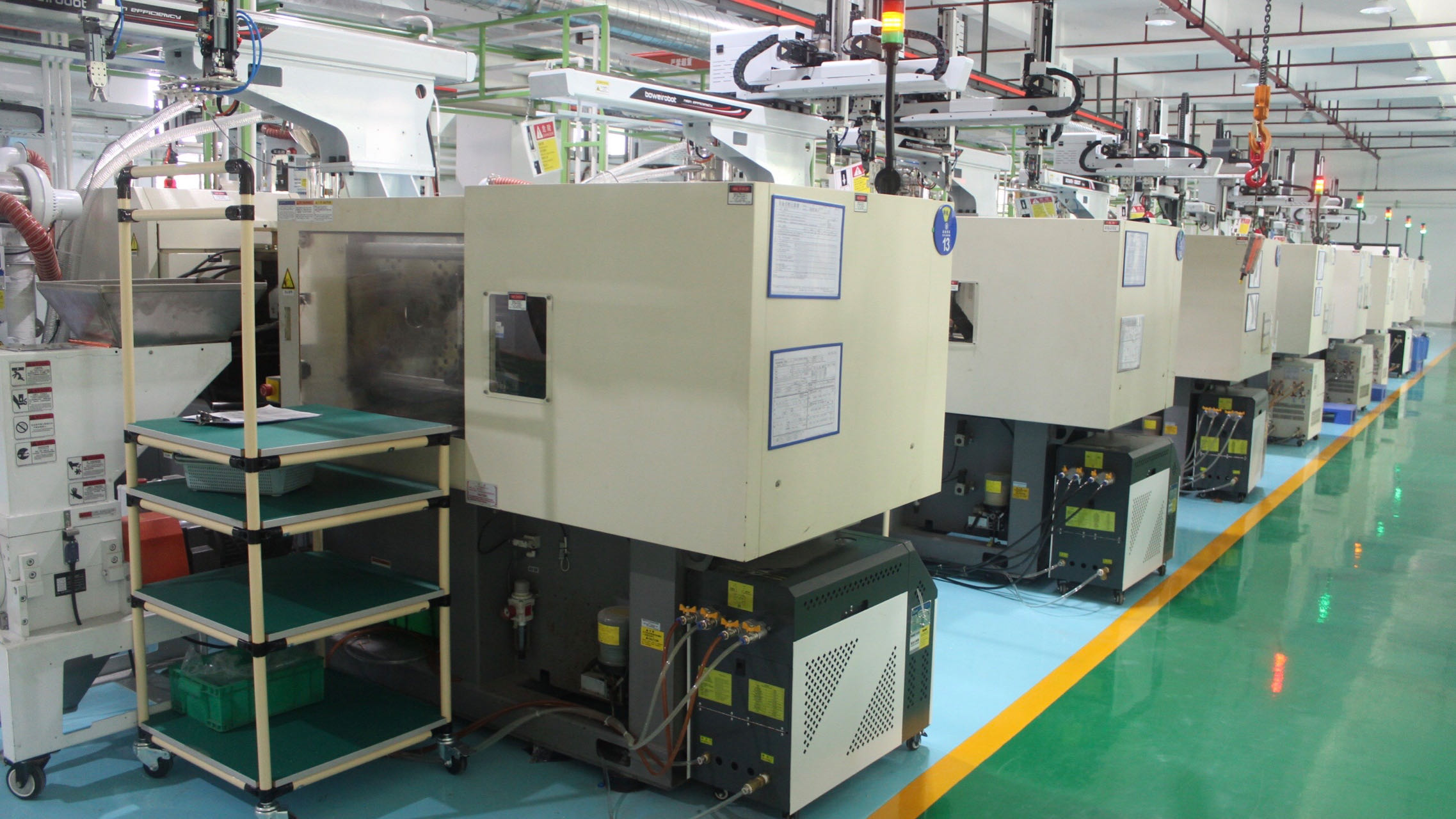
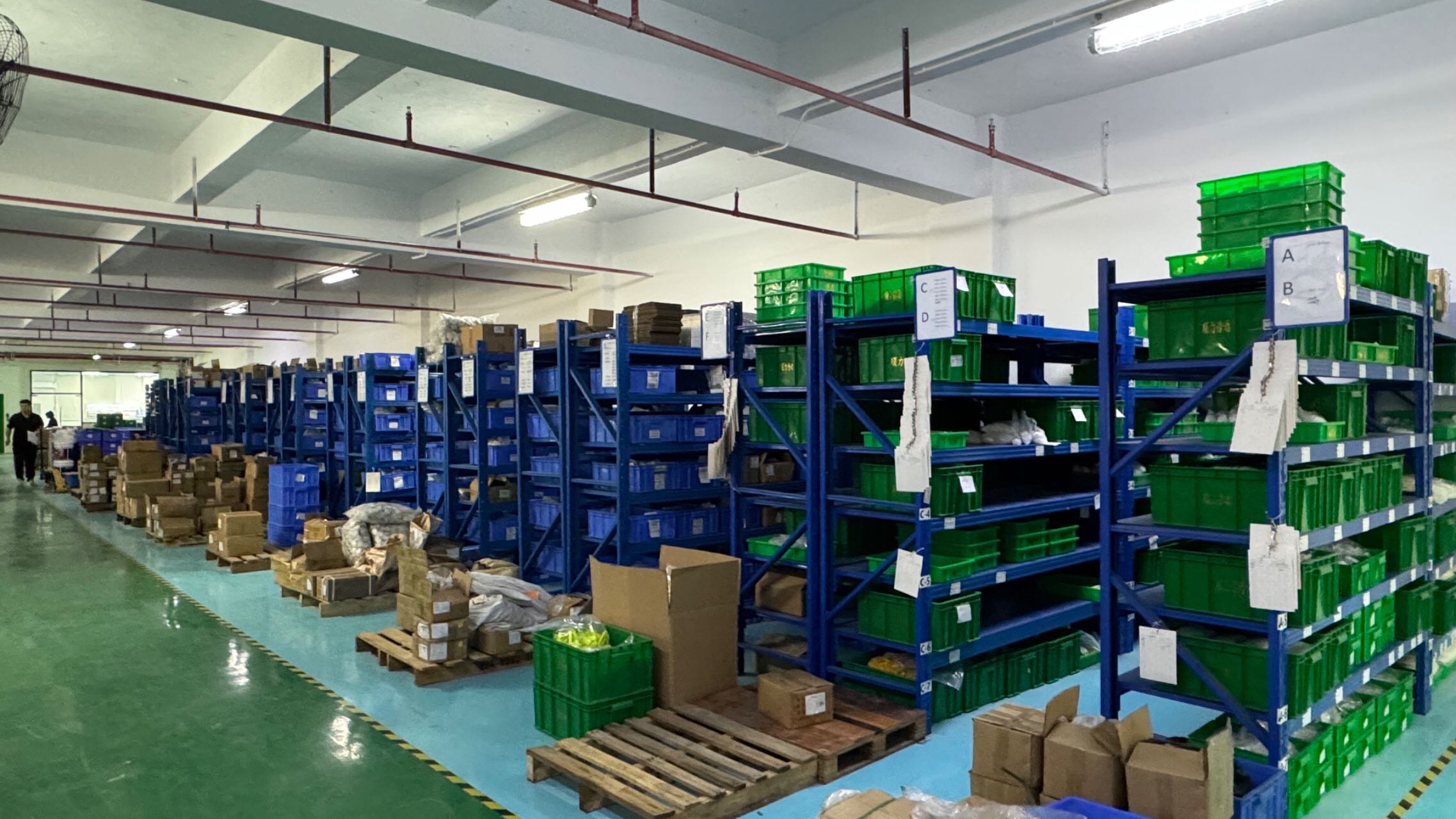
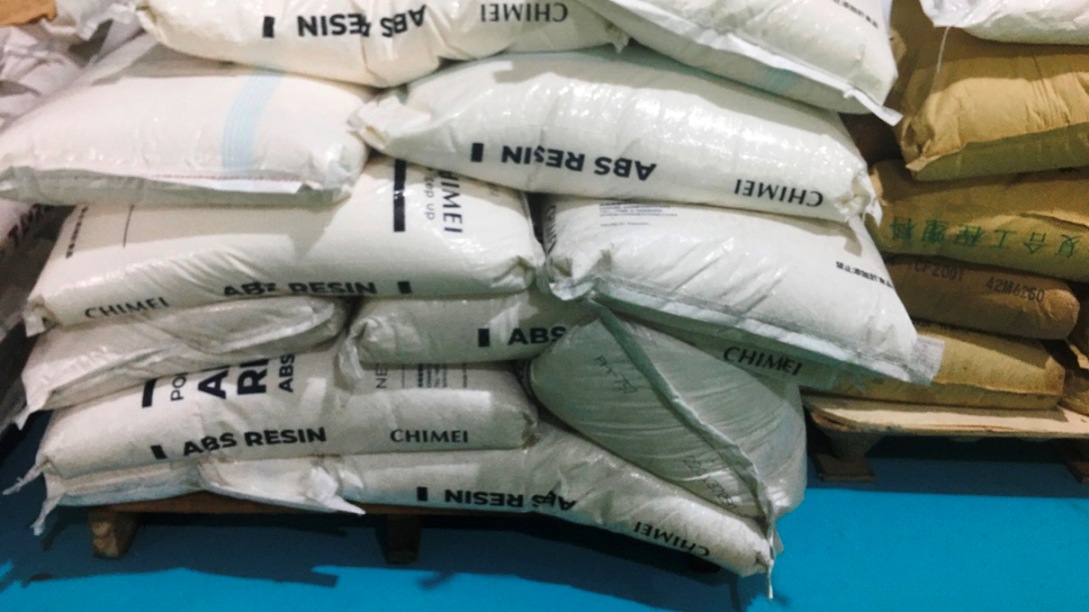
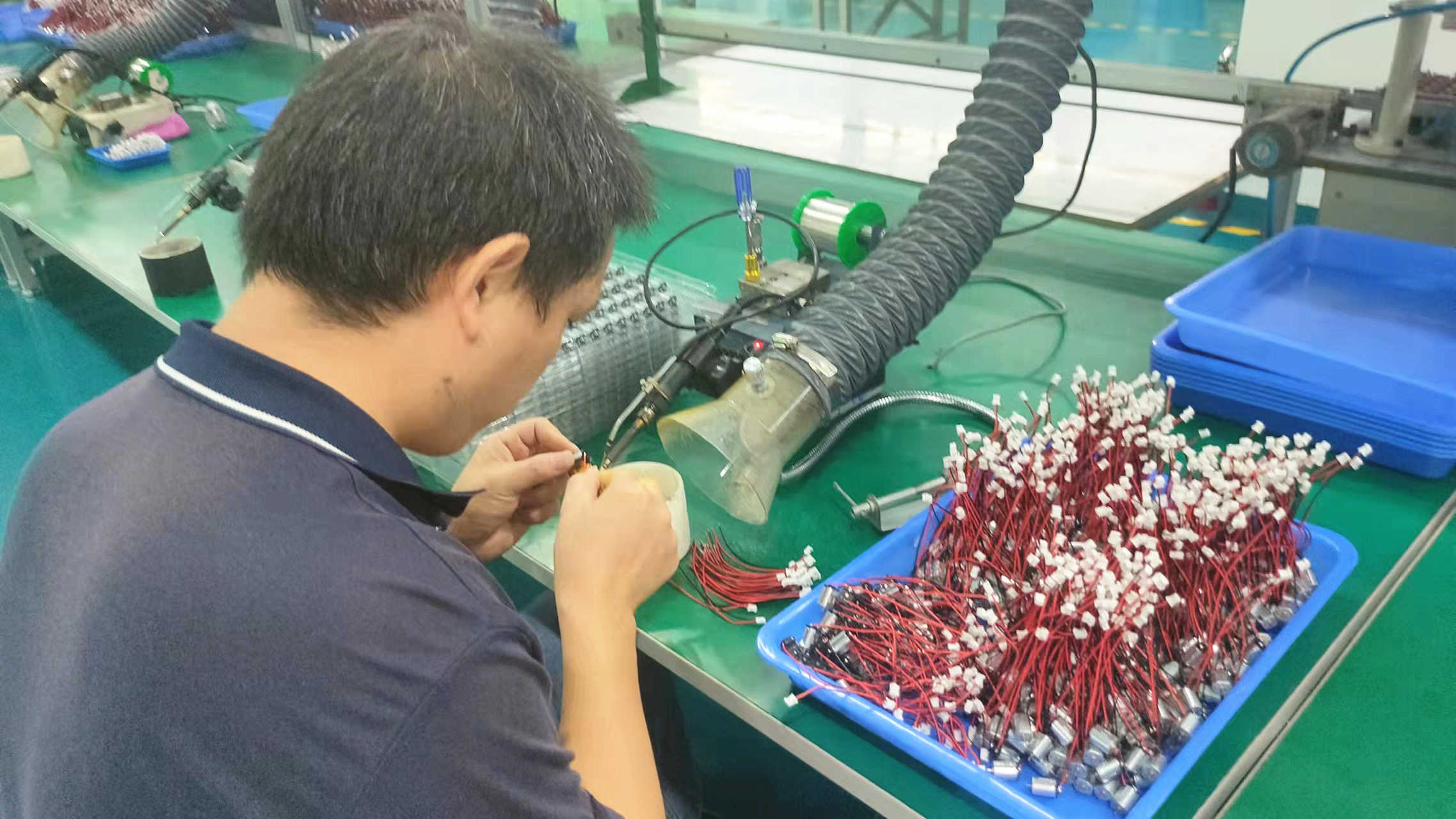
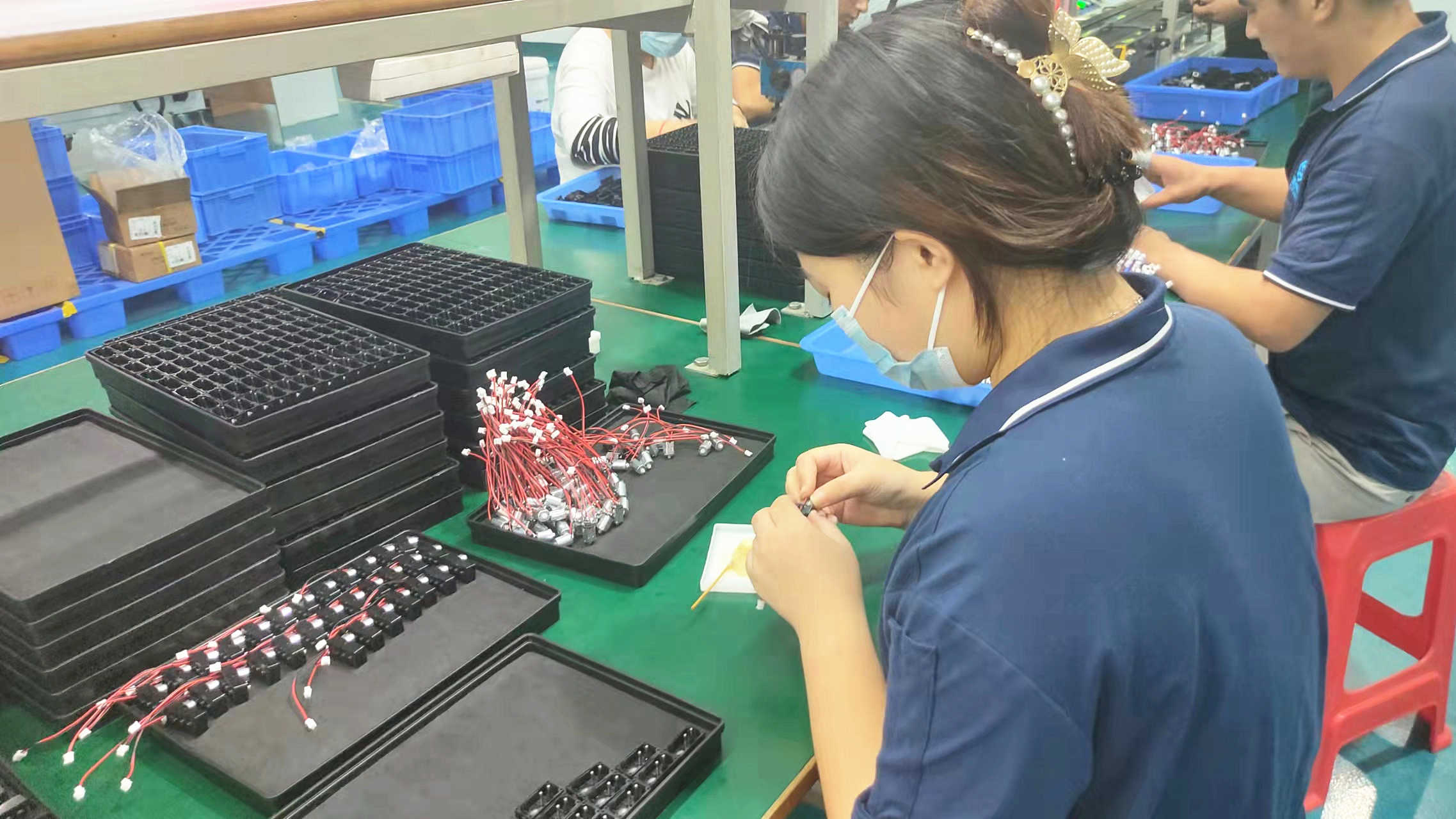
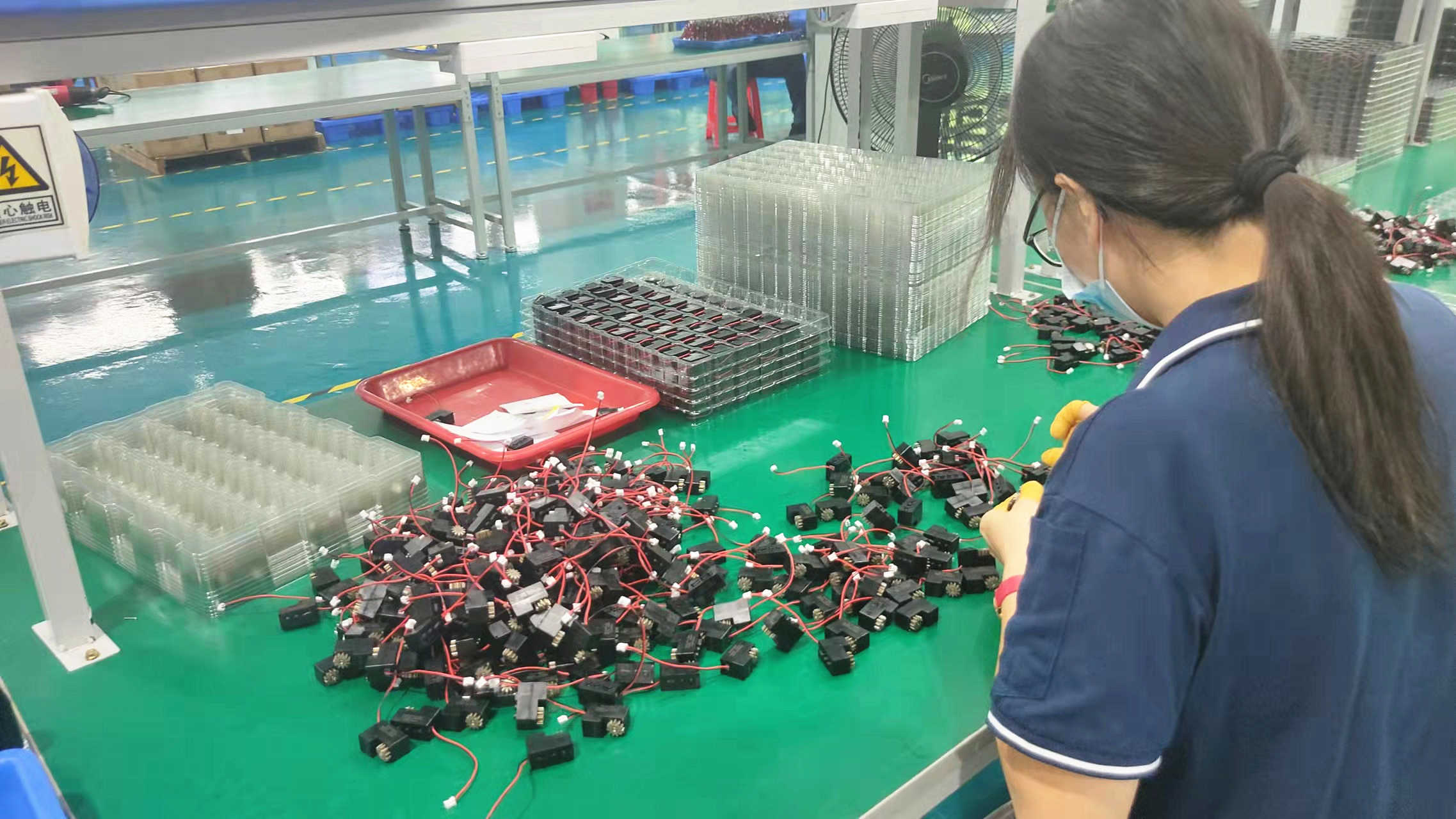
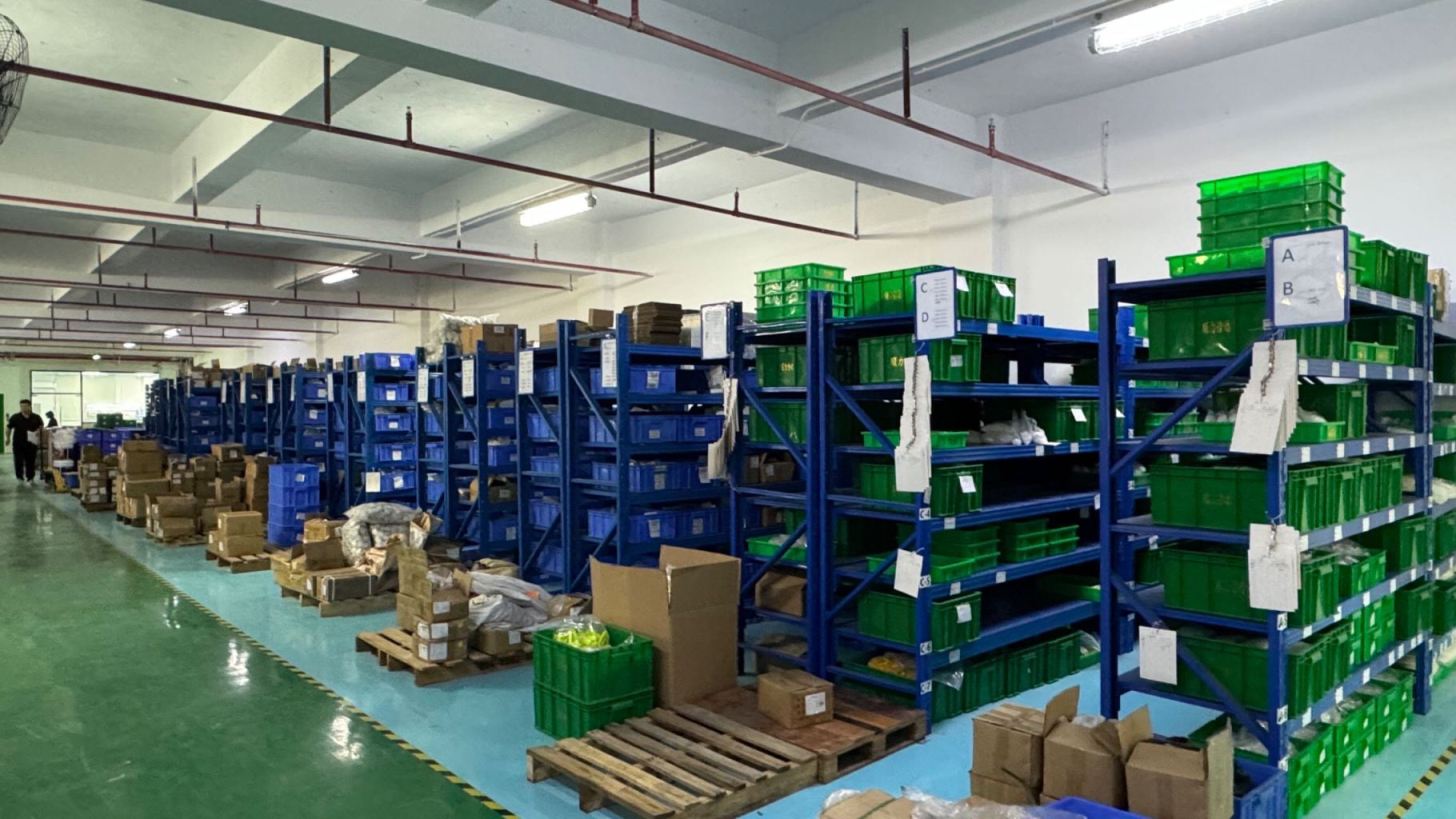
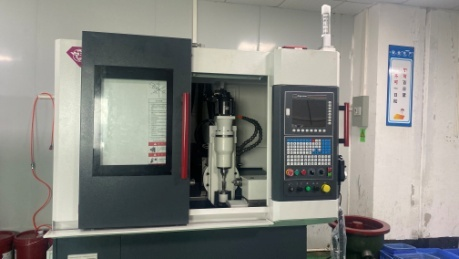
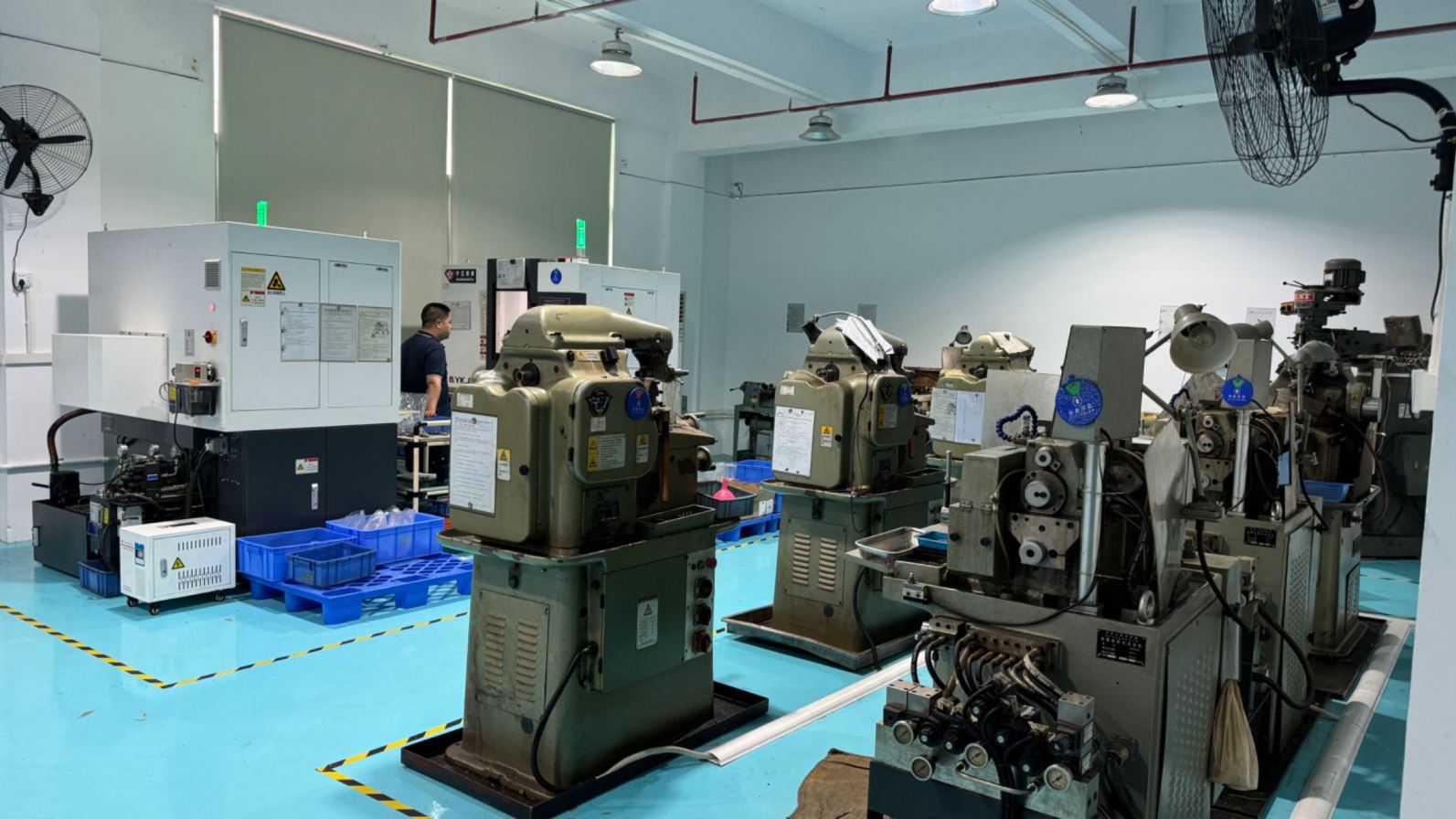
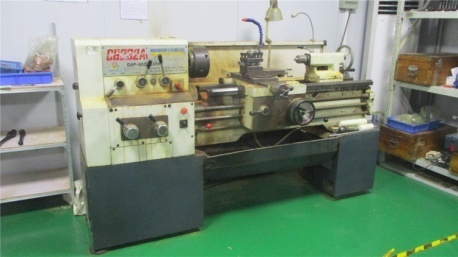
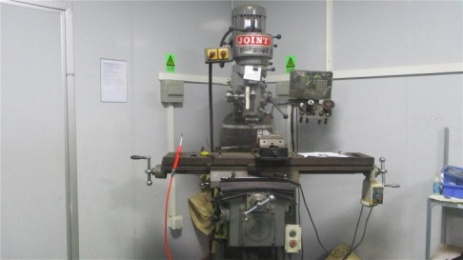
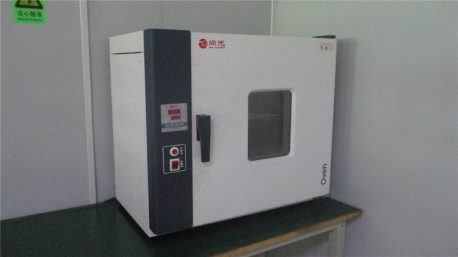
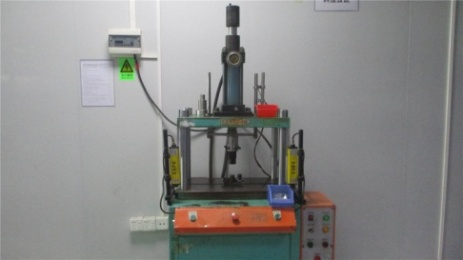
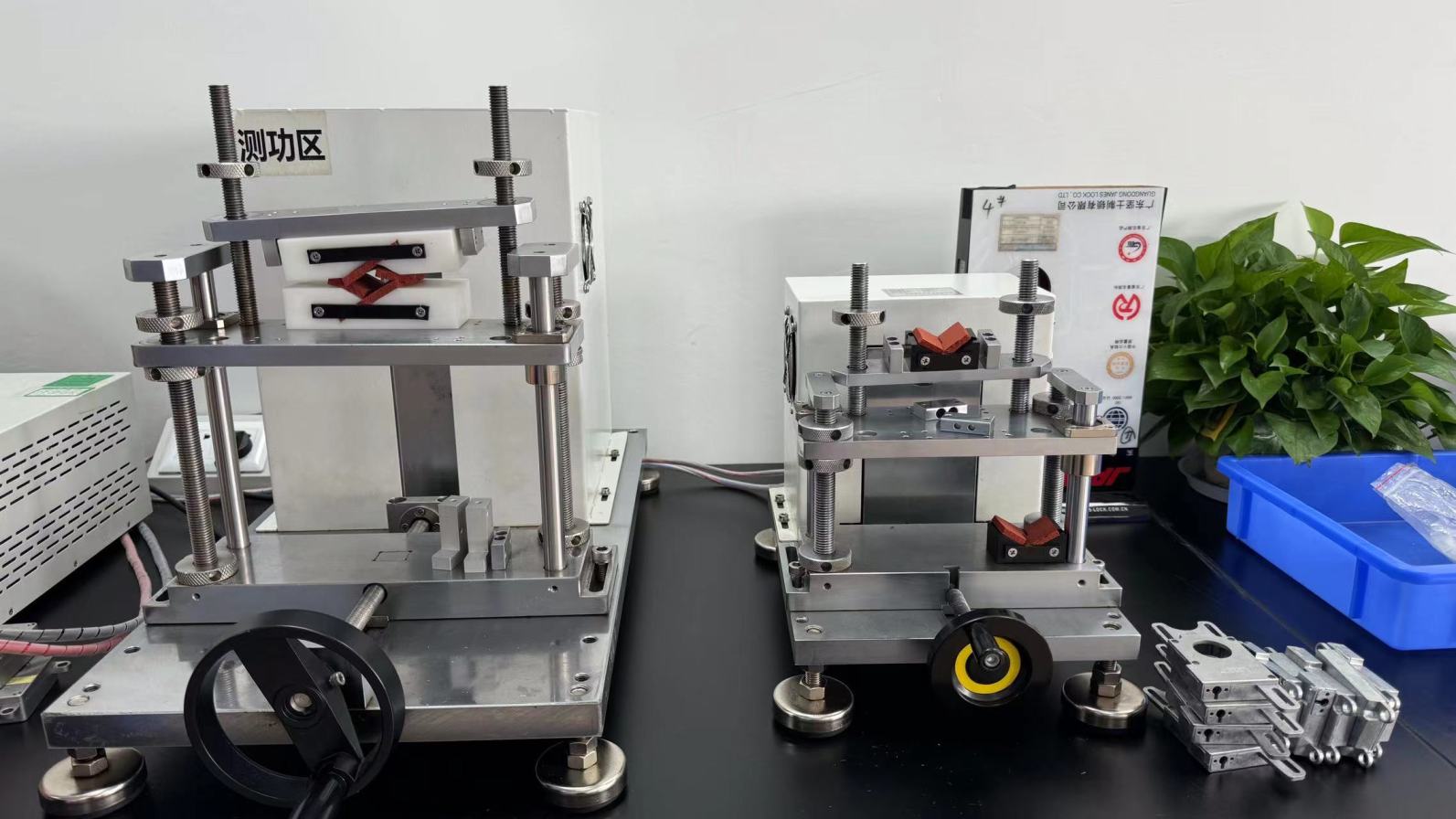
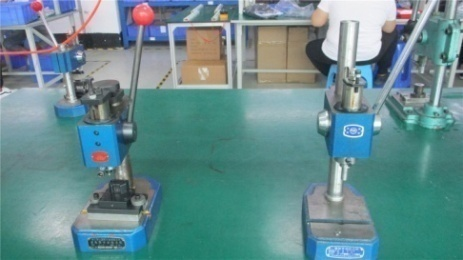
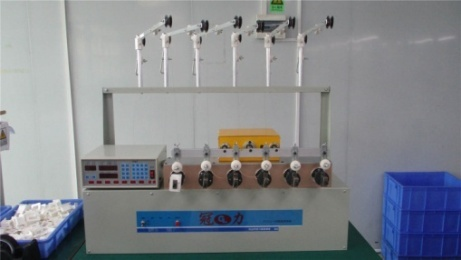
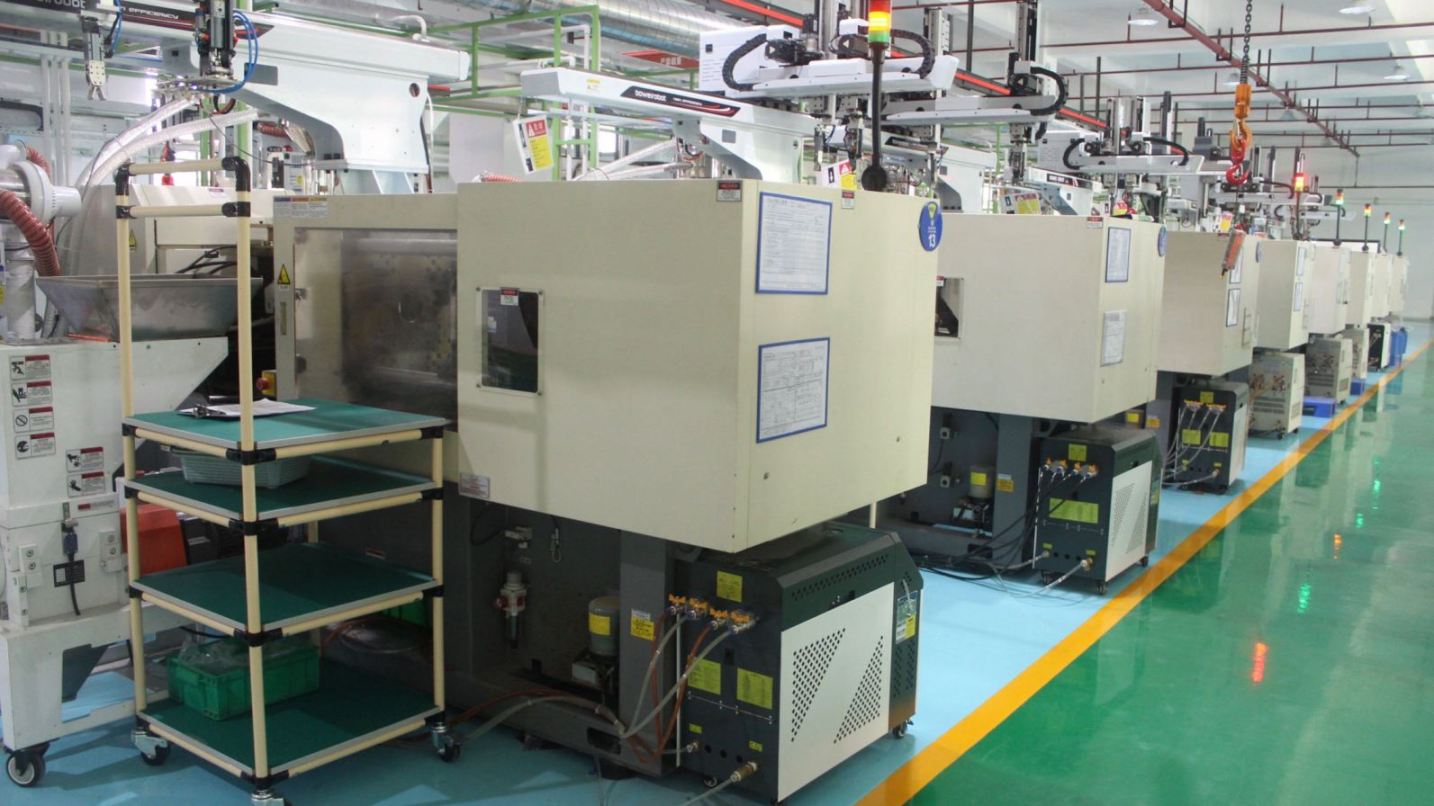
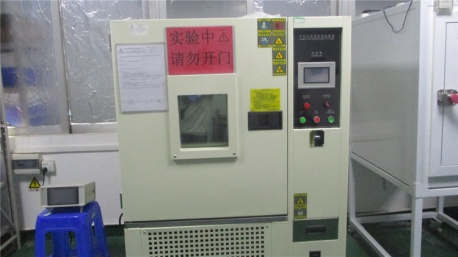
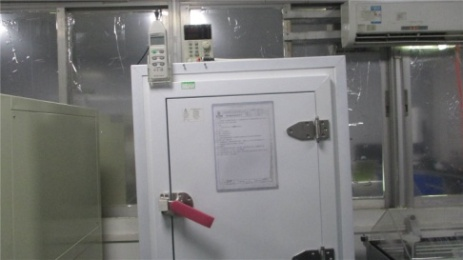
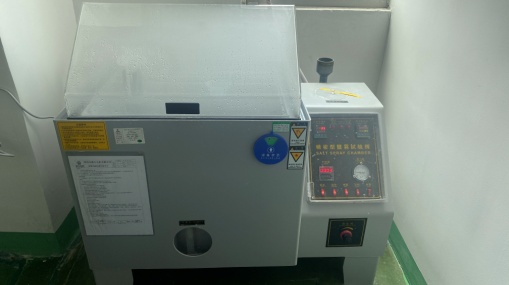
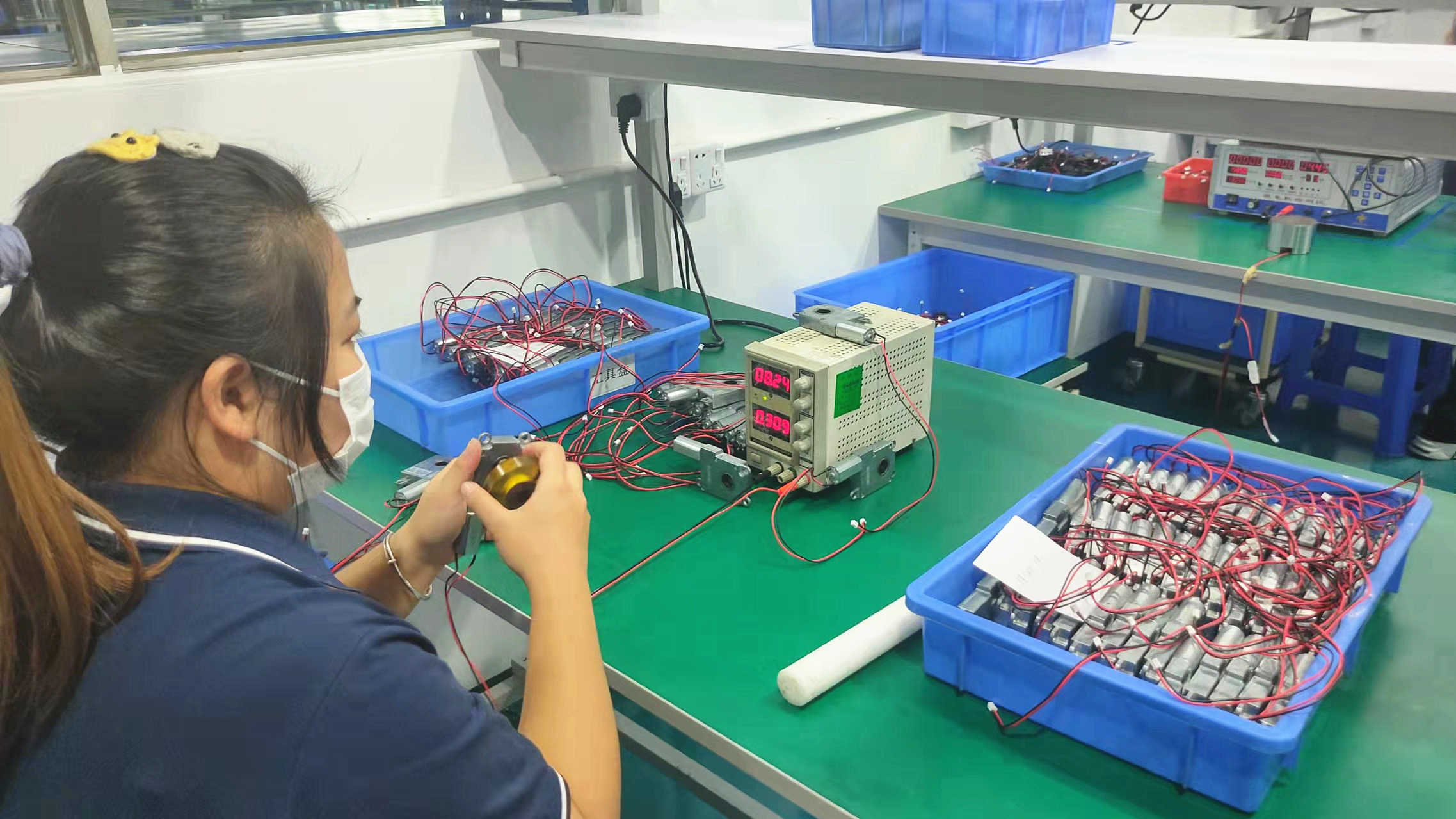
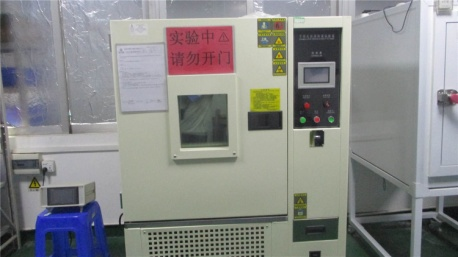
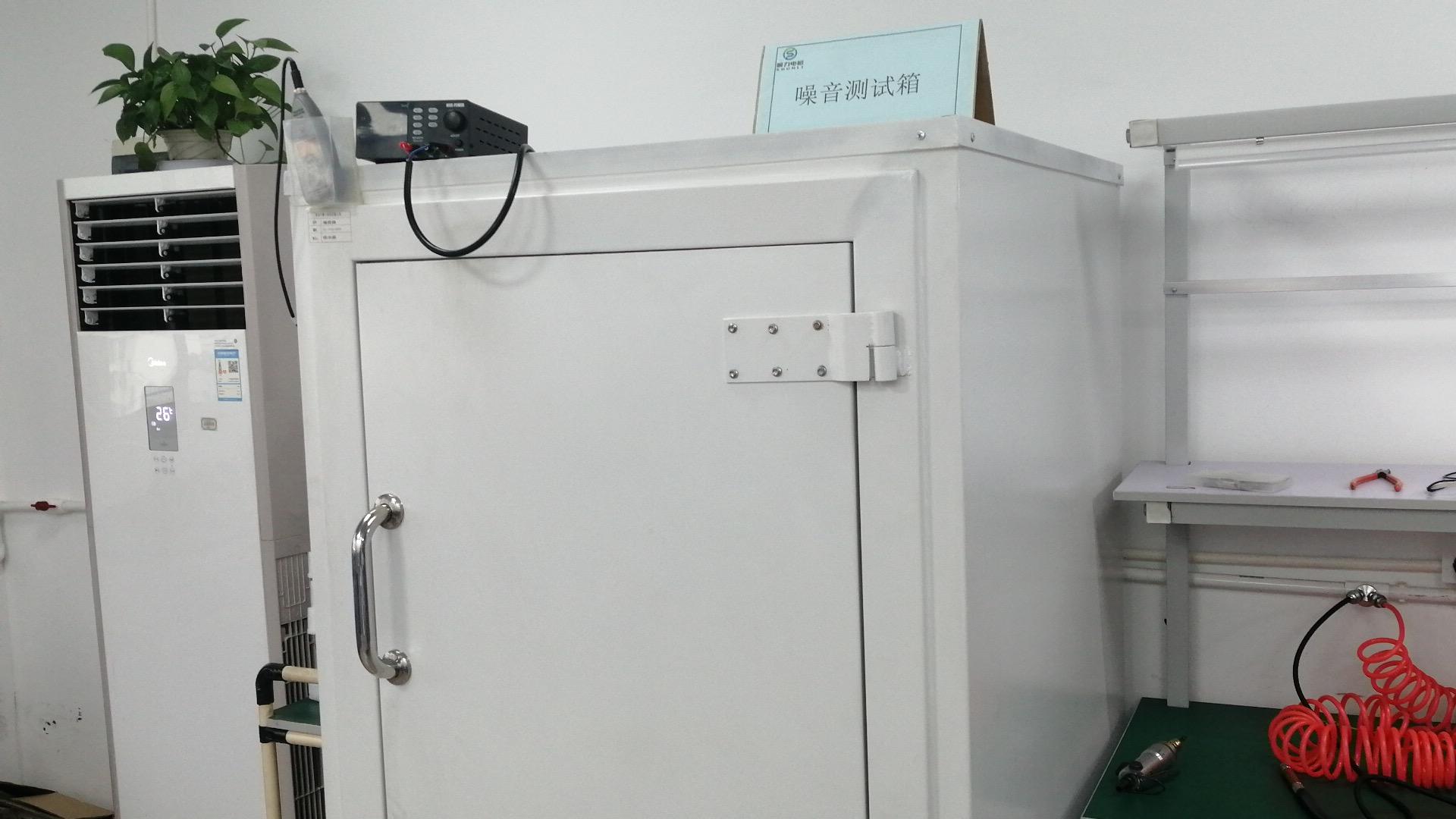
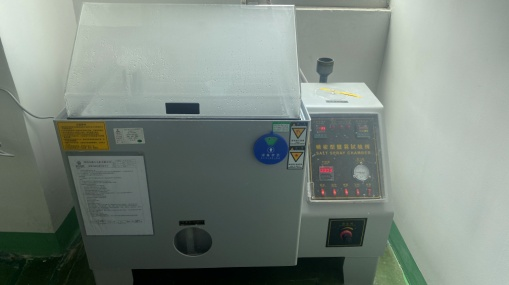
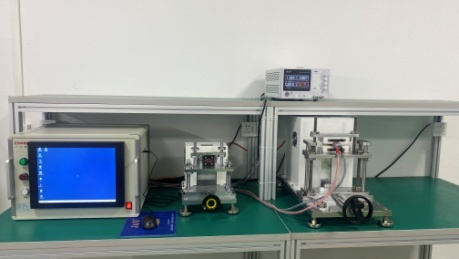
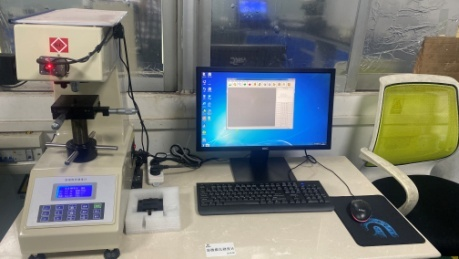
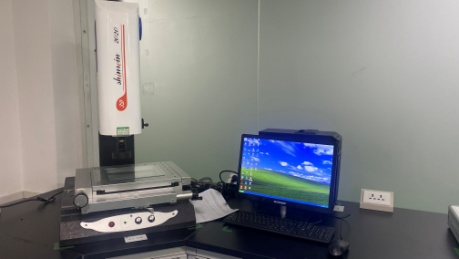
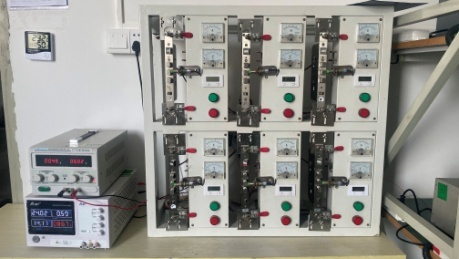
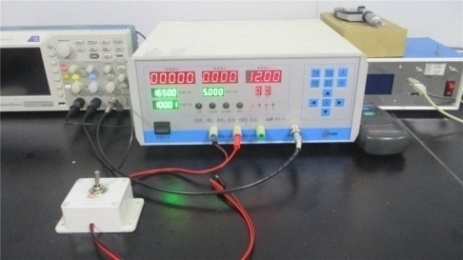
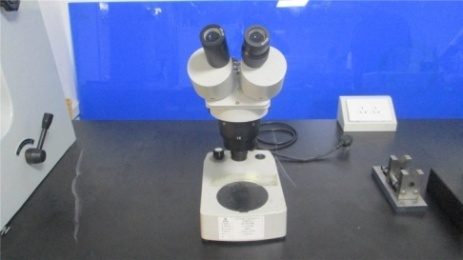
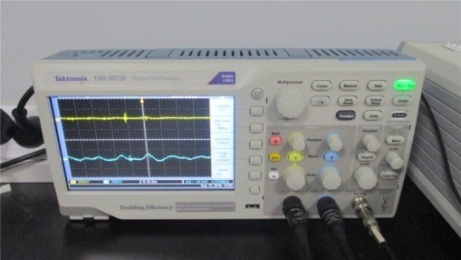
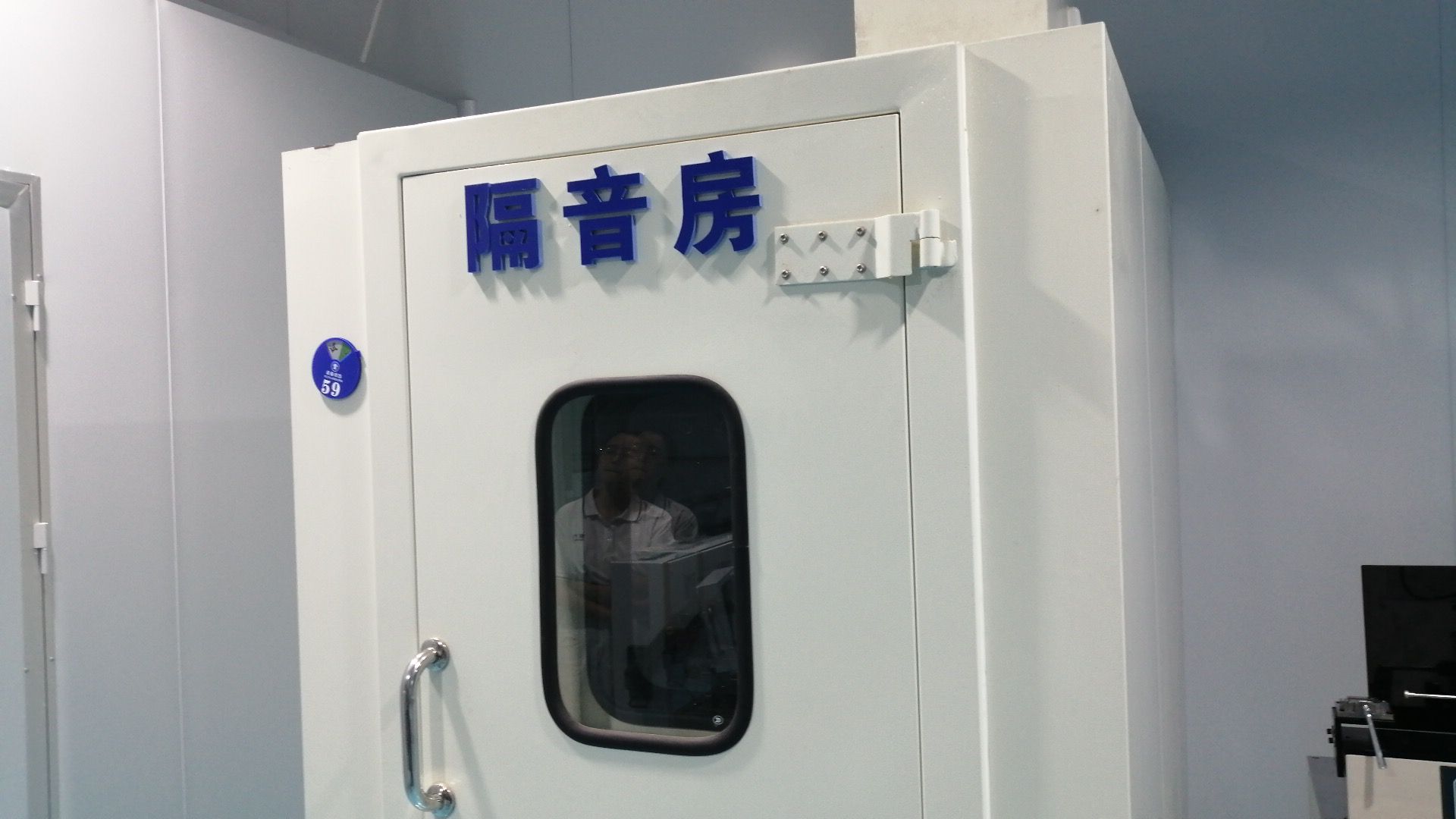
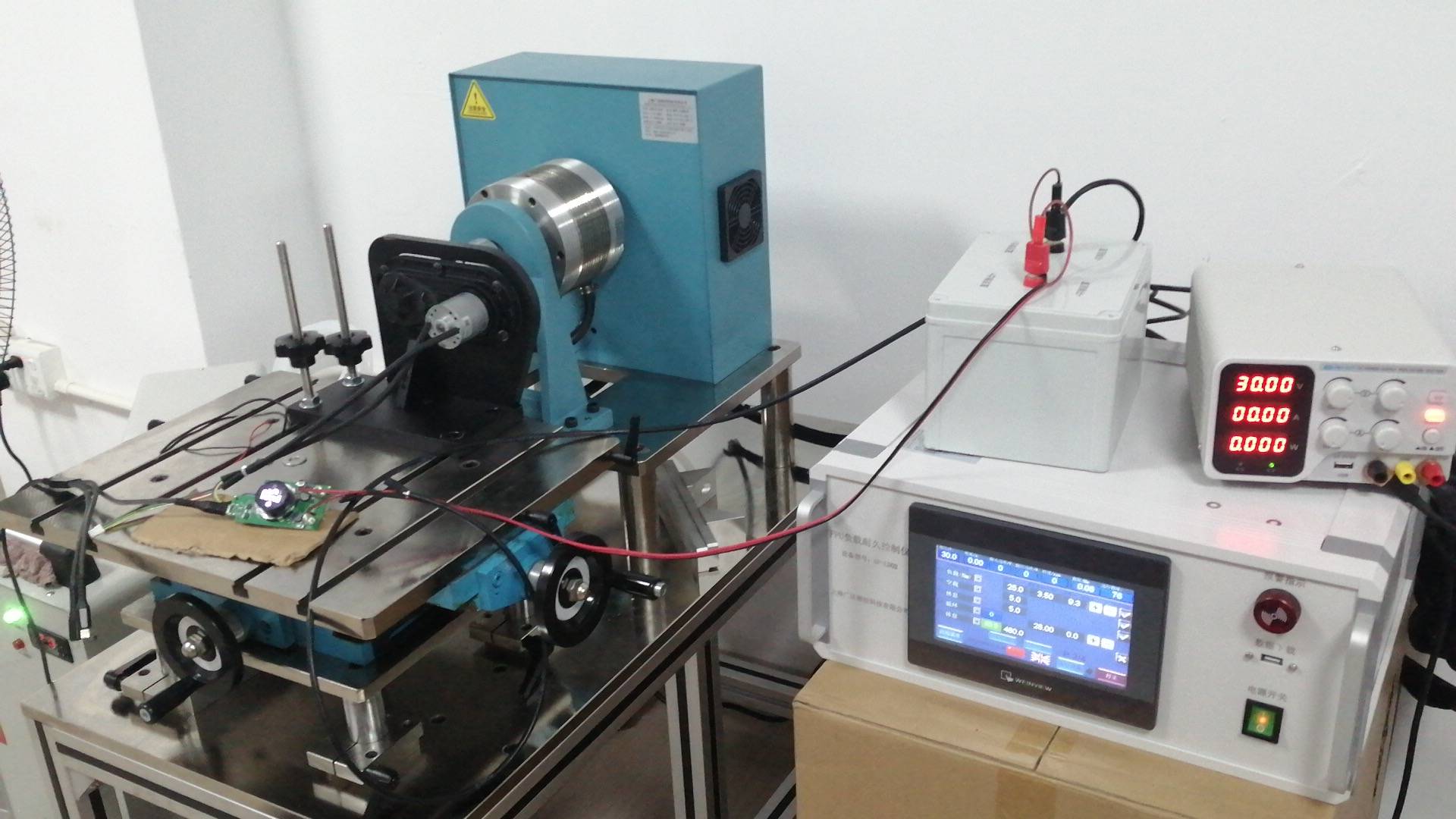
Manufacturing custom AC gear motors and micro synchronous drives requires access to specialized industrial ecosystems. Operating in China's manufacturing clusters allows Strata Motor to source high-grade raw materials—such as high-permeability electrical steel sheets, temperature-stable permanent magnets, and high-purity copper windings—at optimized costs.
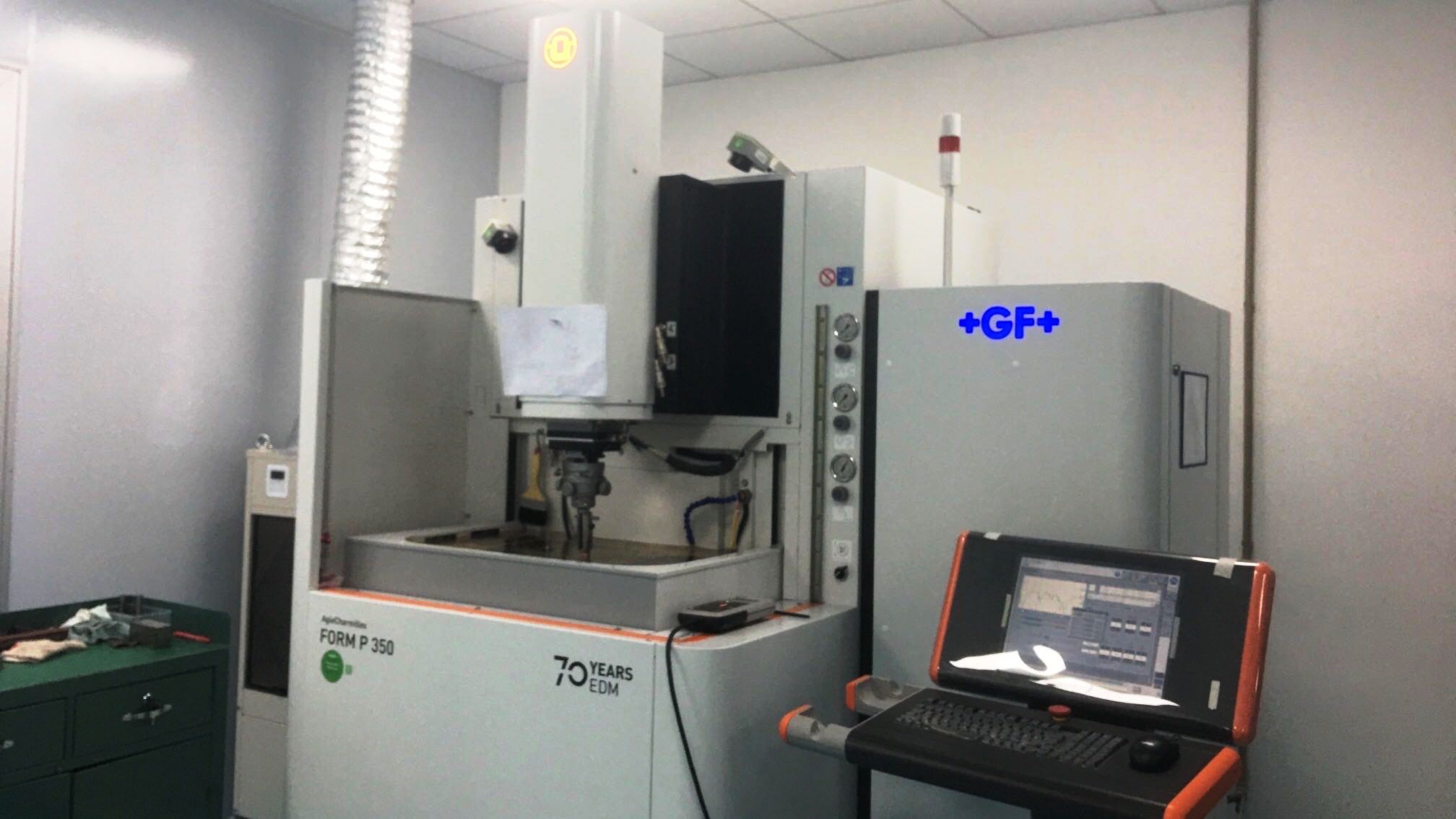
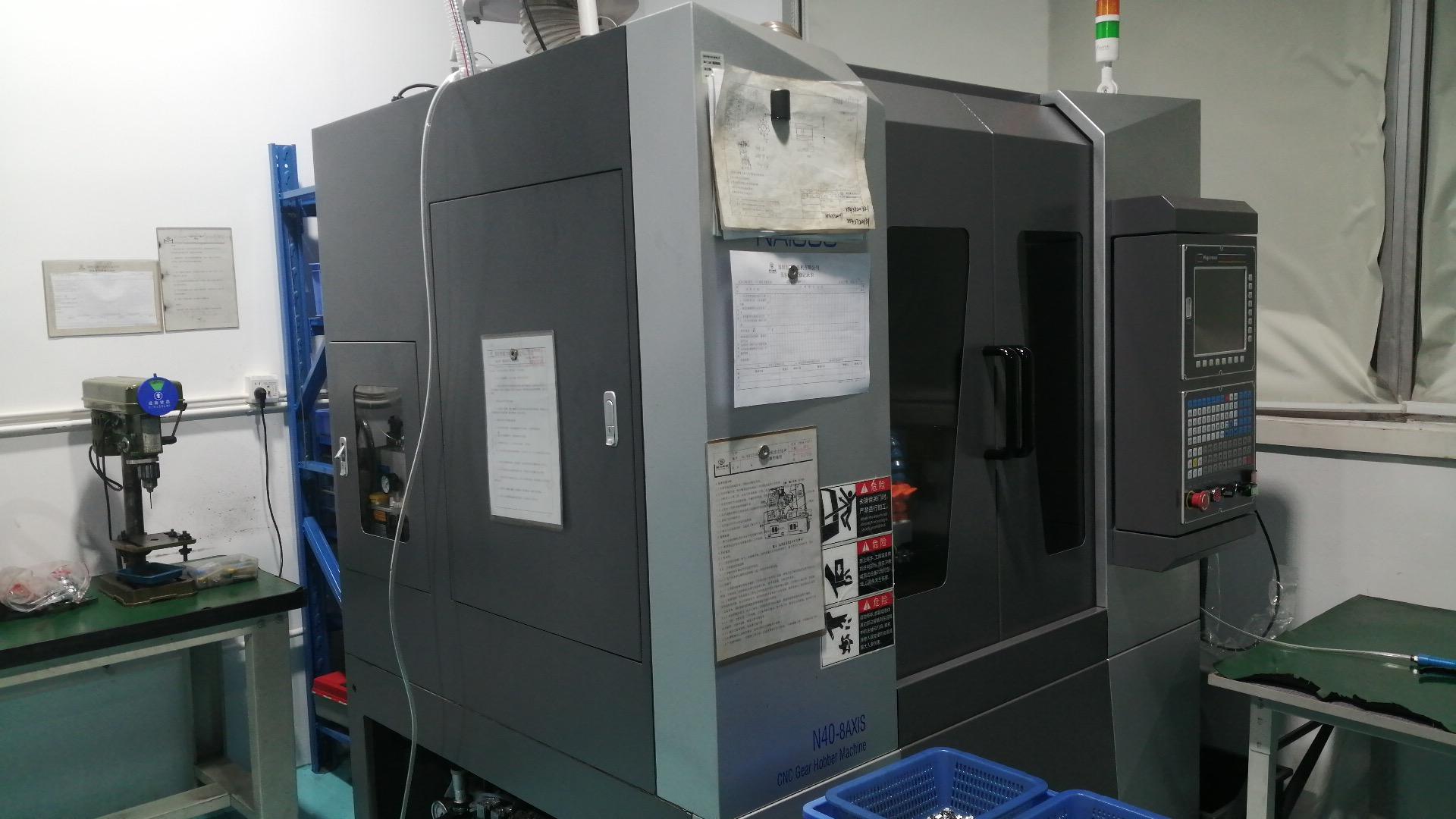
This localized integration allows us to keep tooling costs low and lead times short, helping our customers transition from prototype approvals to container-scale manufacturing more quickly. Our in-house machinery, including high-speed gear hobbing systems and EDM wire cutting equipment, allows us to build complex gear assemblies without relying on external fabricators.
By maintaining complete control over our machining and quality processes, we help eliminate issues like shaft eccentricity and gearbox backlash, providing reliable performance for demanding industrial applications.
For global engineering firms, compliance is a non-negotiable requirement. Strata Motor designs and manufactures products in alignment with key international safety, environmental, and technical standards.
| Standard Category | Underlying Requirements | Strata Motor Implementation Method |
|---|---|---|
| ISO 9001:2015 | Quality Management Systems | Documented design reviews, statistical process control (SPC), traceable material tracking, and automated end-of-line quality checks. |
| CE / Low Voltage Directive | Safety guidelines for Europe | Dielectric insulation testing, leakage current limitations, and proper grounding designs built into every single-phase and three-phase motor. |
| RoHS / REACH | Hazardous Material Restraints | All parts—including varnishes, leads, insulation tapes, and metal parts—are certified free of heavy metals and SVHCs. |
| UL 1004 (On Request) | North American Safety Standards | Winding designs use UL-recognized Class B, F, or H insulation materials to ensure thermal reliability. |
To complement our regulatory testing, we offer localized support options for our partners. We coordinate directly with your regional engineering teams to handle technical revisions, share performance data, and resolve integration challenges.
The industrial motion control landscape is undergoing significant shifts toward higher efficiency, quieter operation, and compact form factors. Designers are focusing on: