Strata Motor
Strata Motor
Strata Motor
Direct-from-source precision motion solutions designed for dynamic applications from medical instruments to automation lines.
Analyzing key micro-motion vectors, procurement paradigms, and technological integrations shaping global industrial supply chains.
The motor controller industry is undergoing a structural paradigm shift driven by high-density electronics, energy conservation policies, and the rise of autonomous systems. In modern industrial automation, the simple conversion of electrical energy to mechanical rotation is no longer sufficient. High-performance controllers must now handle dynamic variables in real-time, utilizing advanced Field Oriented Control (FOC) algorithms and sensorless position estimations.
The transition from silicon-based MOSFETs to Wide Bandgap (WBG) semiconductors like Gallium Nitride (GaN) and Silicon Carbide (SiC) is revolutionizing thermal profiles and power densities. Exporters are increasingly pressured to supply integrated drives that bundle the microcontroller, gate driver, and power stage into micro-form factors. This reduction in footprint enables seamless integration directly into the motor housing, minimizing electromagnetic interference (EMI) and simplifying mechanical design layout for OEM buyers.
B2B procurement agents evaluating top motor controller exporters focus heavily on systemic cost reduction, verified quality assurance, and seamless communication channels. Sourcing managers look beyond simple per-unit costs, analyzing the Total Cost of Ownership (TCO) which incorporates yield rates, warranty returns, and logistics safety margins. To succeed in this landscape, reliable exporters must demonstrate:
Global enterprises are shifting from single-source dependencies to hybrid supply networks. Direct factory collaborations, such as working directly with China-based manufacturing hubs, allow OEMs to bypass intermediary trading margins, ensuring design parameters align perfectly with assembly line outputs.
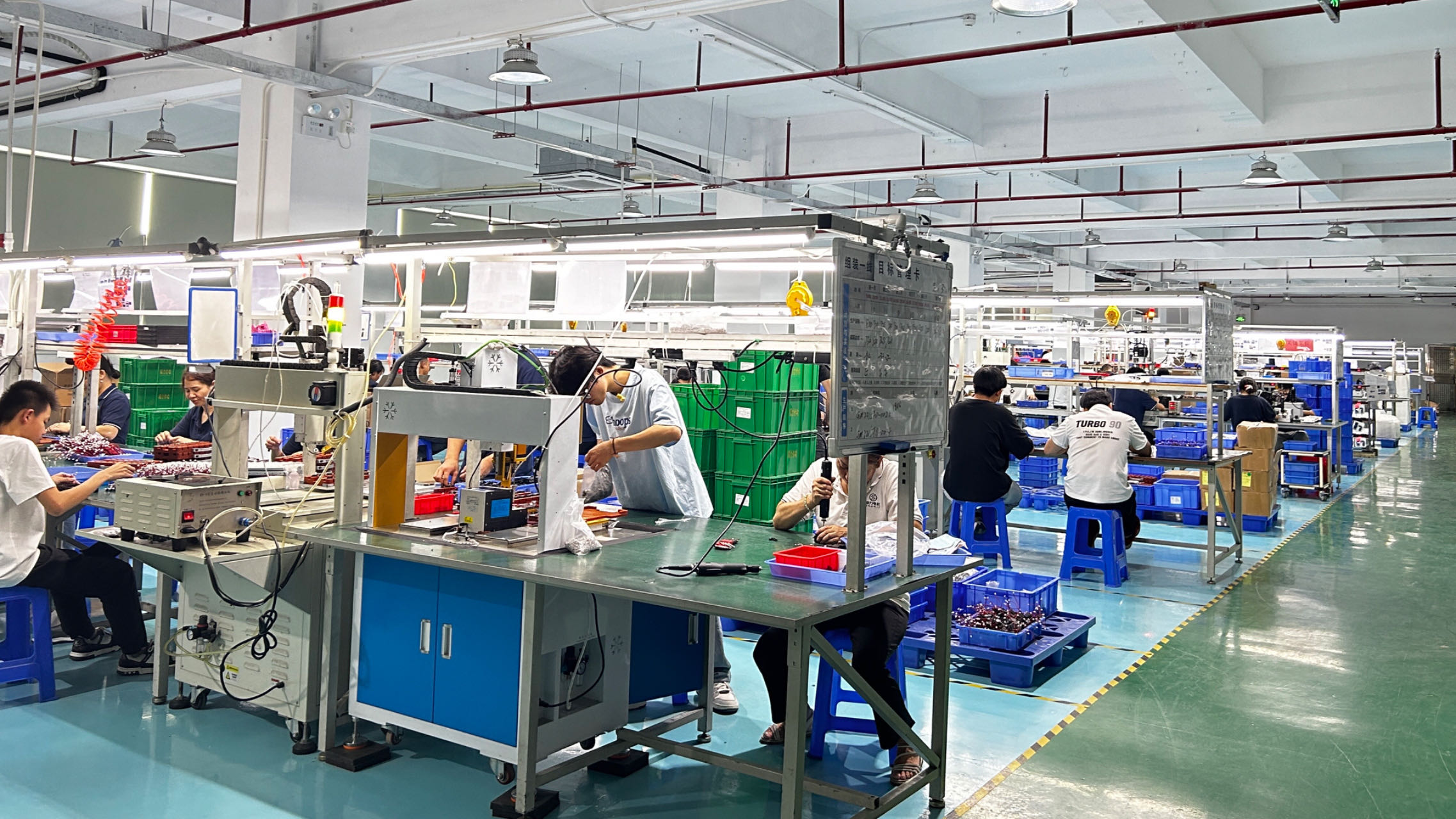
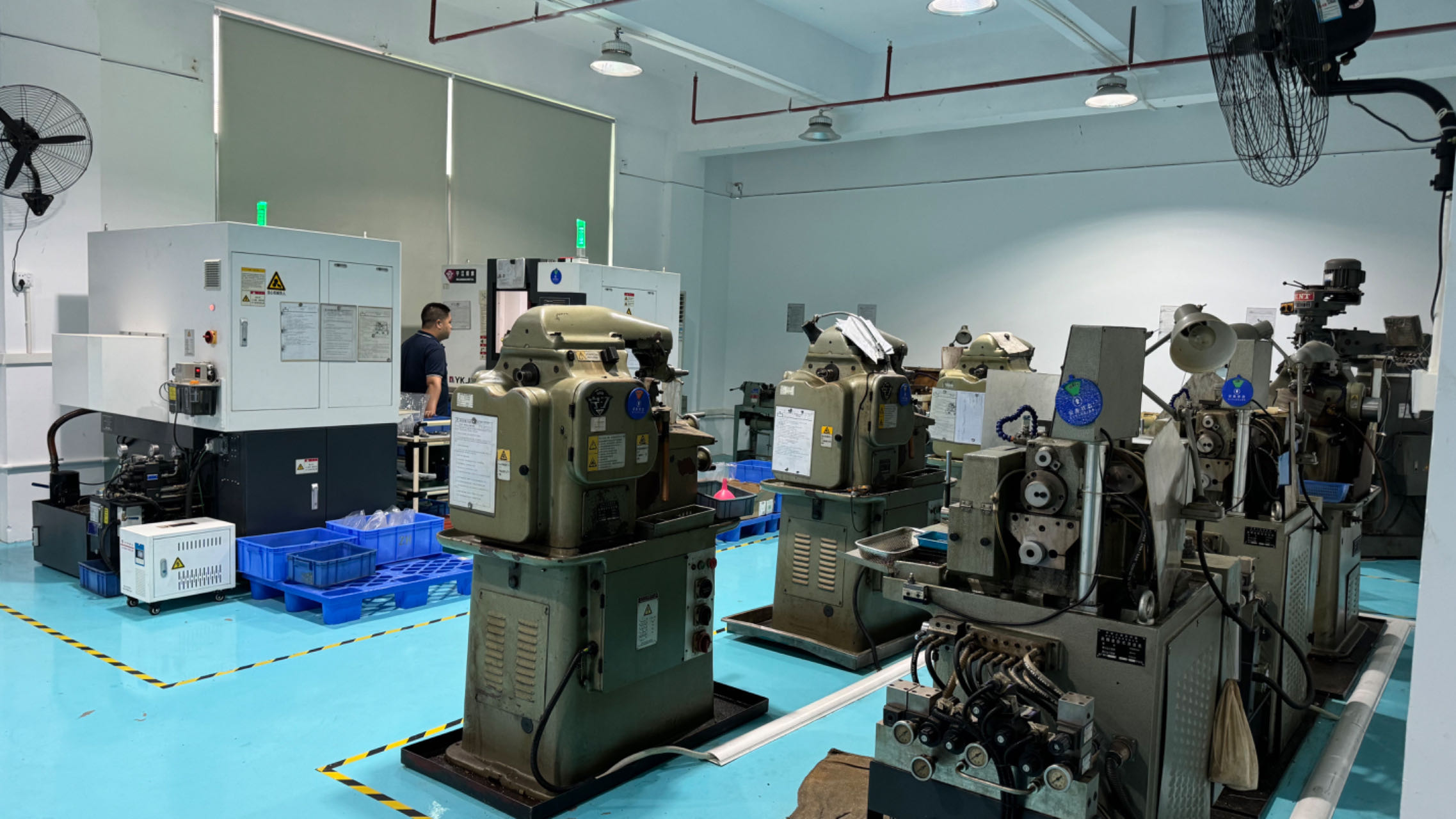
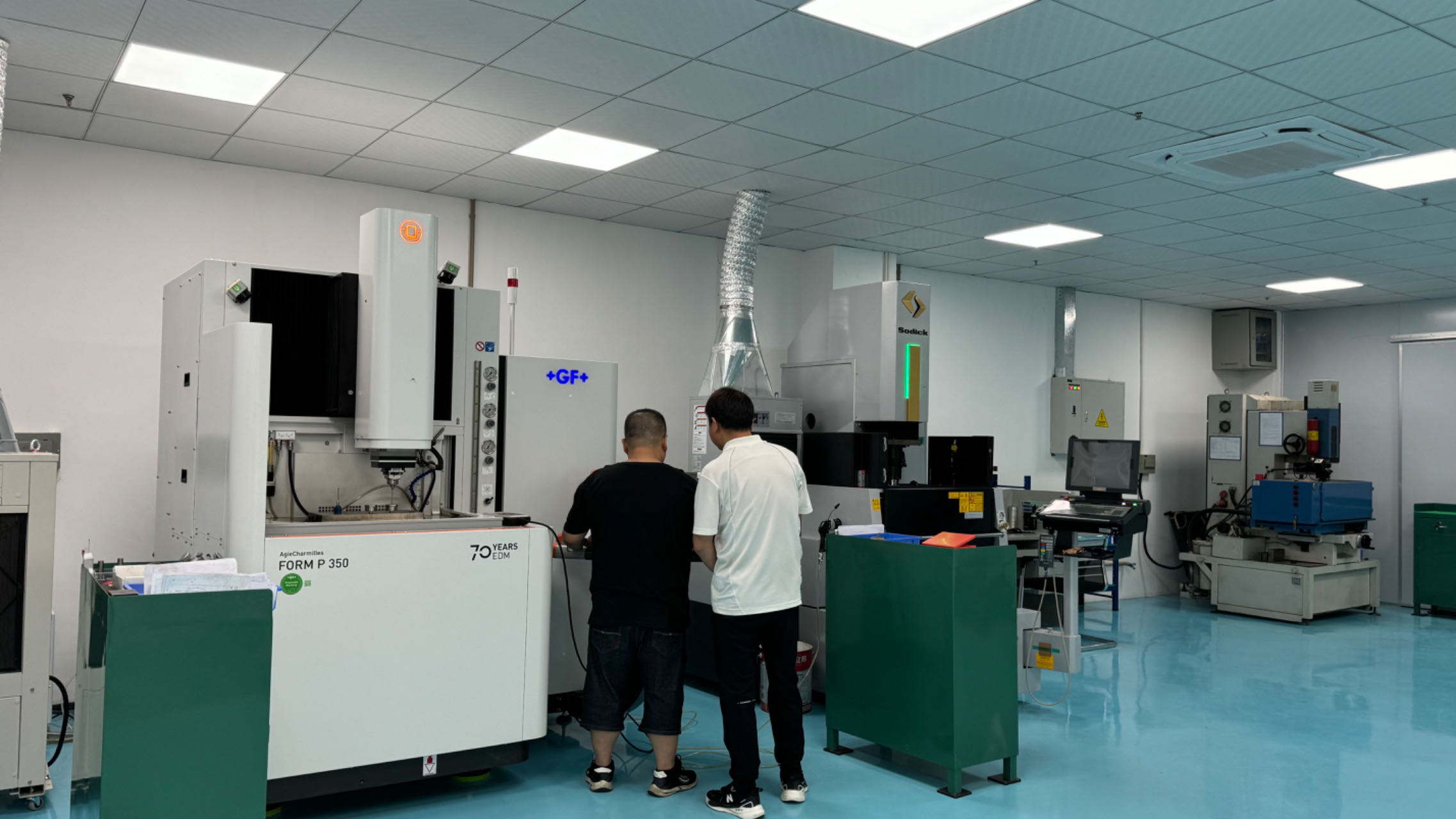
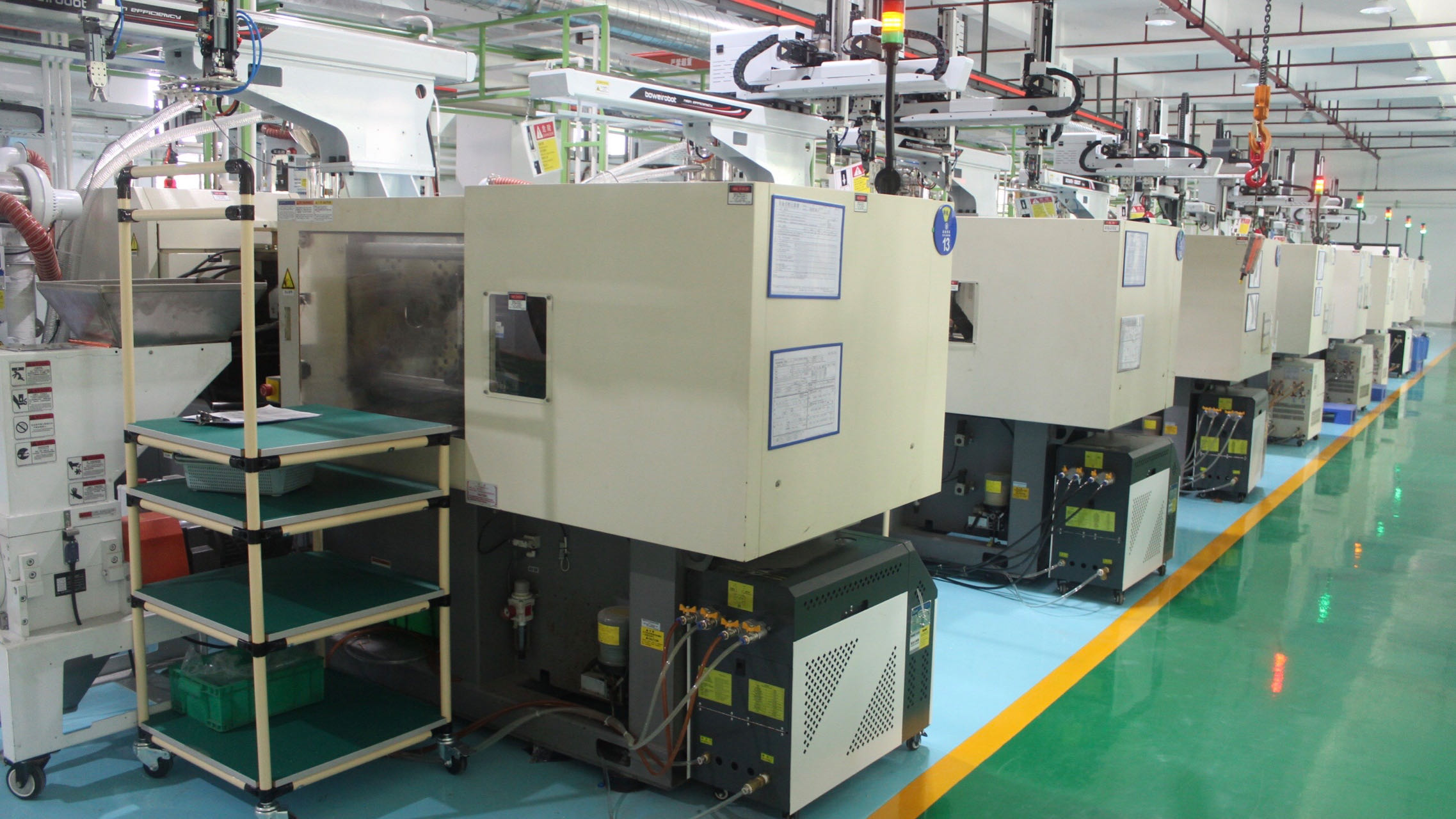
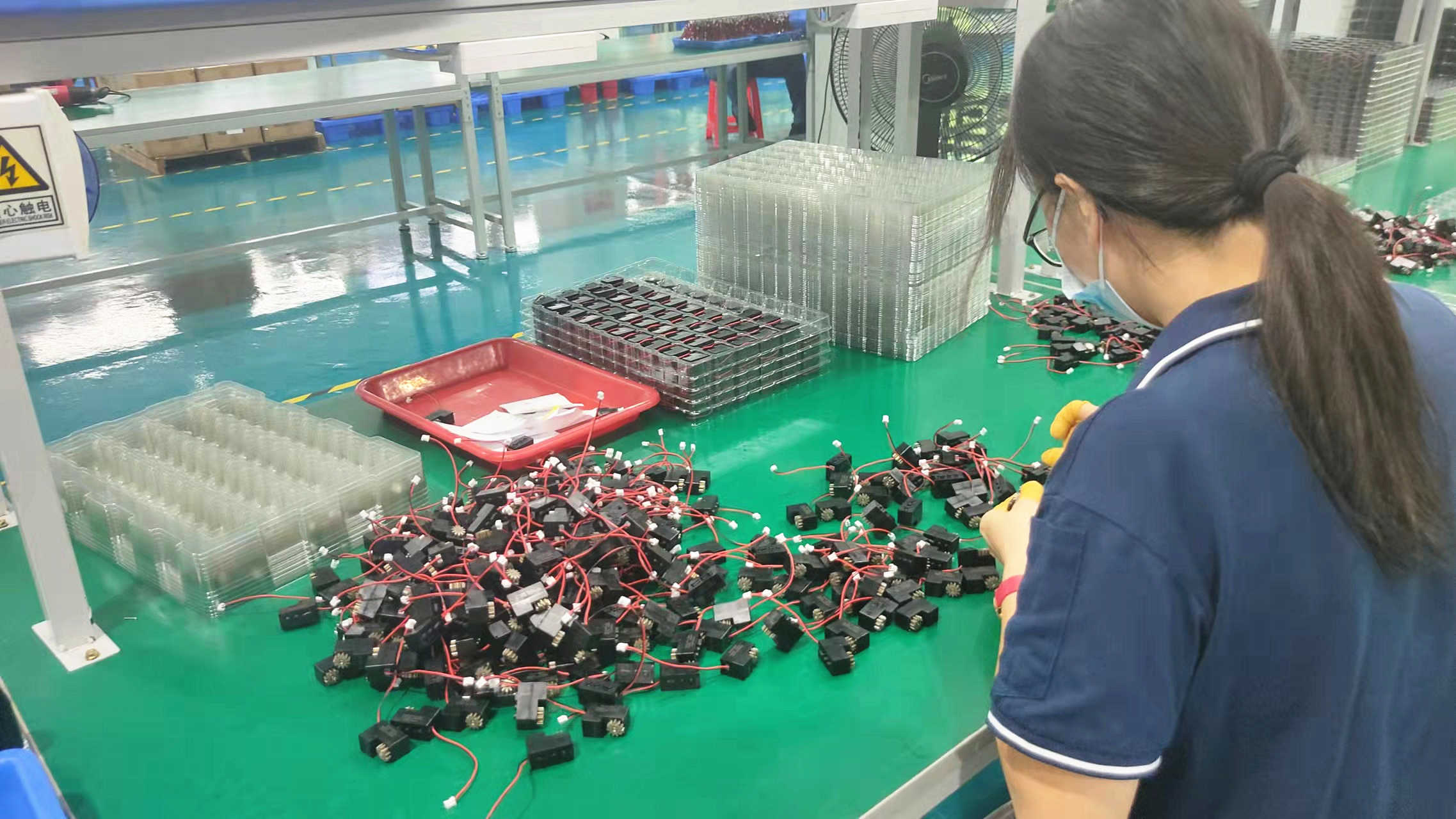
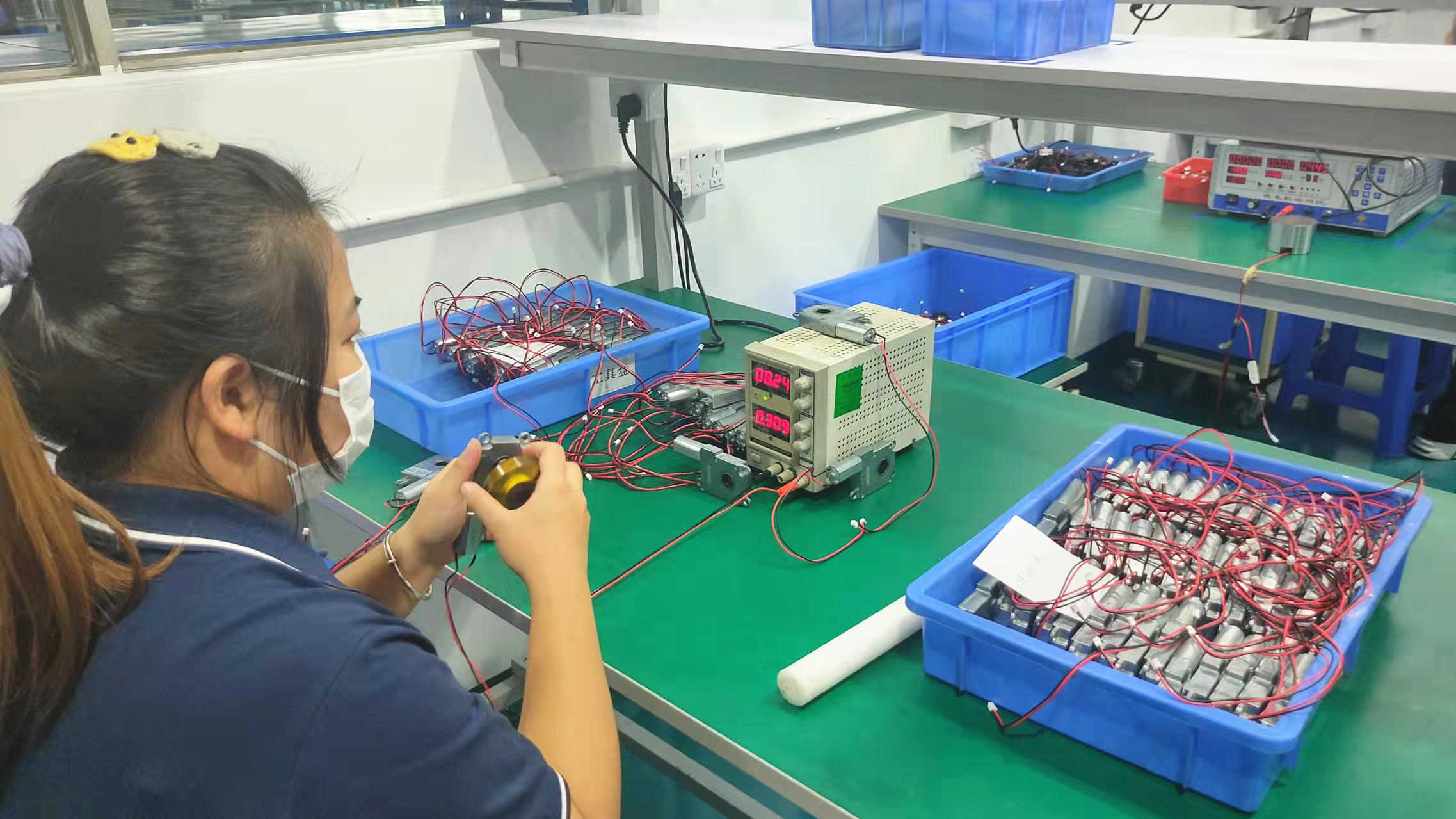
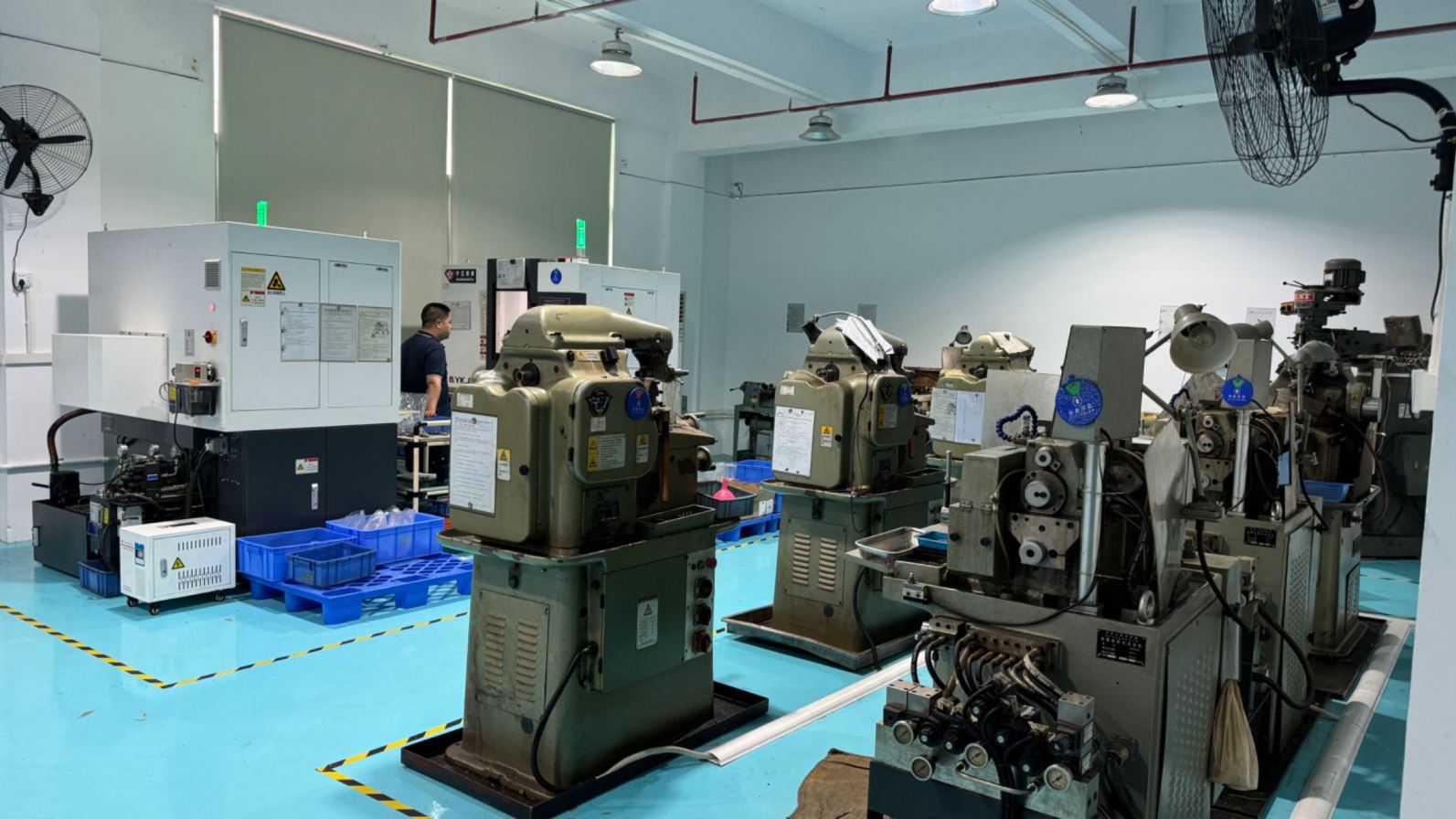
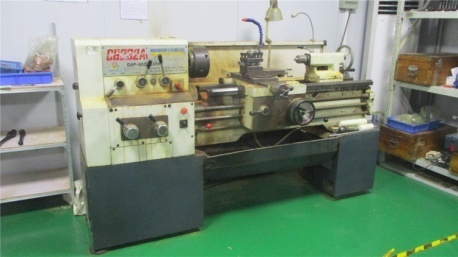
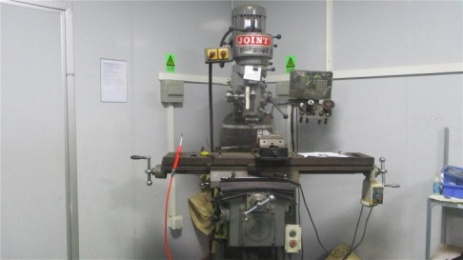
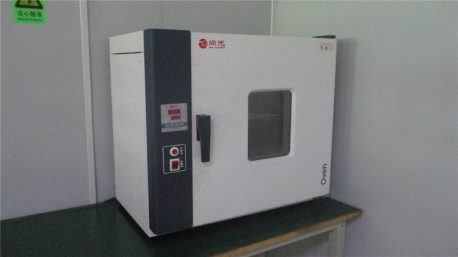
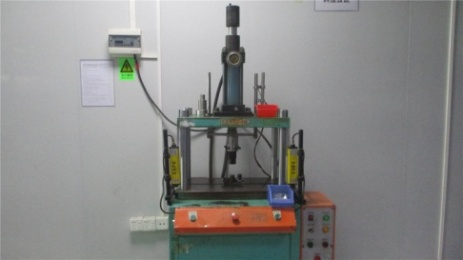
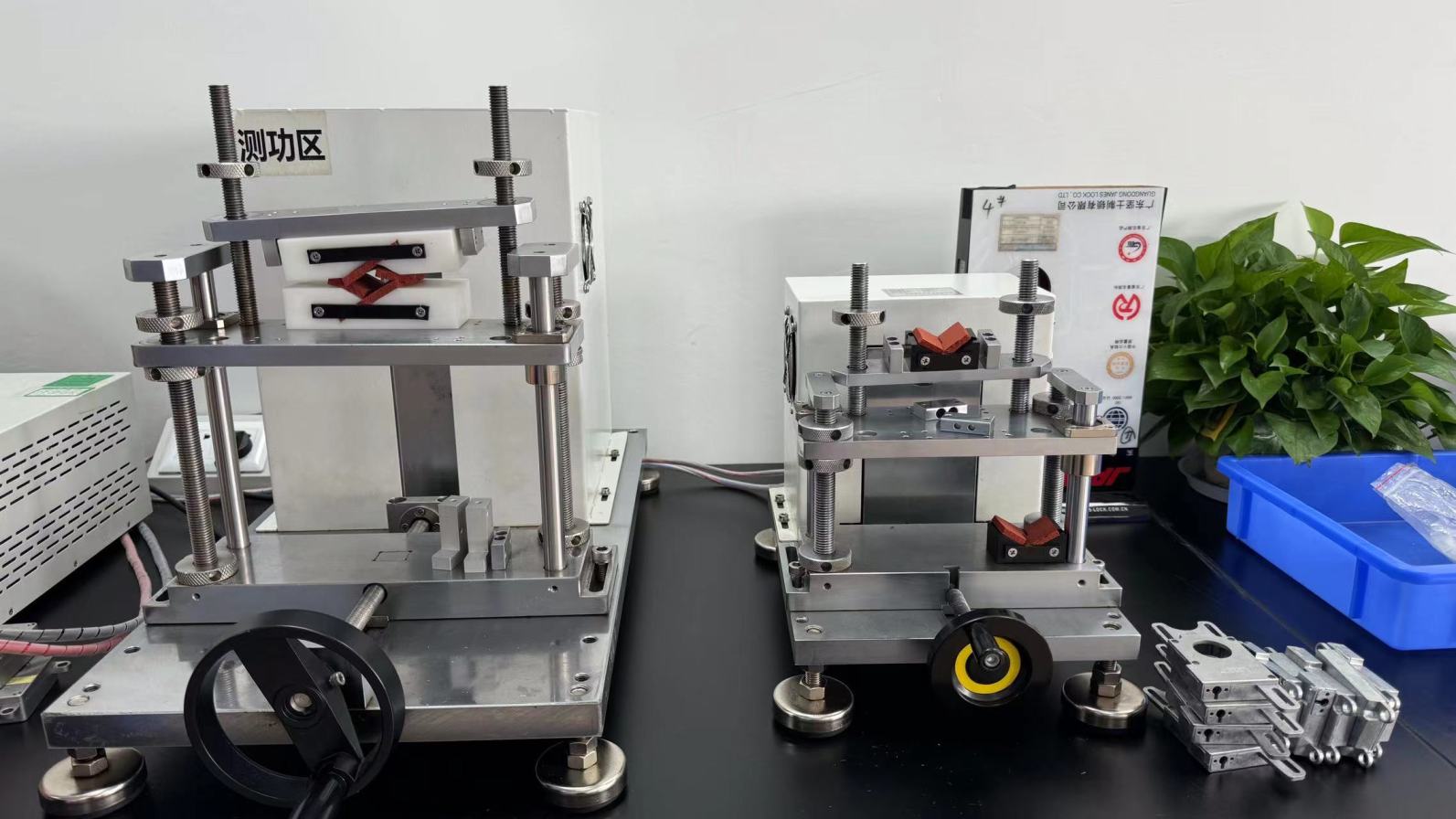
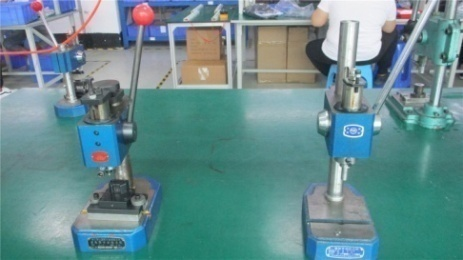
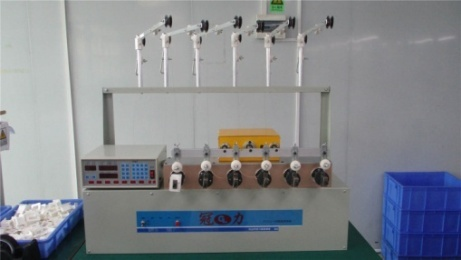
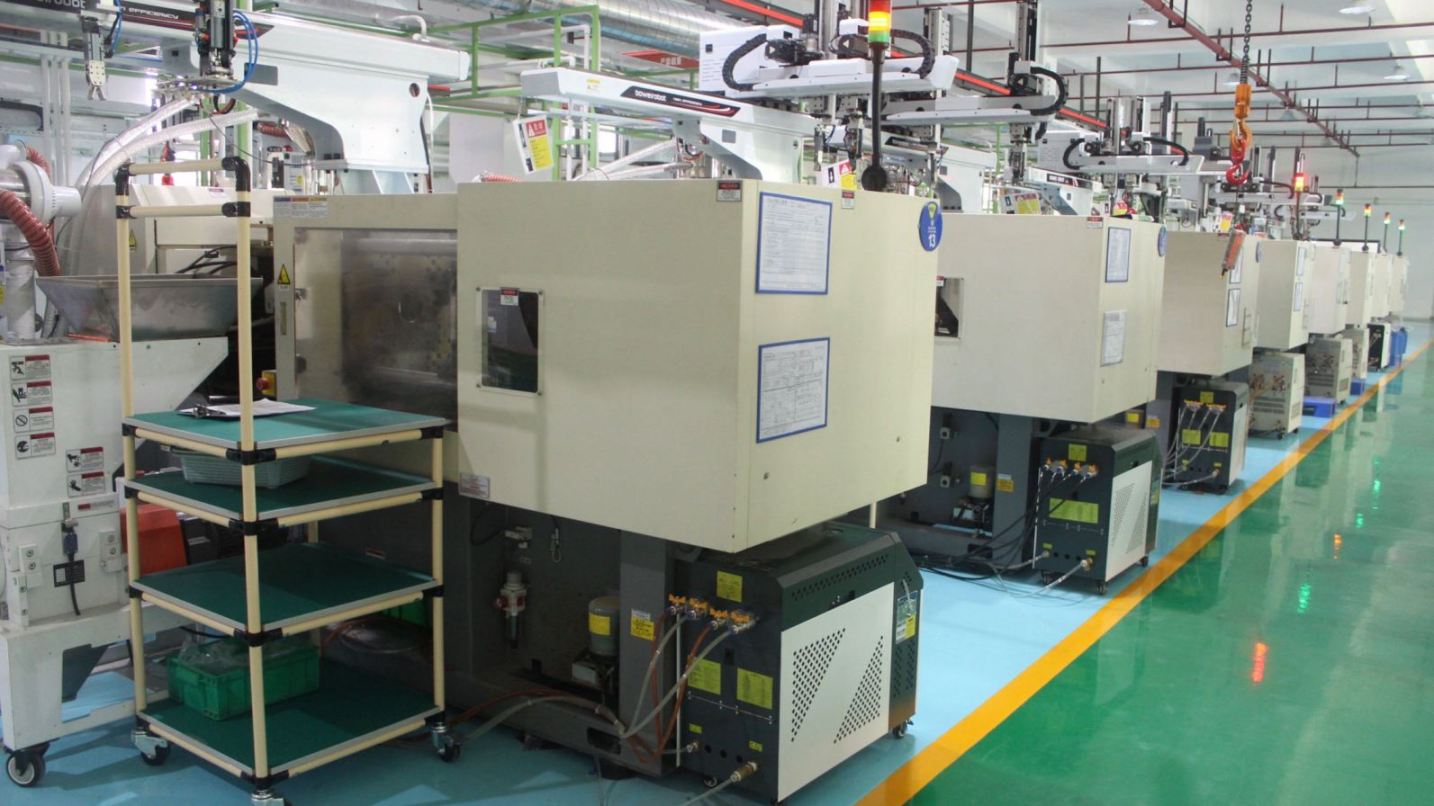
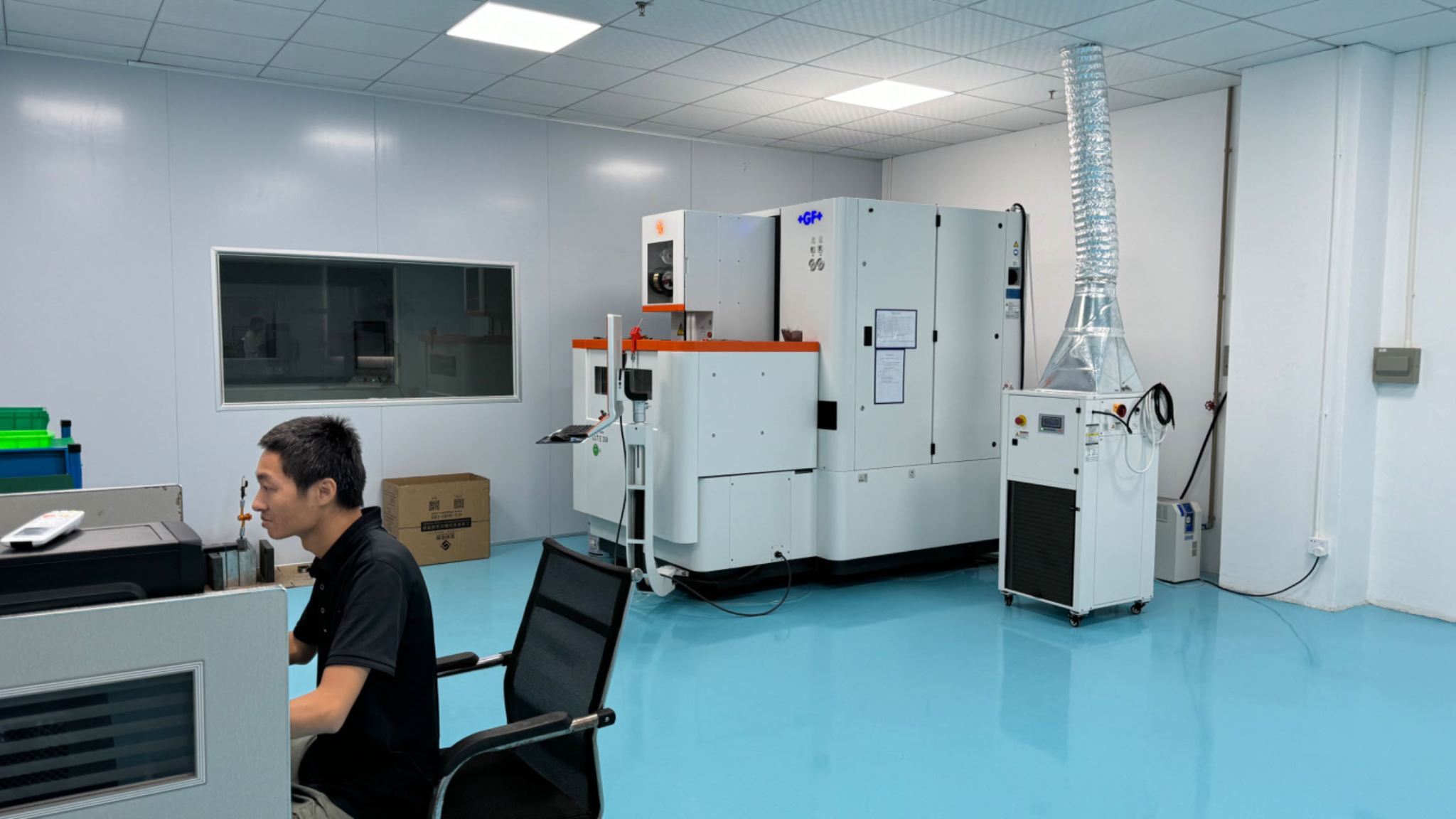
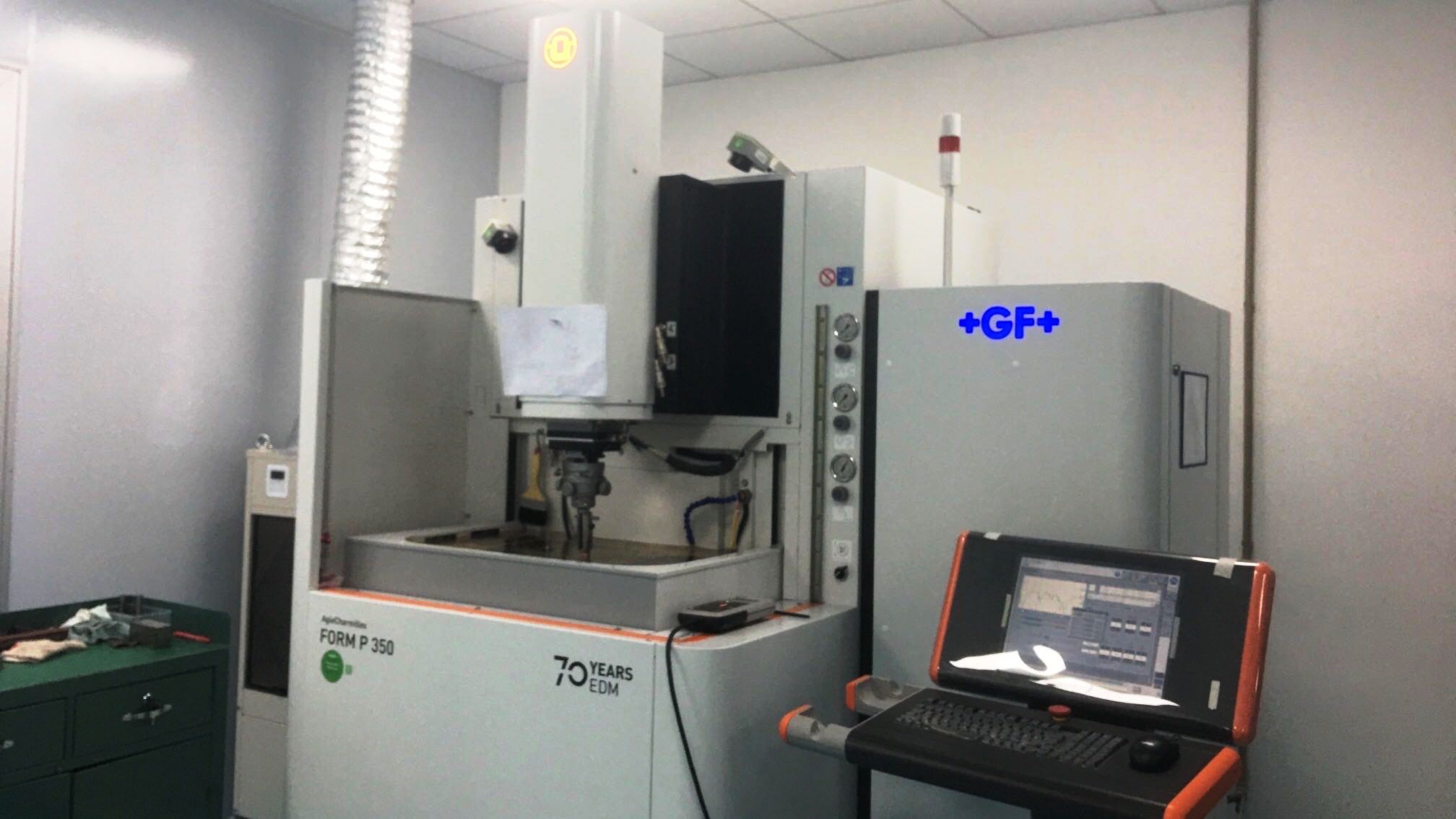
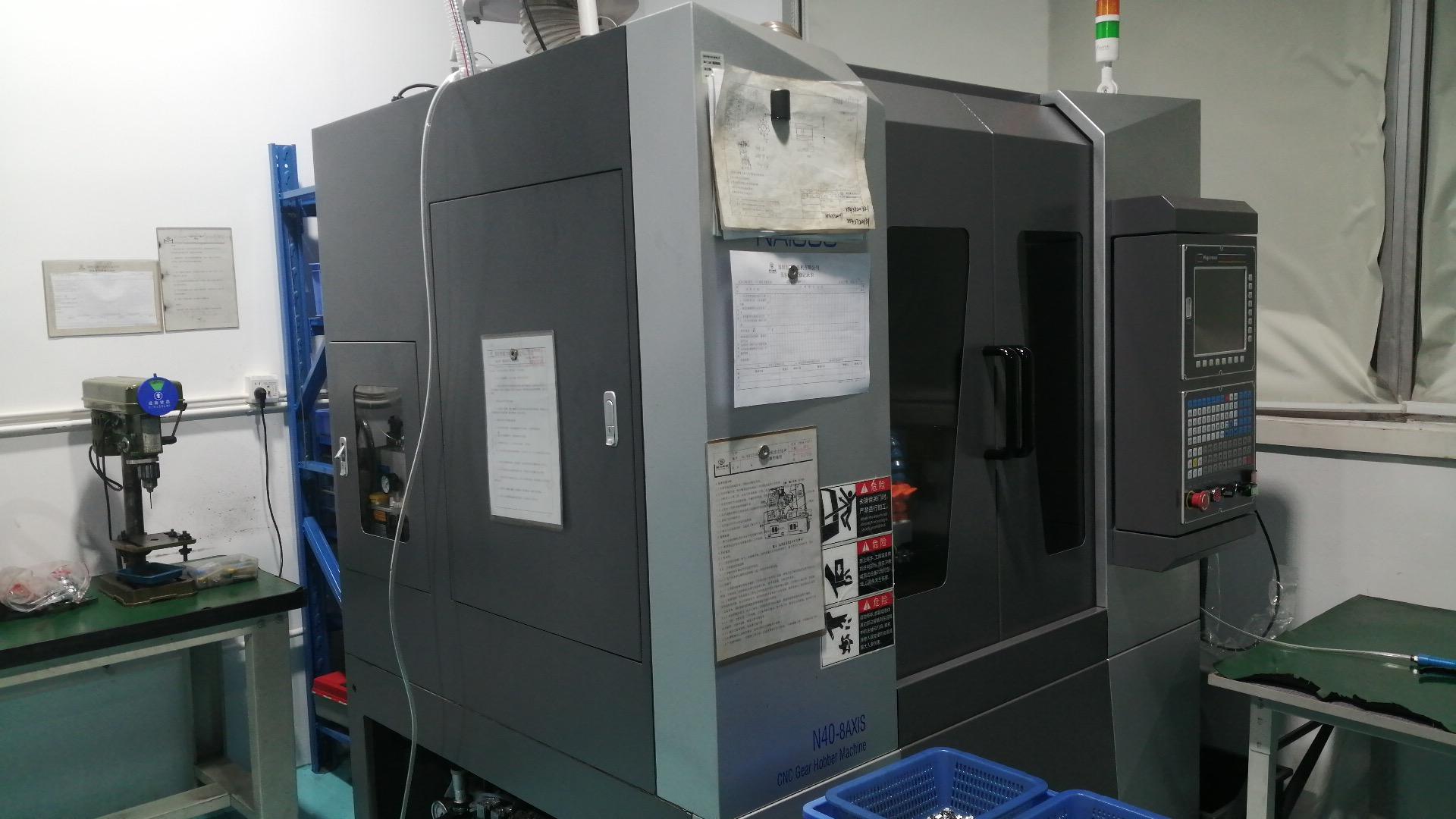
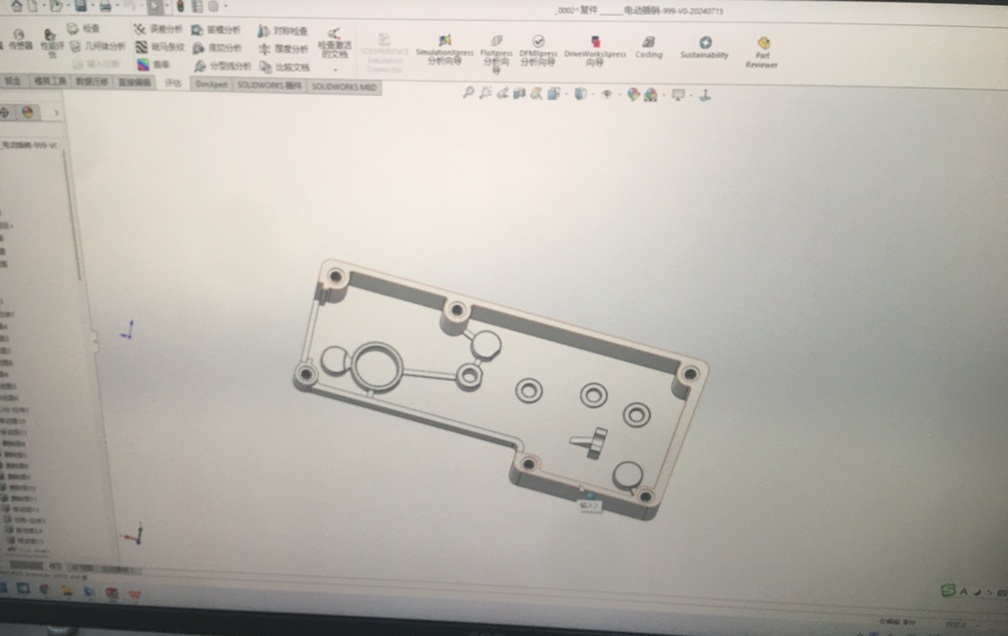
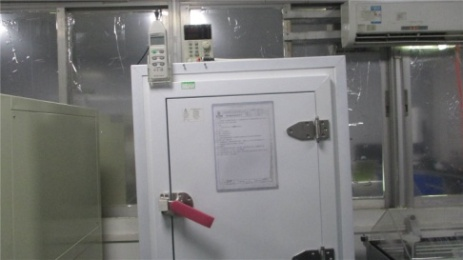
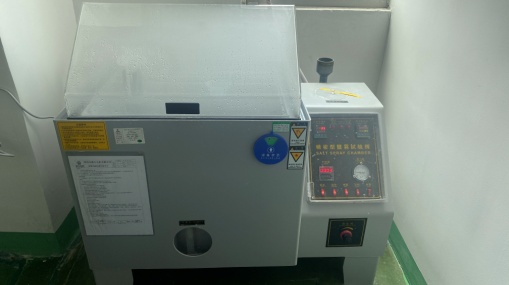
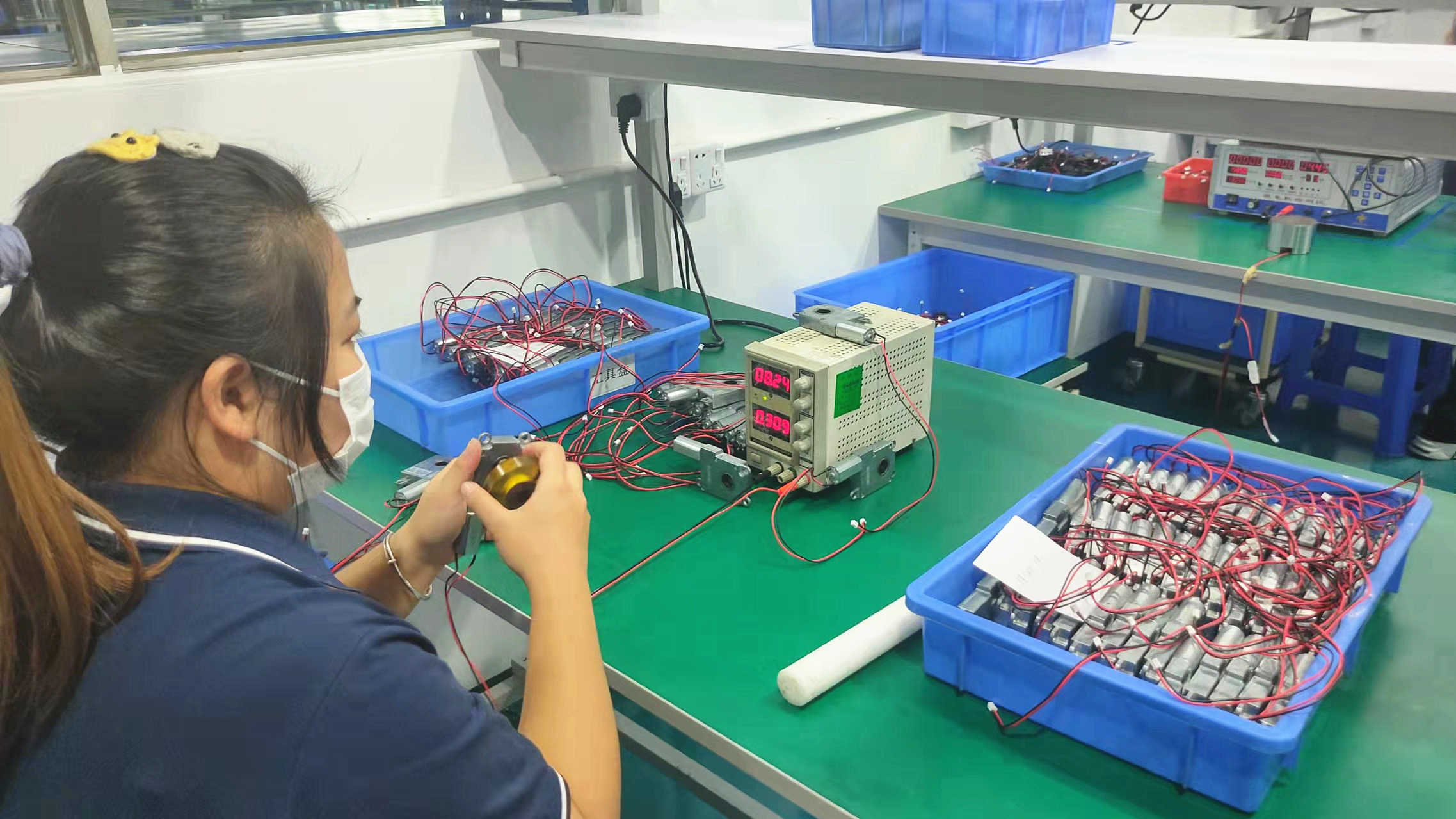
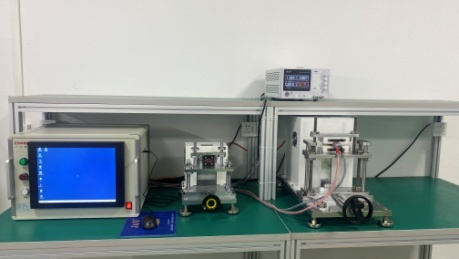
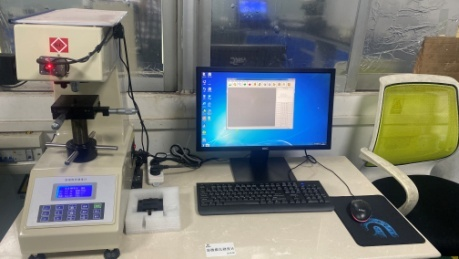
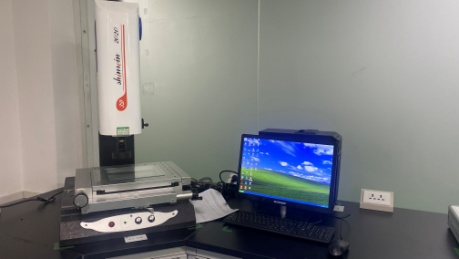
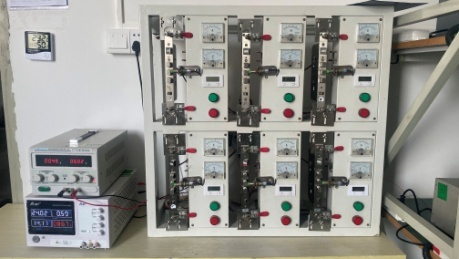
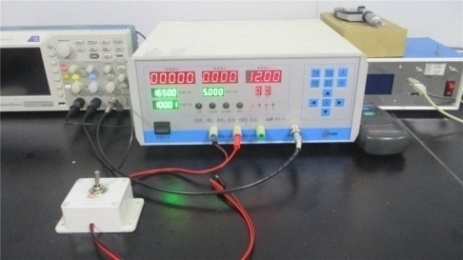
Under China's Factory 4.0 initiative, motor production facilities have evolved from manual assembly operations to highly digitalized, semi-automated ecosystems. By deploying state-of-the-art lathing, milling, and precision winding machinery alongside modern digital testing platforms, manufacturers achieve unmatched consistency and rapid production scaling.
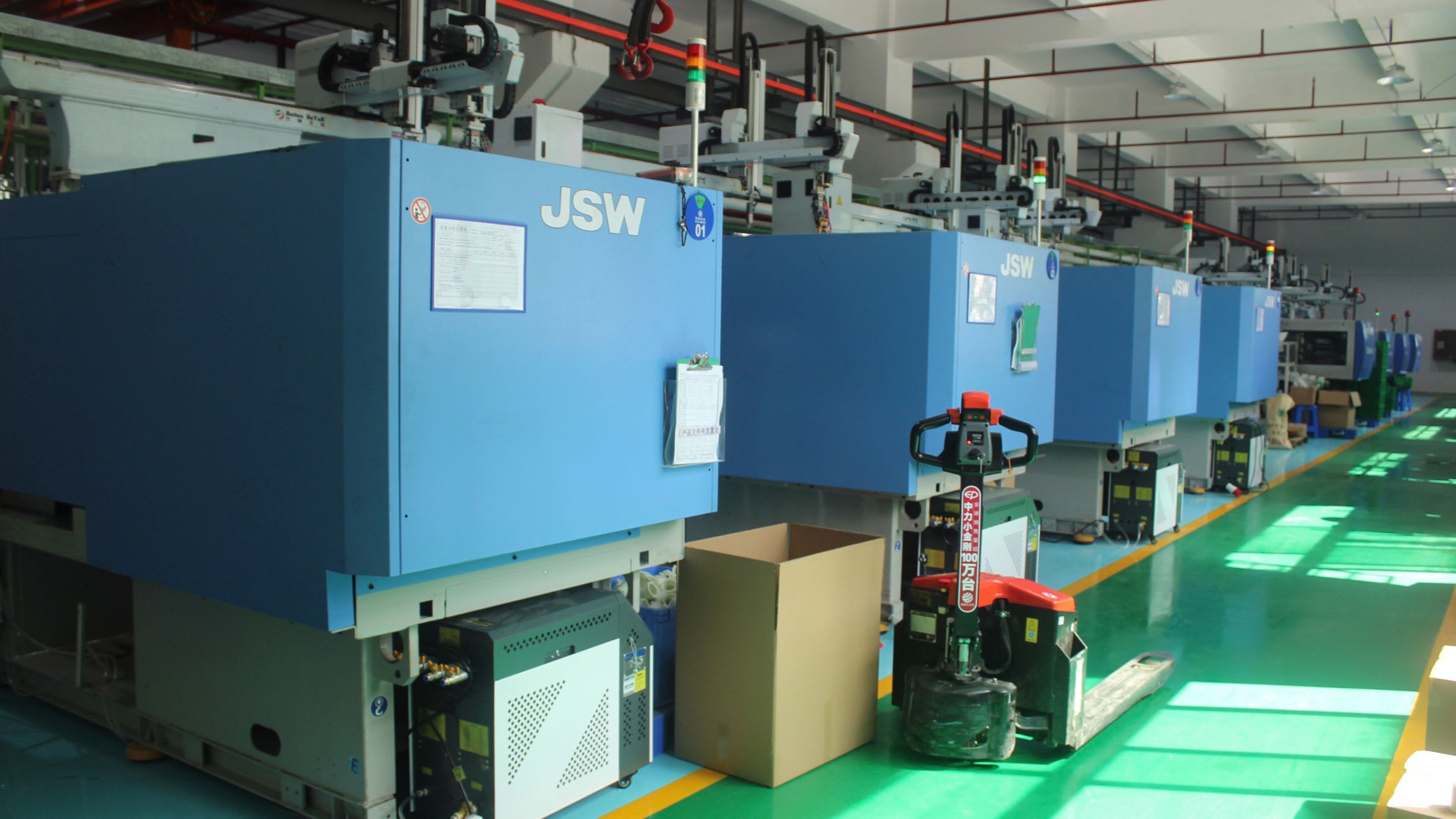
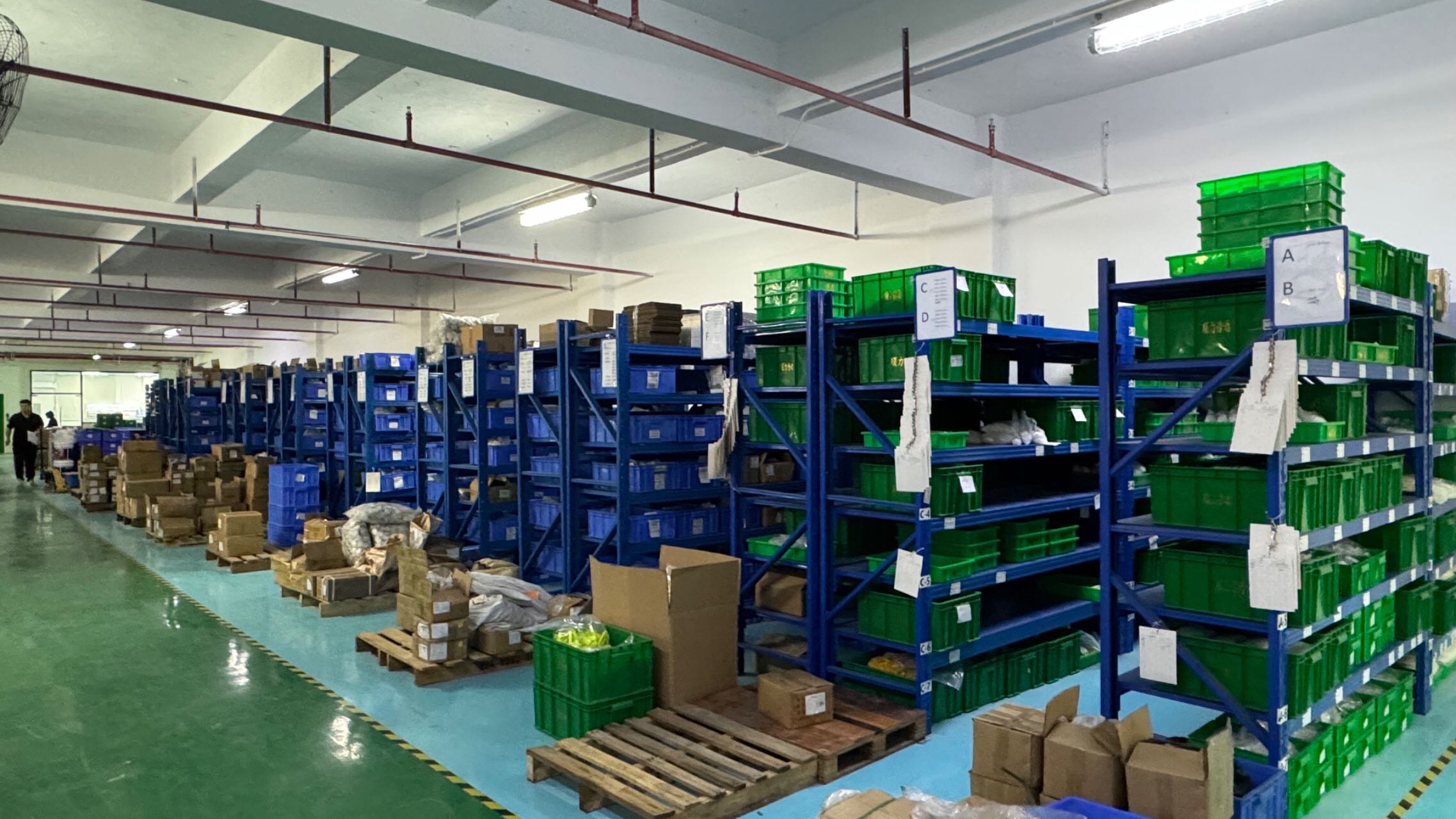
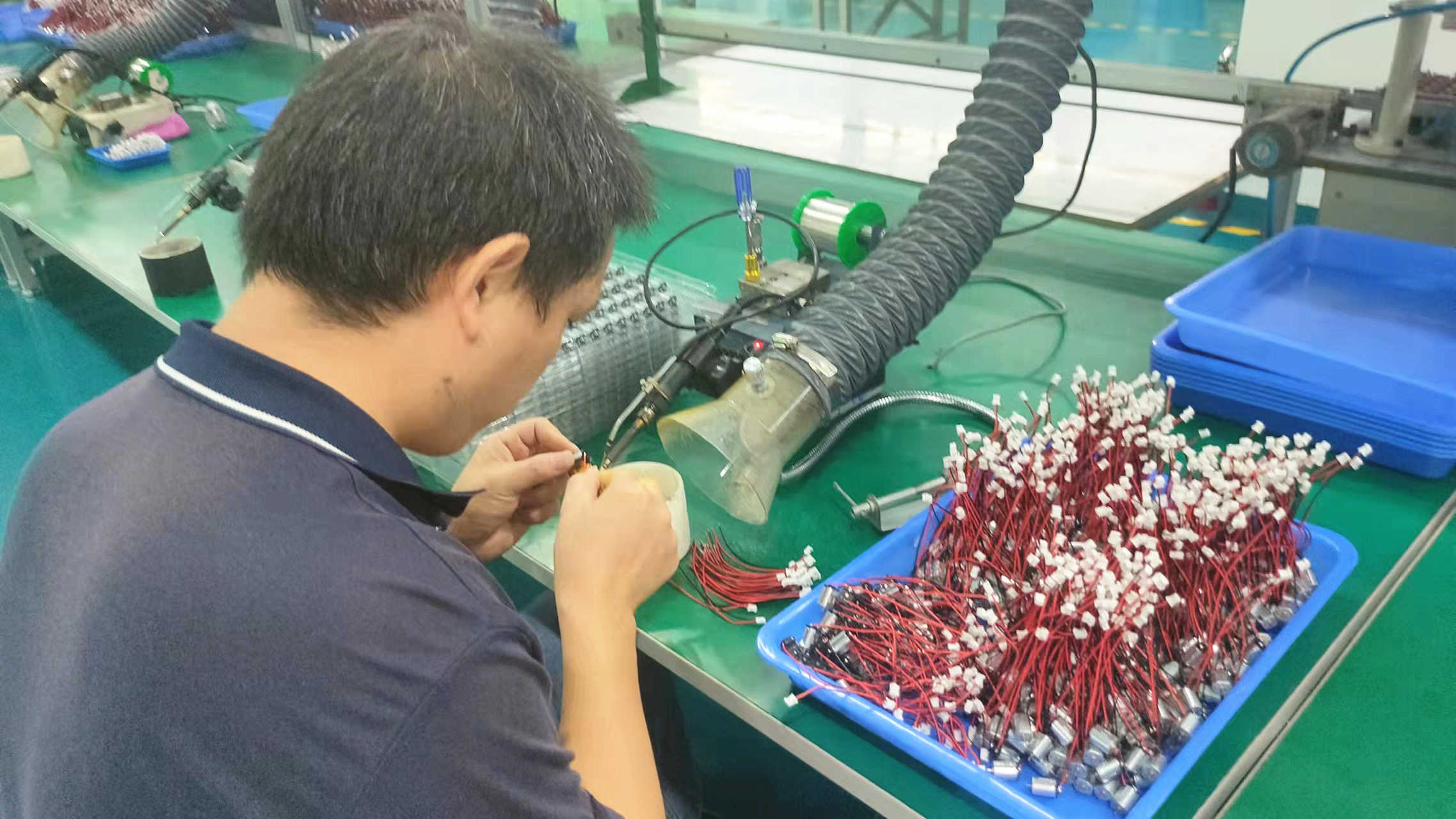
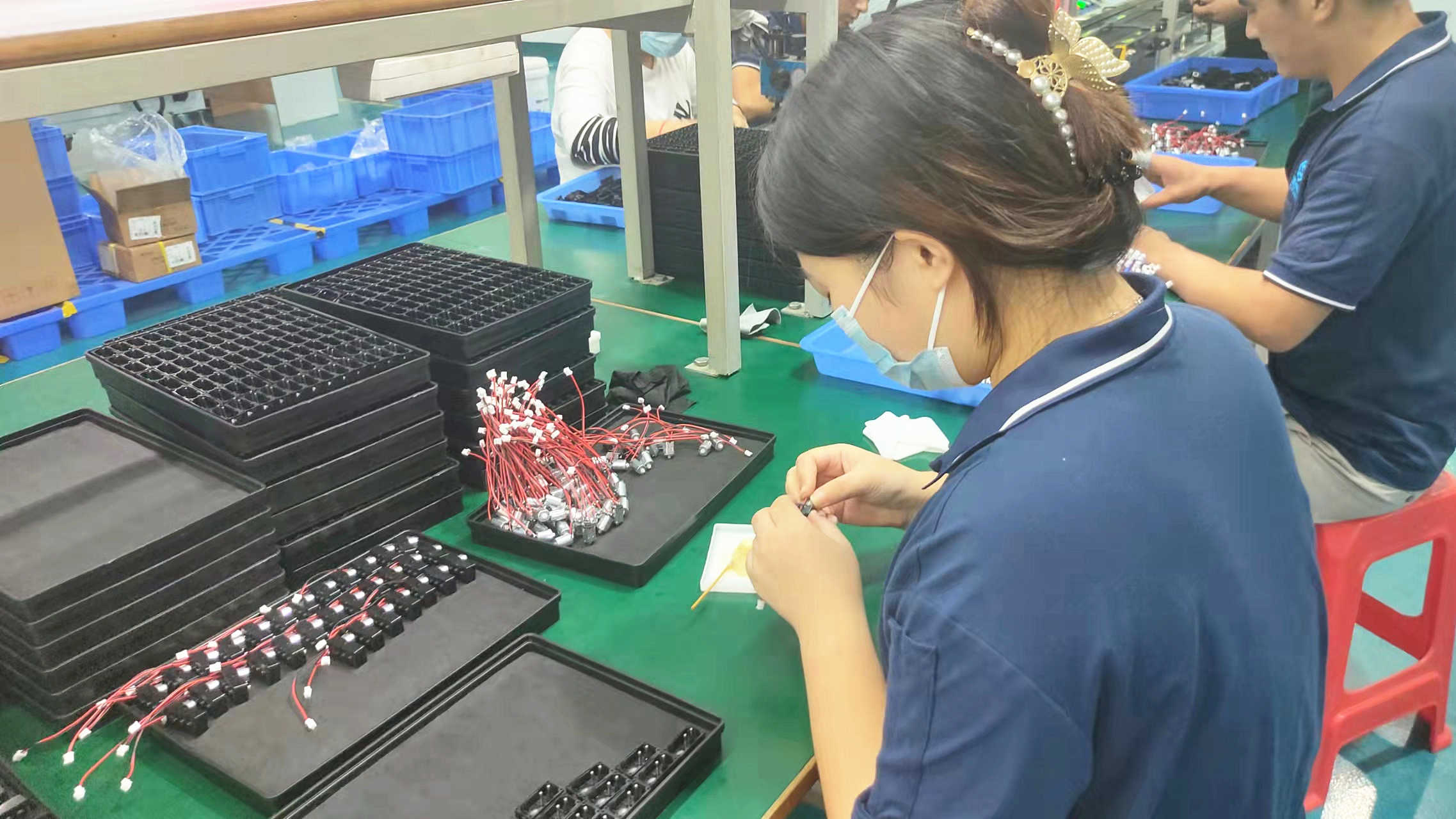
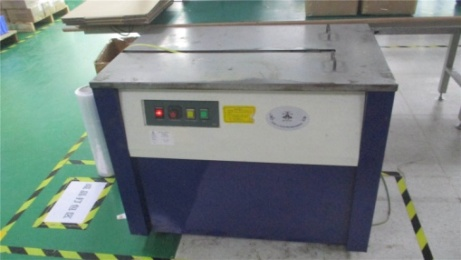
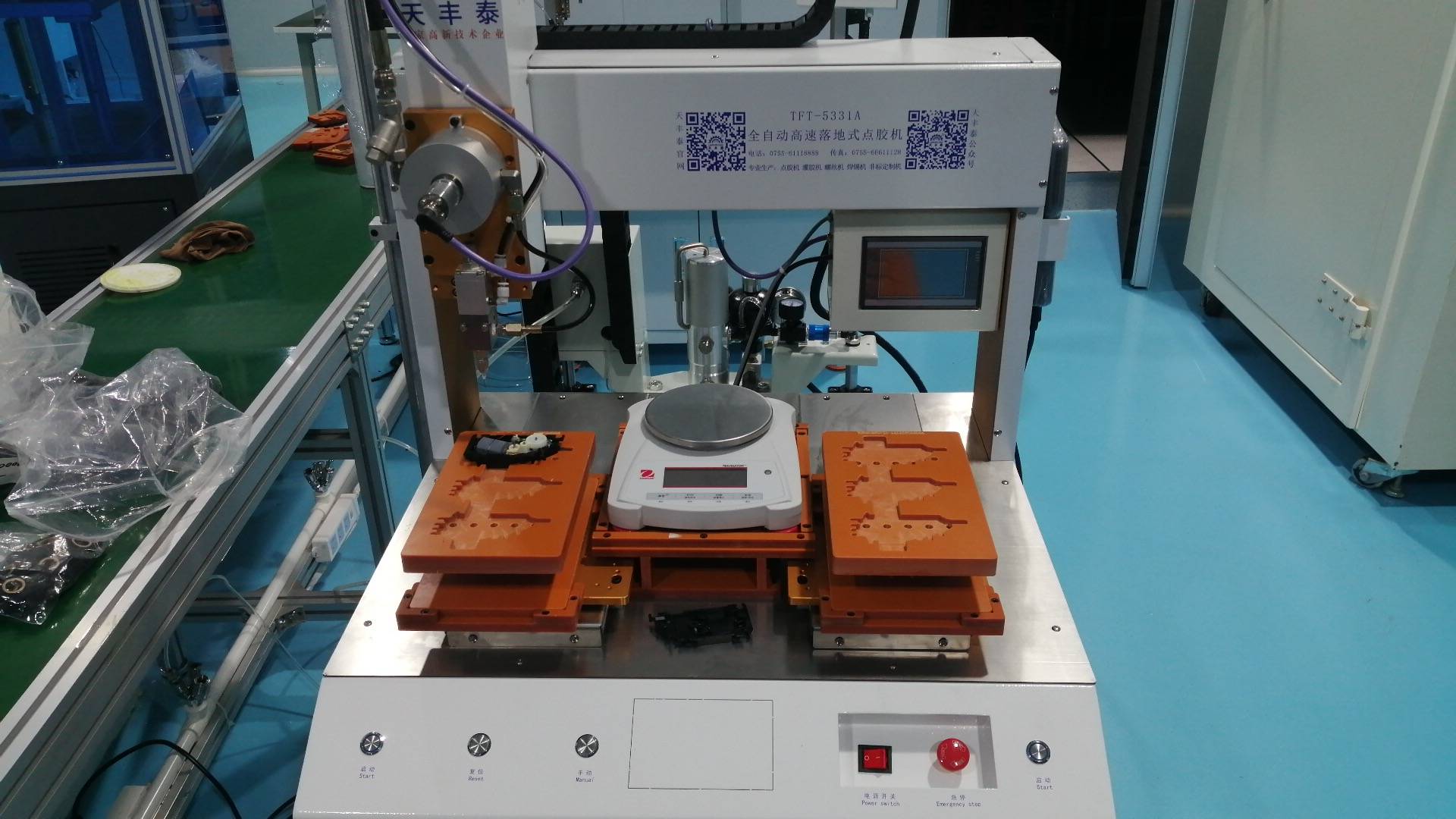
Through real-time manufacturing execution systems (MES), every phase of production is closely monitored—from the raw material stages and injection molding processes to winding, soldering, and packaging. This systematic approach ensures that high-volume orders maintain the exact tolerances required for precision micro drives.
Bypassing trading company gaps to deliver world-class micro drives built under strict, repeatable quality control standards.
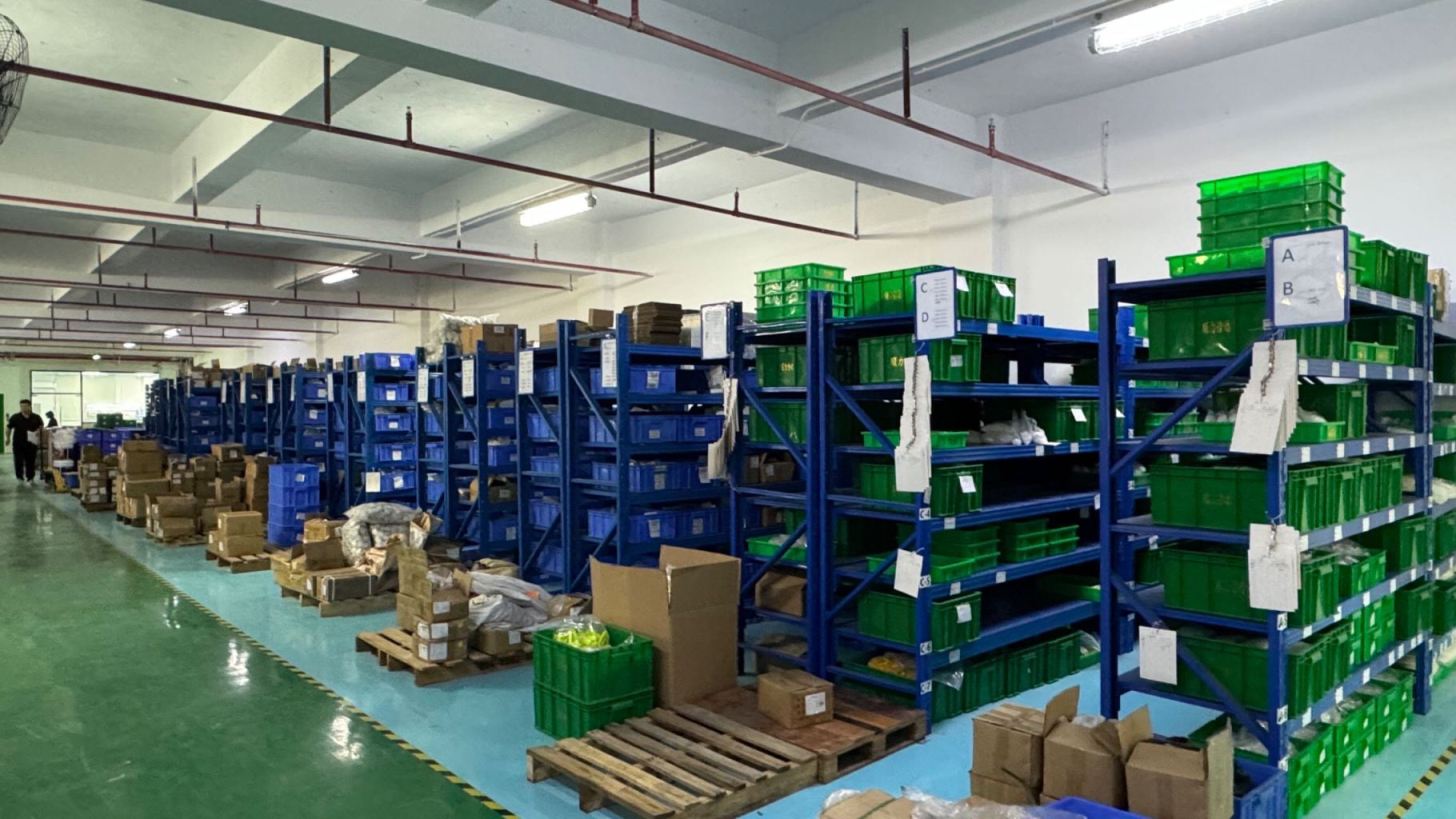
Established industry heritage since 2006, ensuring stable automated production lines and long-term supply security for worldwide clients.
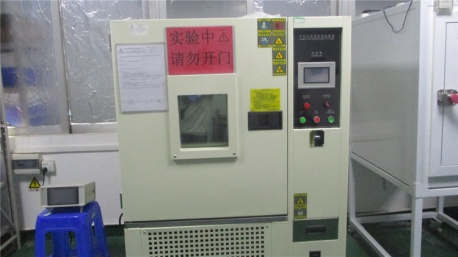
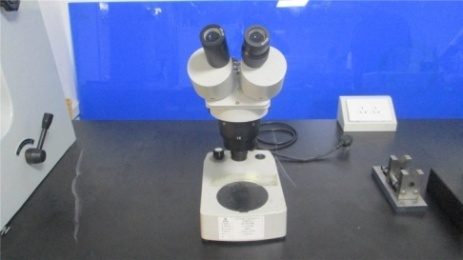
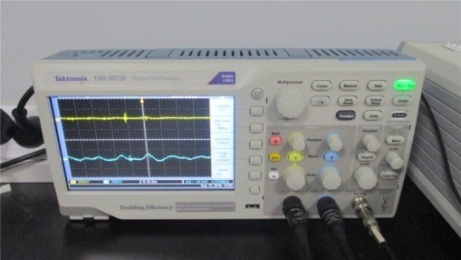
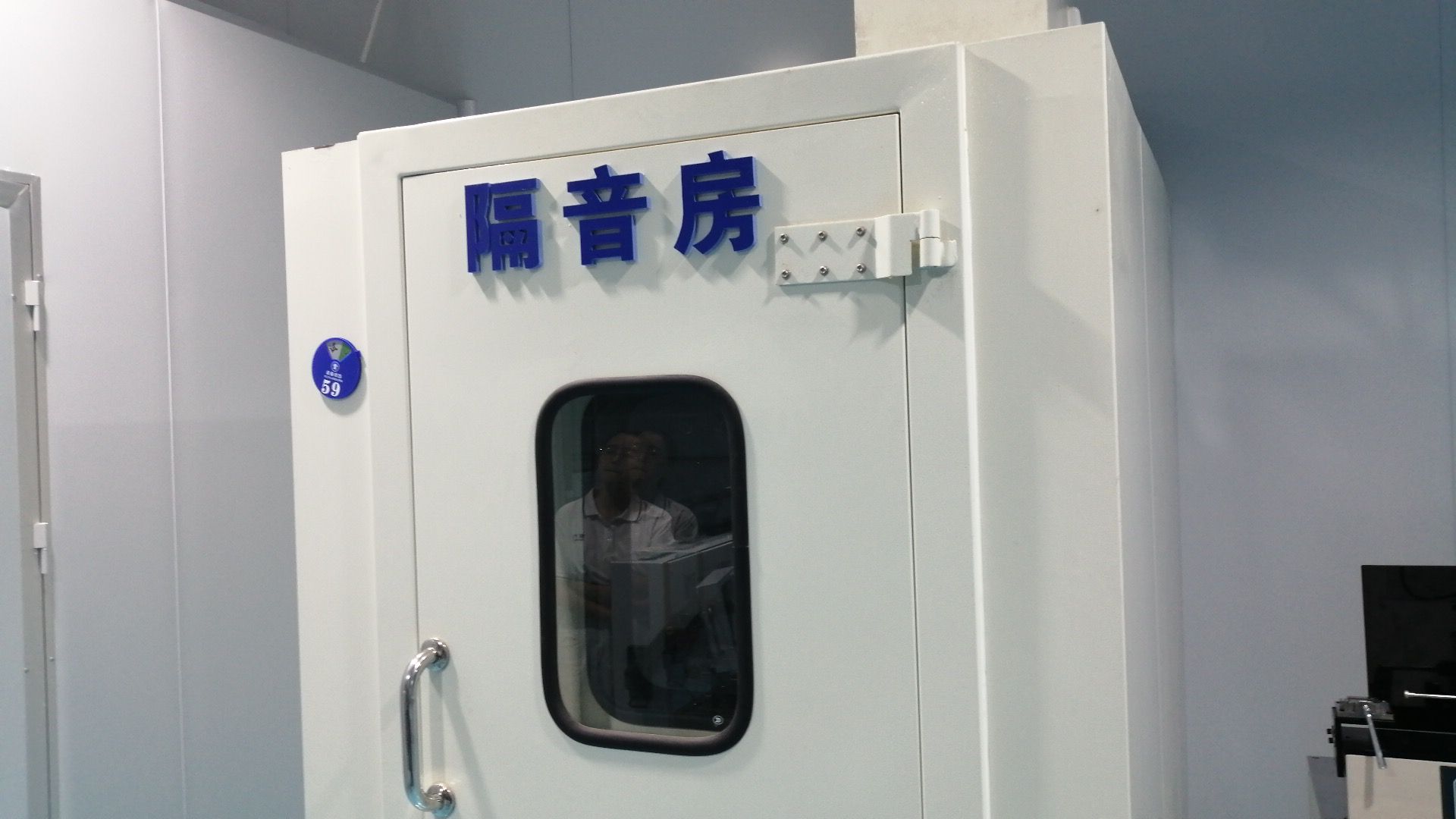
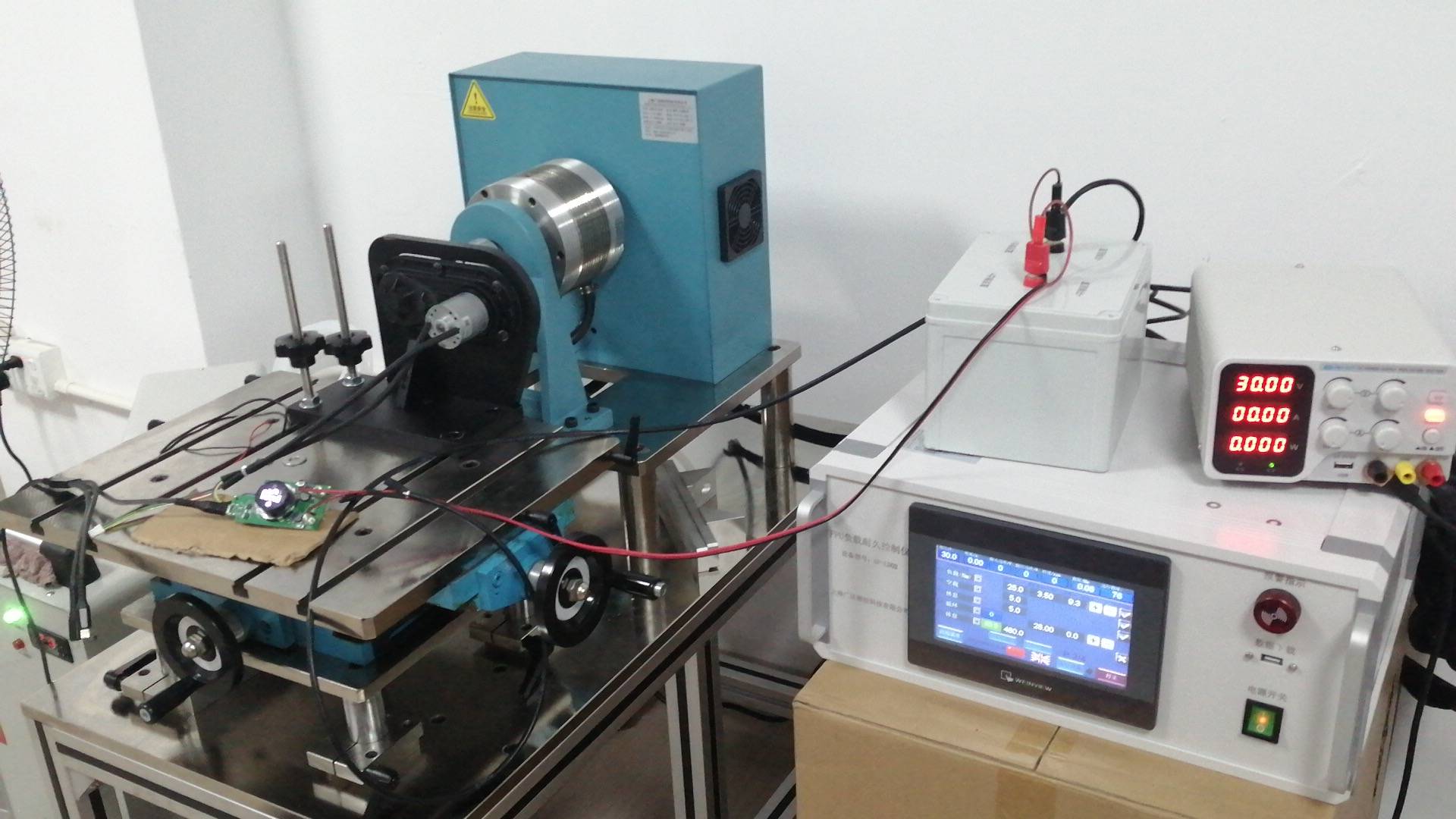
Every single motor is subjected to automated dynamic balancing and acoustic tests under real industrial loads before leaving our dock.
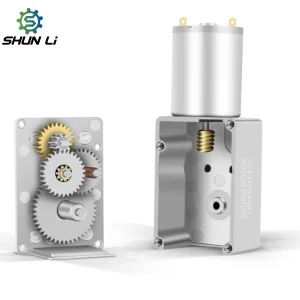
We rapidly customize custom shafts, integrated encoders, and specialized gearheads to fit your device housing perfectly.

Precision micro-motion systems serve localized industrial segments in distinct ways:
For applications utilizing brushless DC (BLDC) motors, choosing the right commutation control strategy directly impacts efficiency and thermal management. The comparison below outlines key characteristics:
| Metric / Feature | Trapezoidal Commutation | Field Oriented Control (FOC) |
|---|---|---|
| Torque Ripple | High (creates audible noise and mechanical wear) | Extremely Low (smooth rotation at all speeds) |
| System Efficiency | Moderate (~85%) | High (>95%, optimized stator magnetic field align) |
| CPU Complexity | Low (simple 8-bit MCU microcontrollers) | High (requires 32-bit DSP or ARM Cortex-M cores) |
| Dynamic Response | Slow transient adjustments | Exceptional (instant reaction to variable loads) |
By shifting to sensorless FOC algorithms, designers can eliminate physical Hall sensors, reducing wiring complexity and lowering overall assembly costs while improving reliability in harsh environments.
Explore our industrial-grade geared systems featuring built-in feedback options, tailored for automated assembly and smart infrastructure.