Strata Motor
Strata Motor
Strata Motor
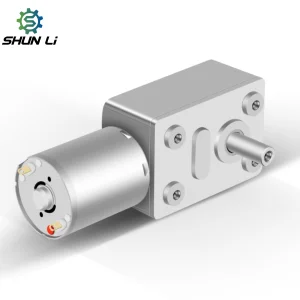
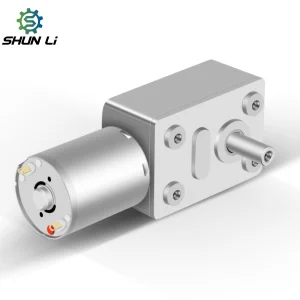
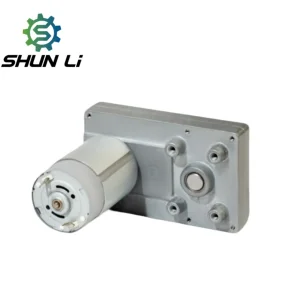
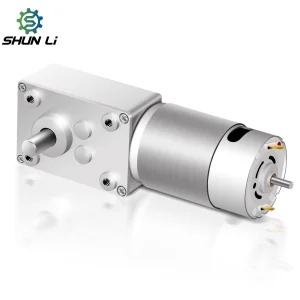
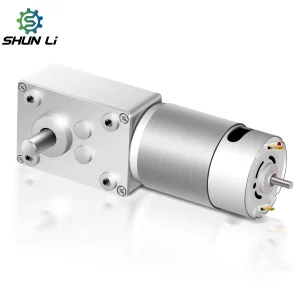
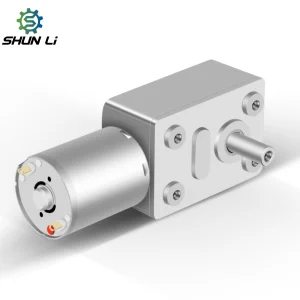
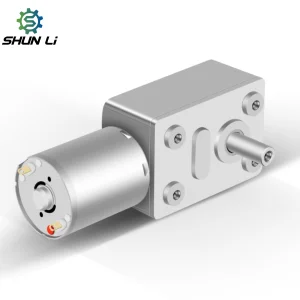
Our top-tier precision gear motors, engineered to support aerospace, medical instruments, and industrial automation across the Puget Sound region.
Tired of navigating the complex layers of traditional trading intermediaries, communications lag-times, and fluctuating lot-to-lot tolerances within your motion control supply pipeline? Strata Motor delivers as an established, vertically integrated manufacturing partner directly exporting high-integrity micro geared motors from our advanced facility in China to your assembly corridors in Seattle and across the United States. We serve design firms, robotics labs, and automated machinery OEMs looking for optimized performance without markup inflation.
Established manufacturing history since 2006, guaranteeing deep engineering domain and long-term production resilience.
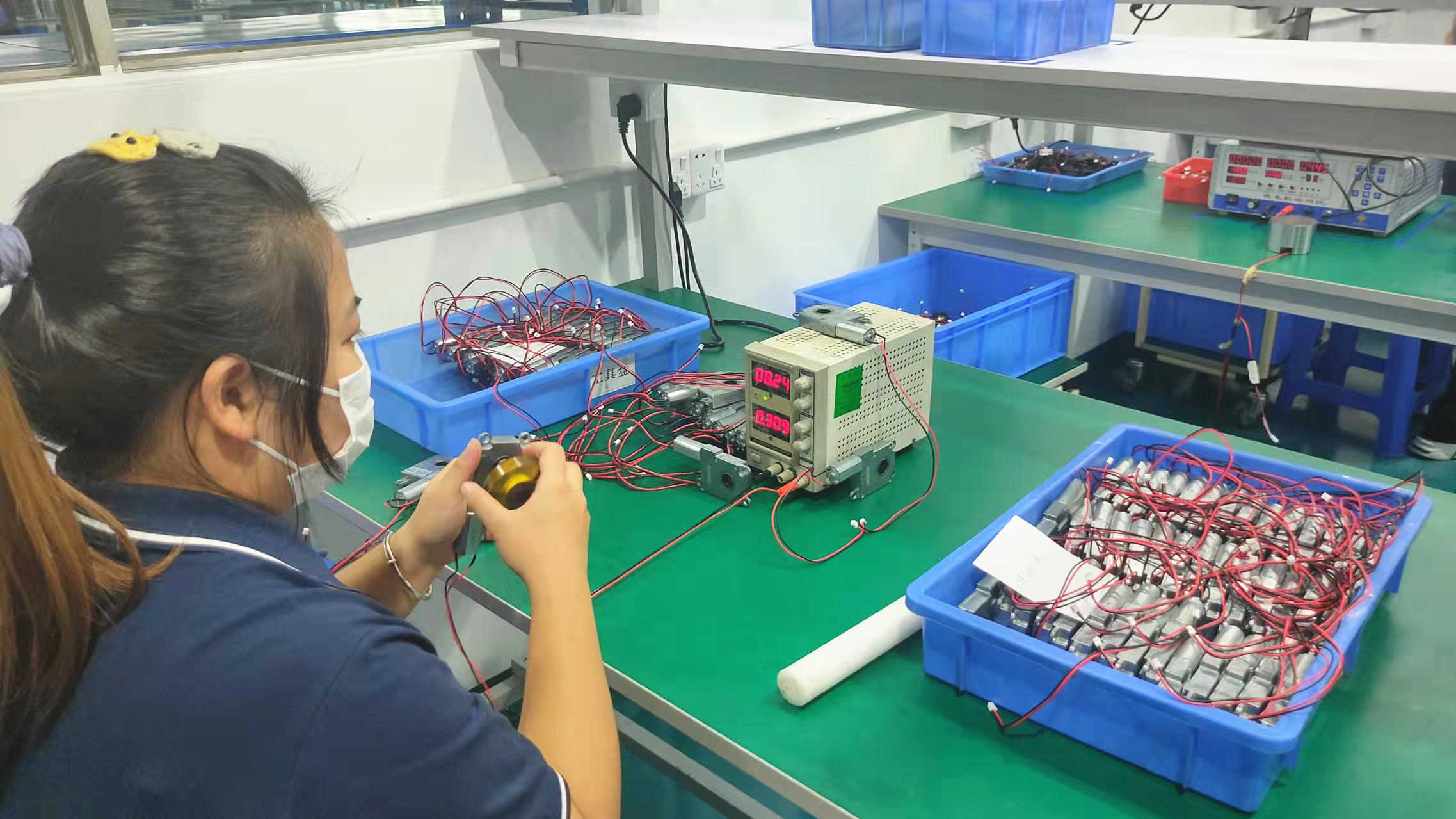
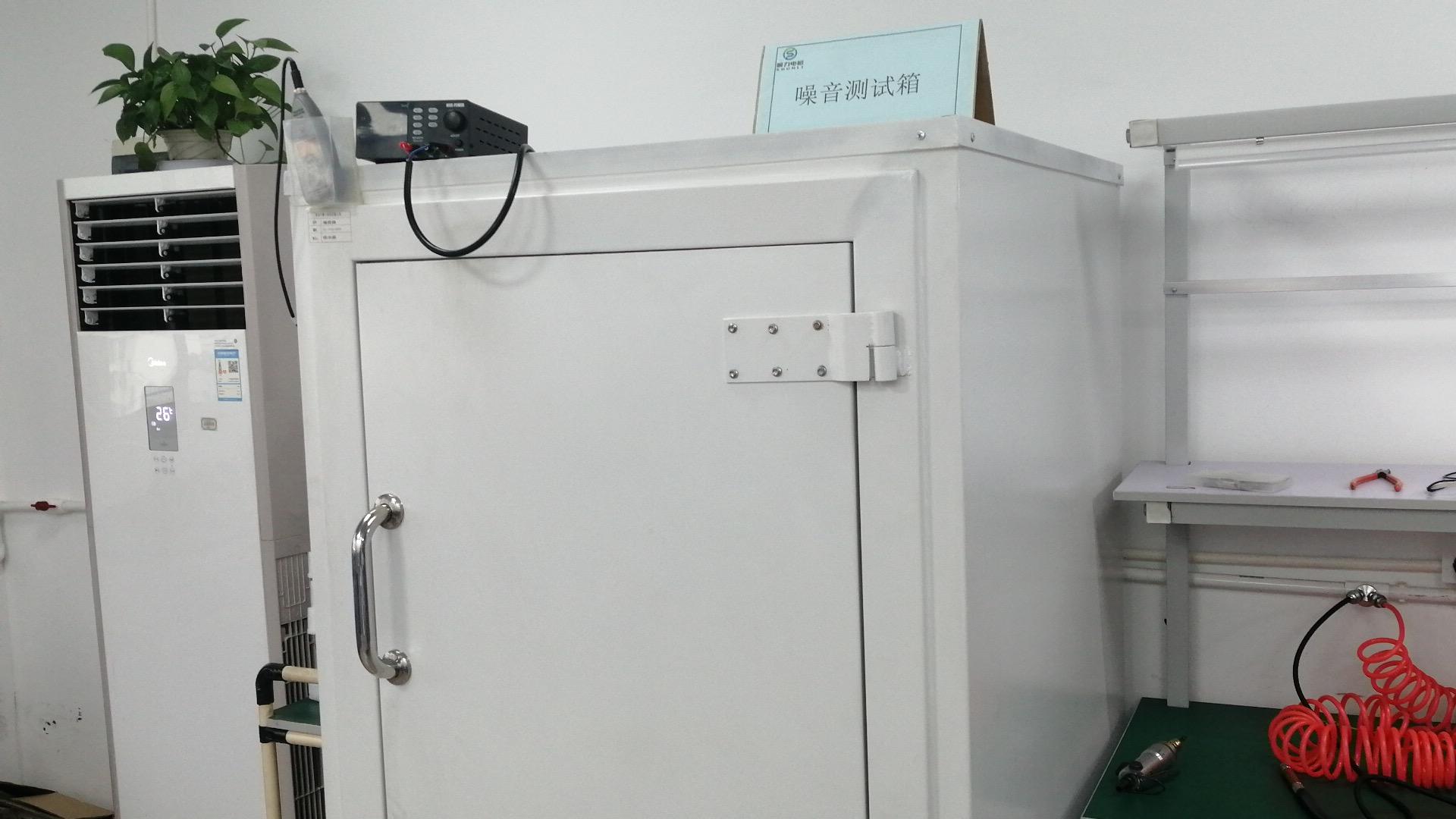
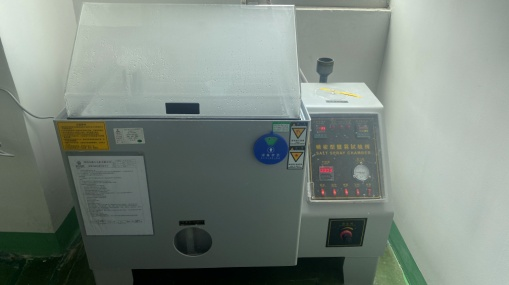
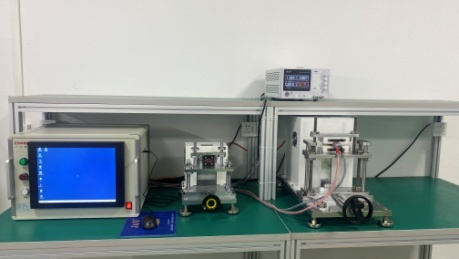
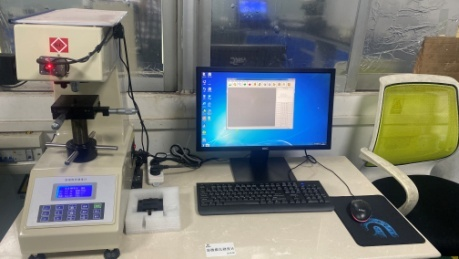
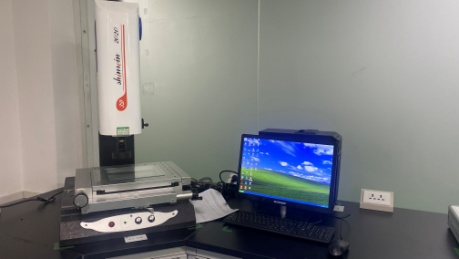
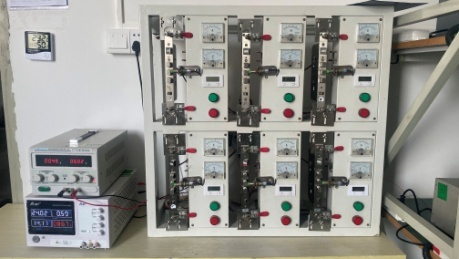
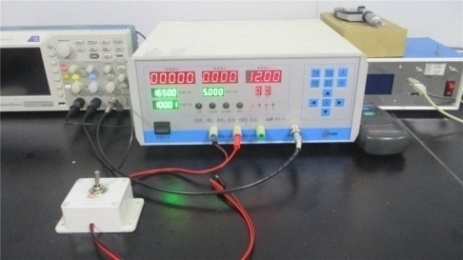
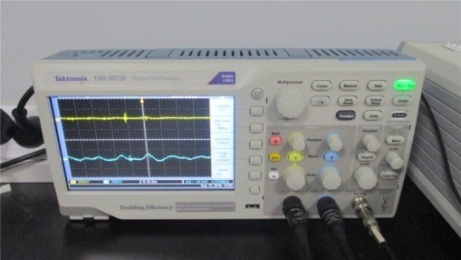
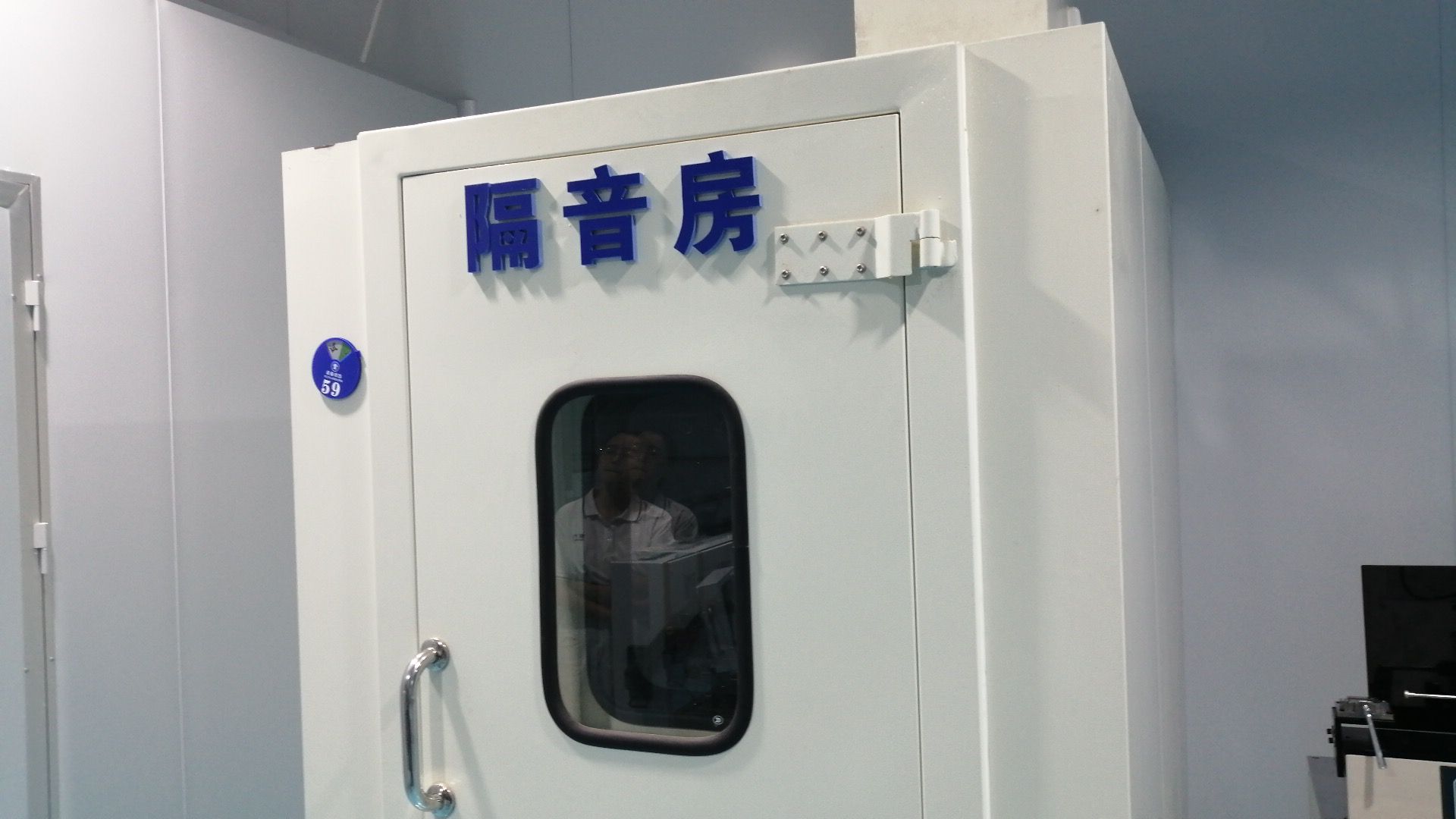
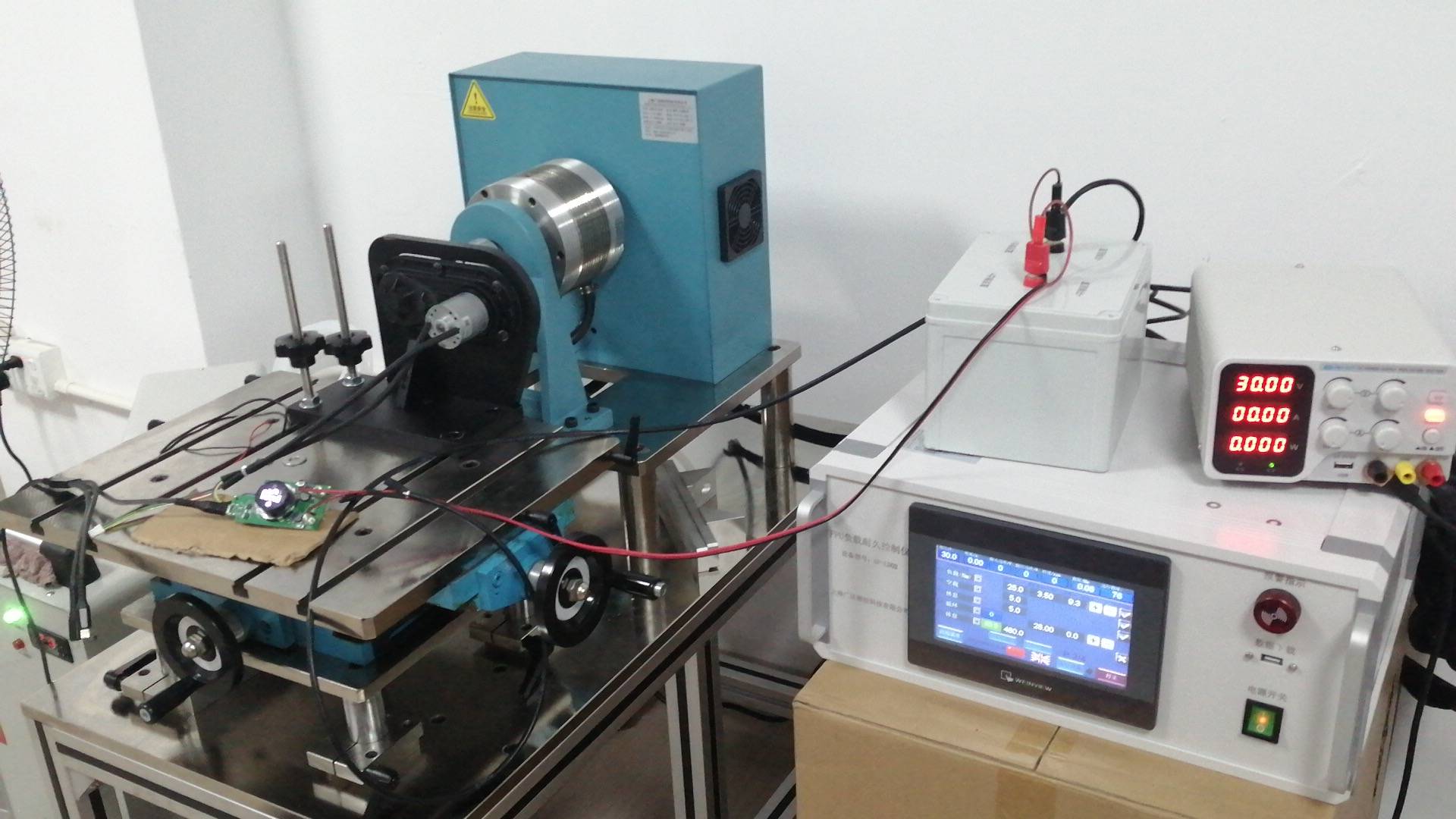
Every gear motor undergoes computerized dynamometer profile, thermal signature, and vibration vetting before dispatch.
Custom shafts, customized gear ratios, specialized wiring harnesses, and application-specific noise dampening.
Our operations comply strictly with ISO9001 quality systems alongside CE, RoHS, and REACH safety approvals.
Seattle, Washington is a global vanguard of tech, aerospace, and advanced logistics. From the maritime docks of Puget Sound to automated fulfillment yards spanning the Pacific Northwest, developers require robust, small-envelope physical actuation components. The region's focus on sustainable, smart engineering makes highly efficient DC worm gear motors critical system assets.
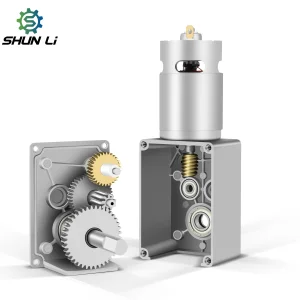
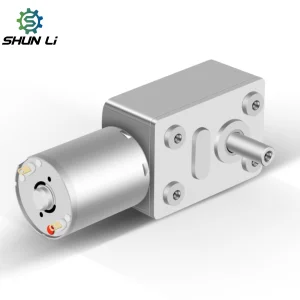
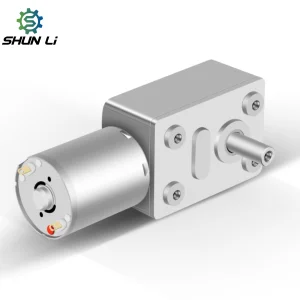
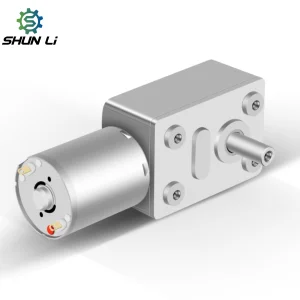
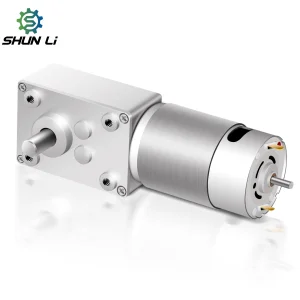
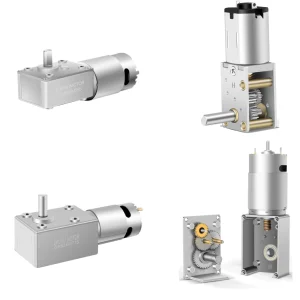
A prominent engineering advantage of worm gear mechanisms is their inherent self-locking capability. When a motor is powered down, the angle of the worm thread prevents the worm wheel from turning it backwards. In applications such as medical patient lifts, overhead door openers, automated warehouse lifts, and defense hardware in Seattle, this eliminates heavy, costly external braking assemblies while adding a crucial layer of passive mechanical safety.
Globally, the electromechanical motion market is shifting away from bulky, inefficient induction configurations toward permanent magnet brush and brushless DC (PMDC/BLDC) motors paired with precision worm reduction gearboxes. High power-density, digital feedback compatibility via magnetic and optical encoders, and green thermal limits shape the core design decisions at Strata Motor.
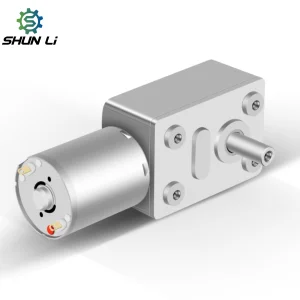
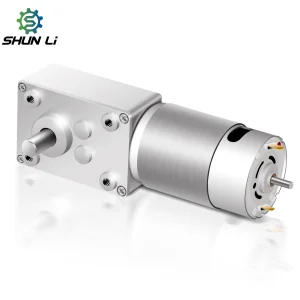
Engineers face a common trade-off: high torque vs footprint size. A worm gear reduction excels here, shifting the output axis by 90 degrees and delivering high reduction ratios (up to 100:1 or more) in a compact unit. As globally oriented production ecosystems demand tighter digital integration, we offer customized integrated feedback setups, supporting automated diagnostic telemetry directly from the motor frame.
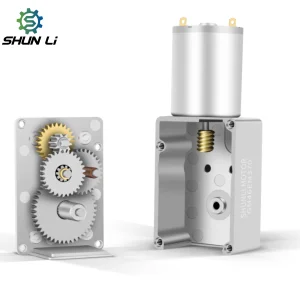
By utilizing high-grade gear bronze (QSn6-6-3) mated with precision hardened carbon steel worms, we ensure low mechanical backlash, reliable operation over thermal limits, and minimal noise.
Incorporating a worm gear motor into high-duty commercial systems requires careful consideration of mechanical and electrical characteristics. Below is an engineering framework for integrating these motors in smart automation projects:
| Parameter Group | Design Variable | System Impact / Benefit |
|---|---|---|
| Input Voltage Optimization | 12V DC / 24V DC / 36V DC | Matching industrial control boards; lower currents at 24V decrease line drop in remote installations. |
| Lubrication Profile | Synthetic Polyglycol Oils | Resists high-pressure sliding shear forces typical in worm gears, preventing thermal degradation. |
| Feedback Loop | Incremental Hall Encoders (up to 1024 CPR) | Enables sub-millimeter positioning accuracy in sorting tables, surgical beds, and UAV guidance systems. |
| Brake Hardware | Integrated Electromagnetic Brake option | Secondary mechanical safety level, supporting high-inertia applications where self-locking must be absolute. |
At a large sorting facility in the Port of Seattle, technicians replaced modular linear actuators with Strata Motor 24V DC Right-Angle Geared Motors featuring custom output shafts and integrated hall sensors. The upgrade resulted in a 40% reduction in physical mounting footprint and a 25% drop in system energy use, thanks to the self-locking gear design which eliminates holding current during static periods. Operation noise levels fell below 45 decibels, creating a quieter, safer environment for onsite personnel.
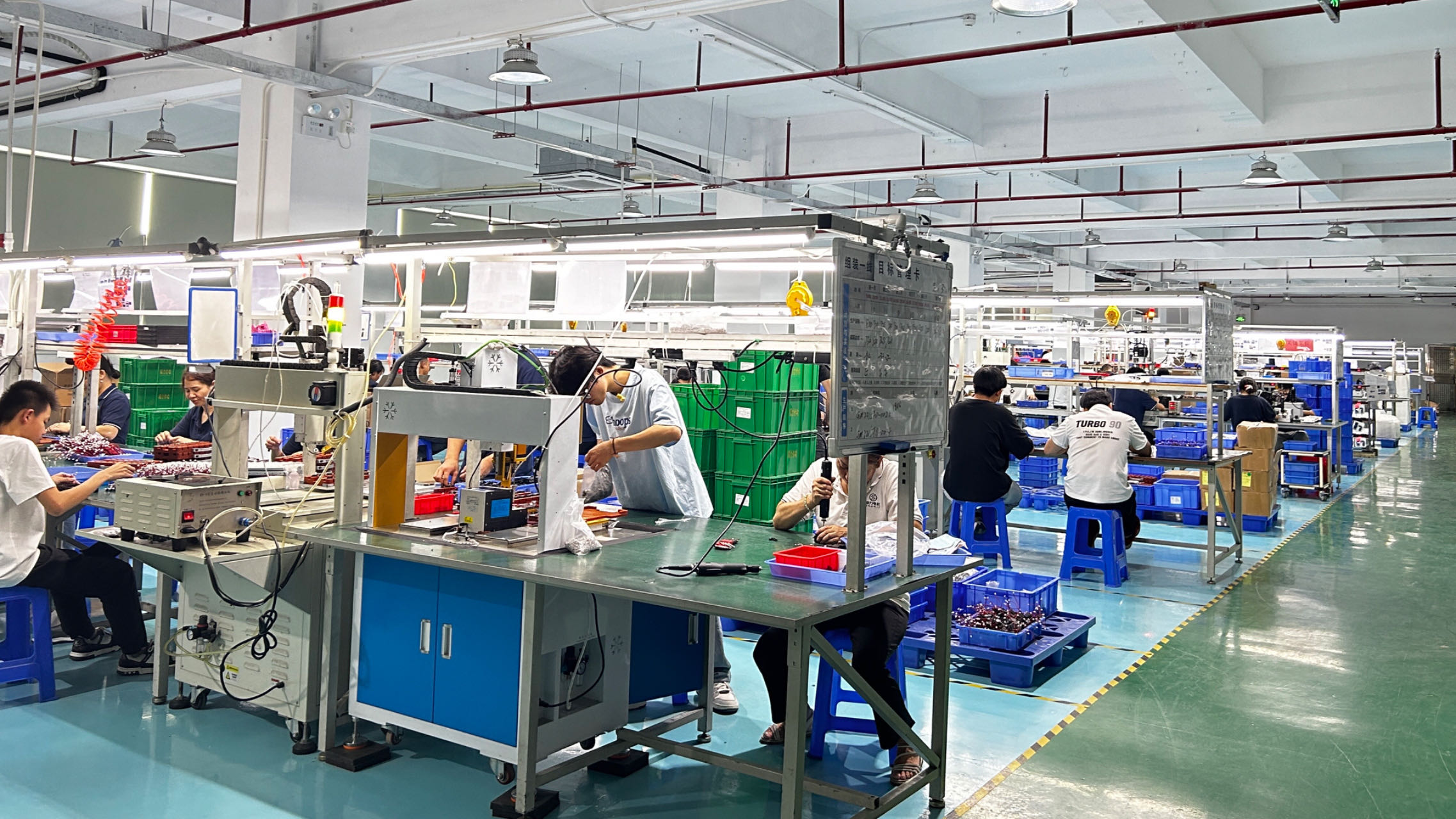
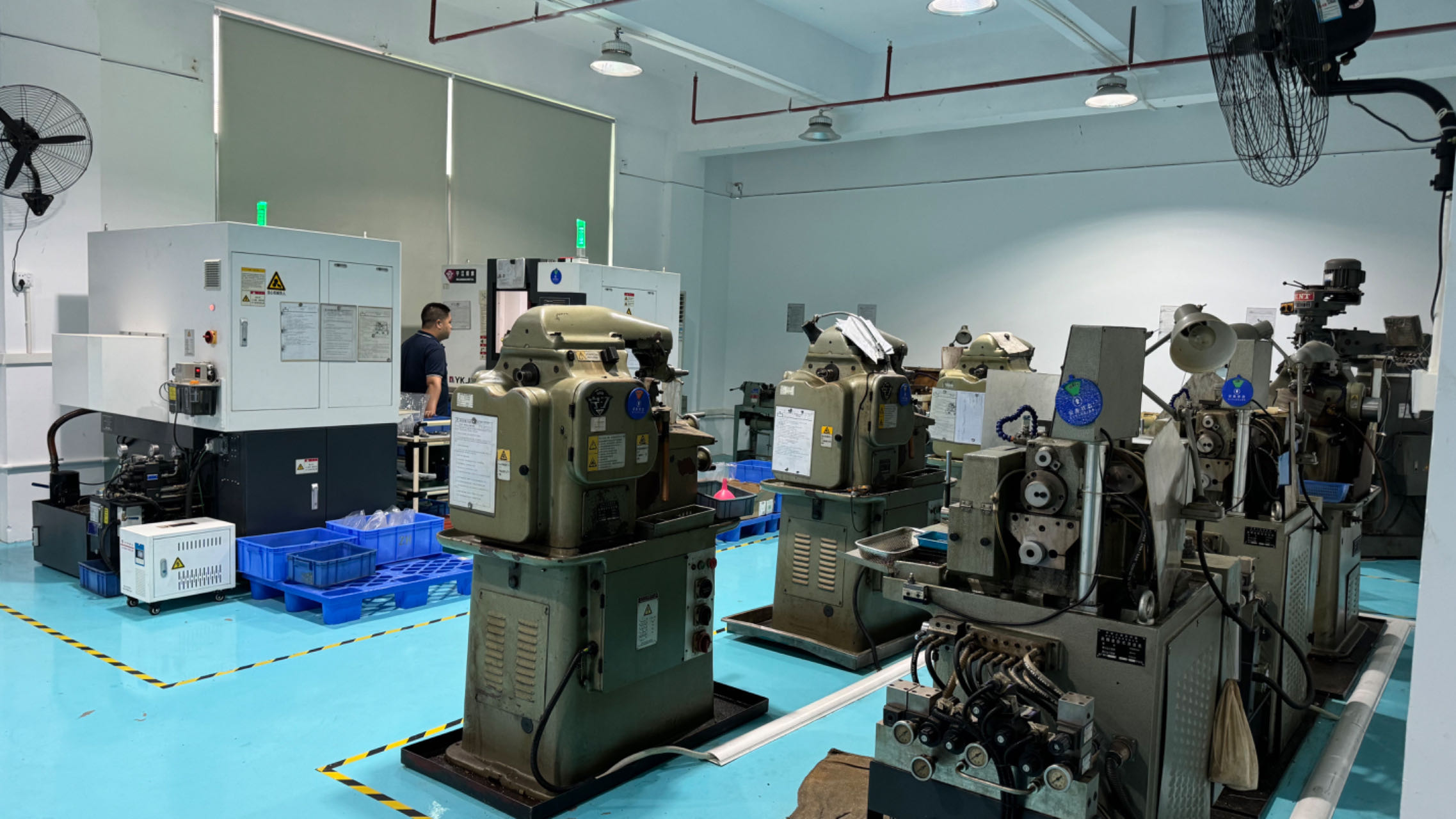
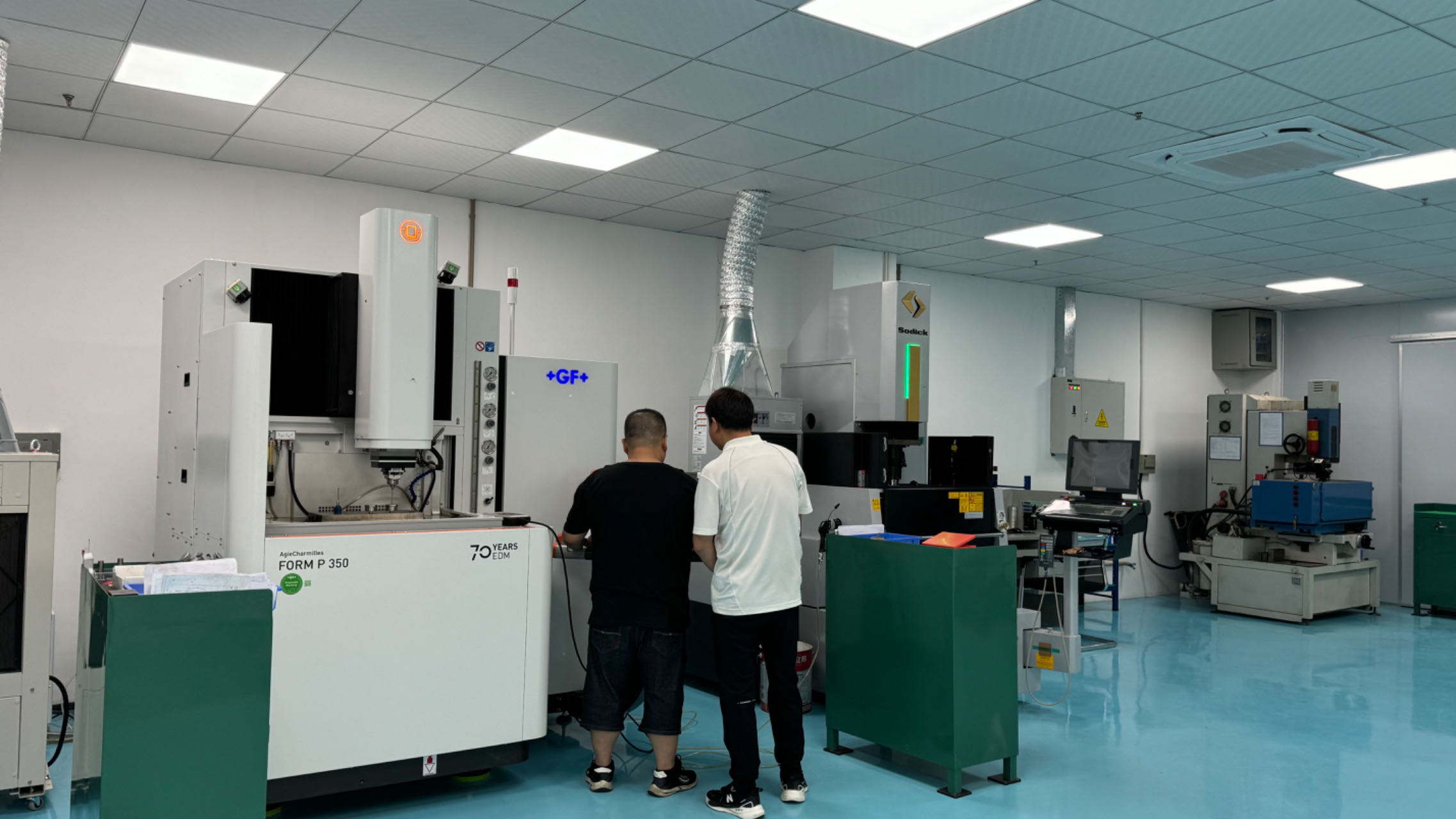
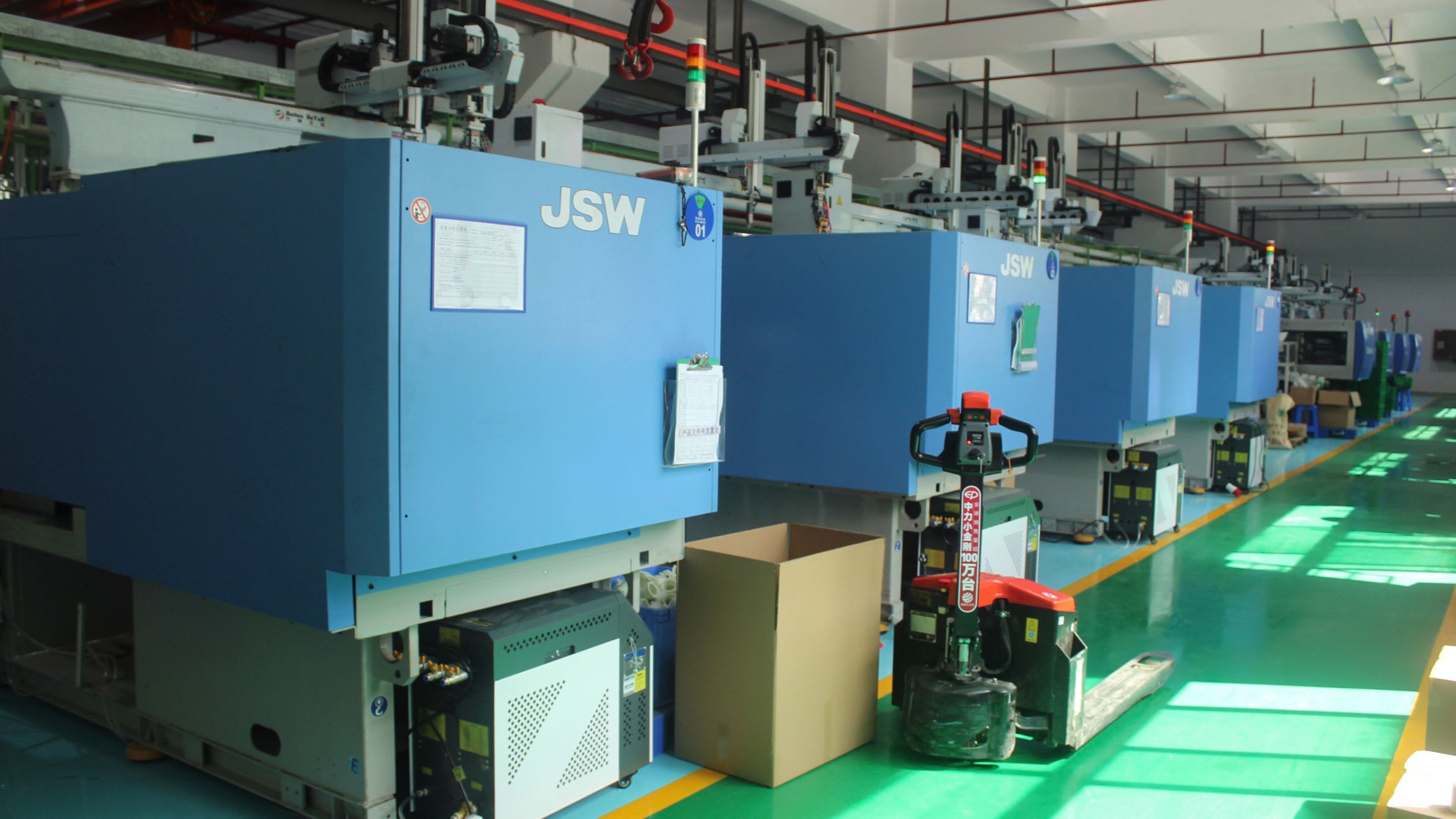
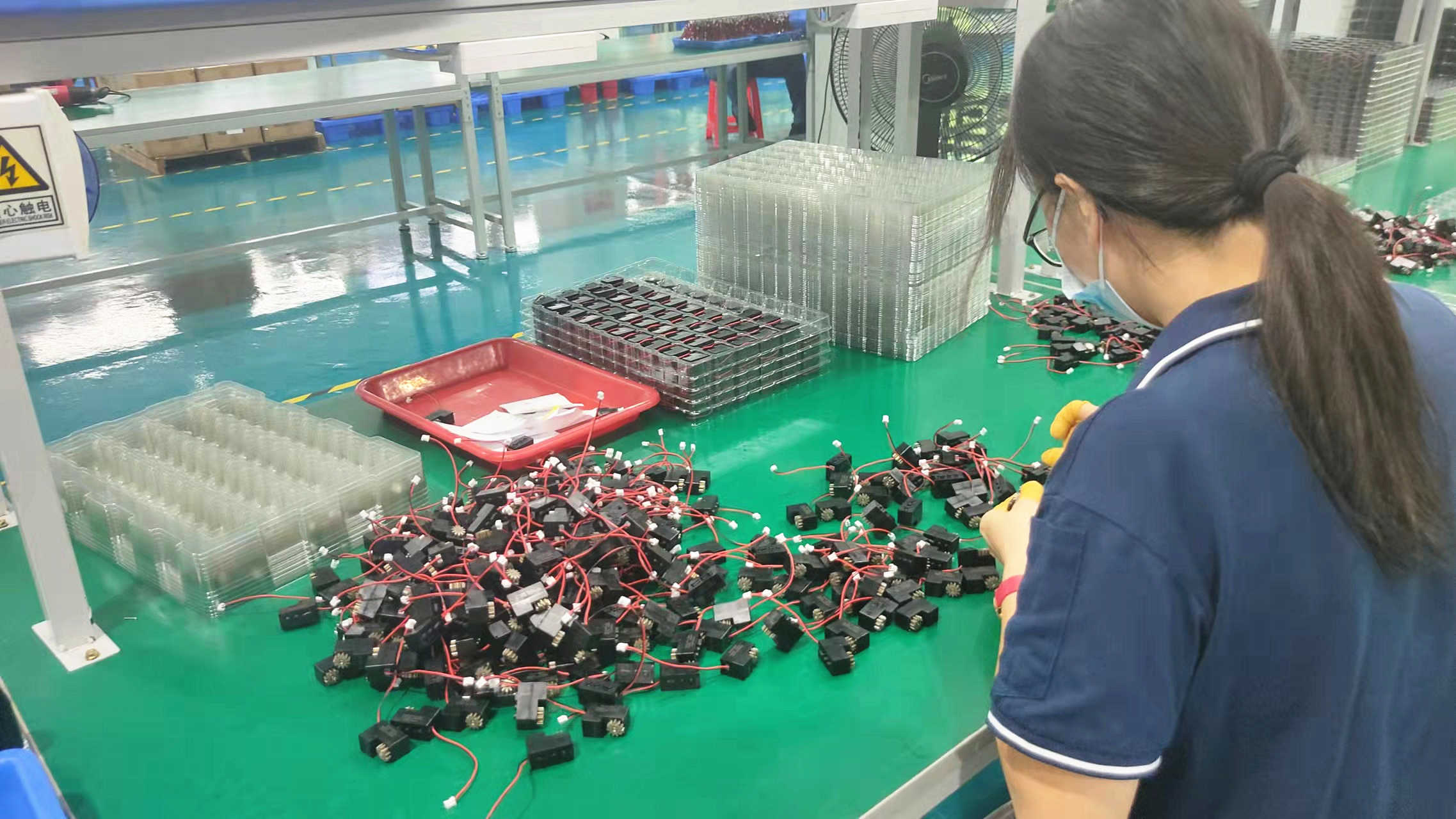
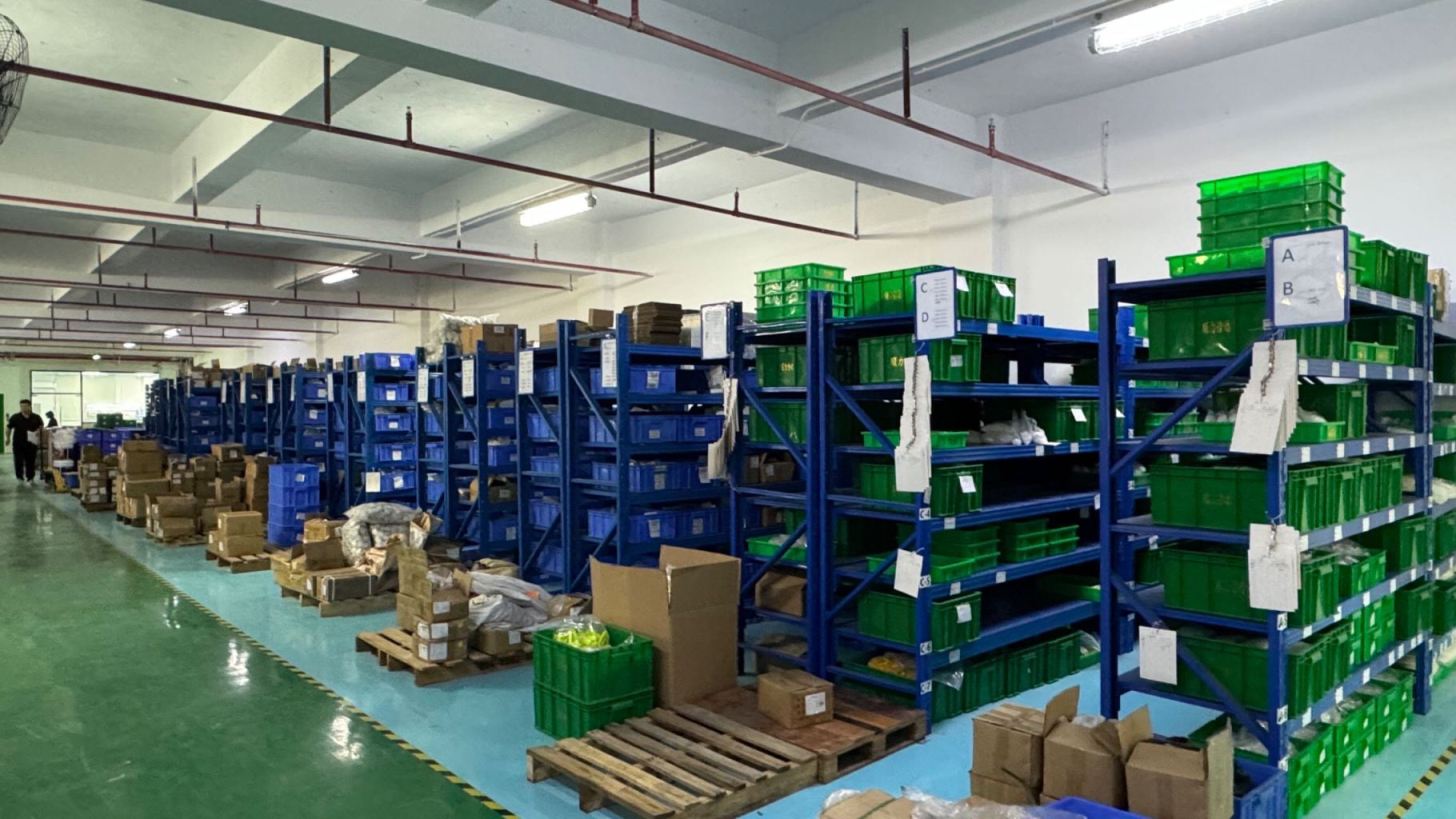
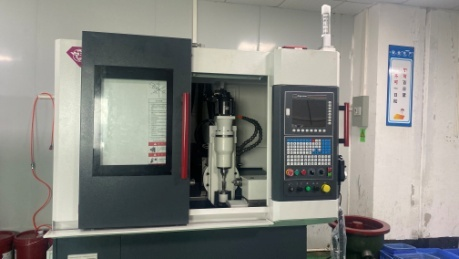
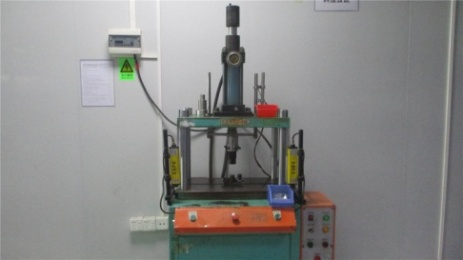
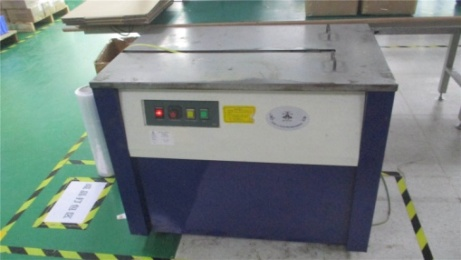
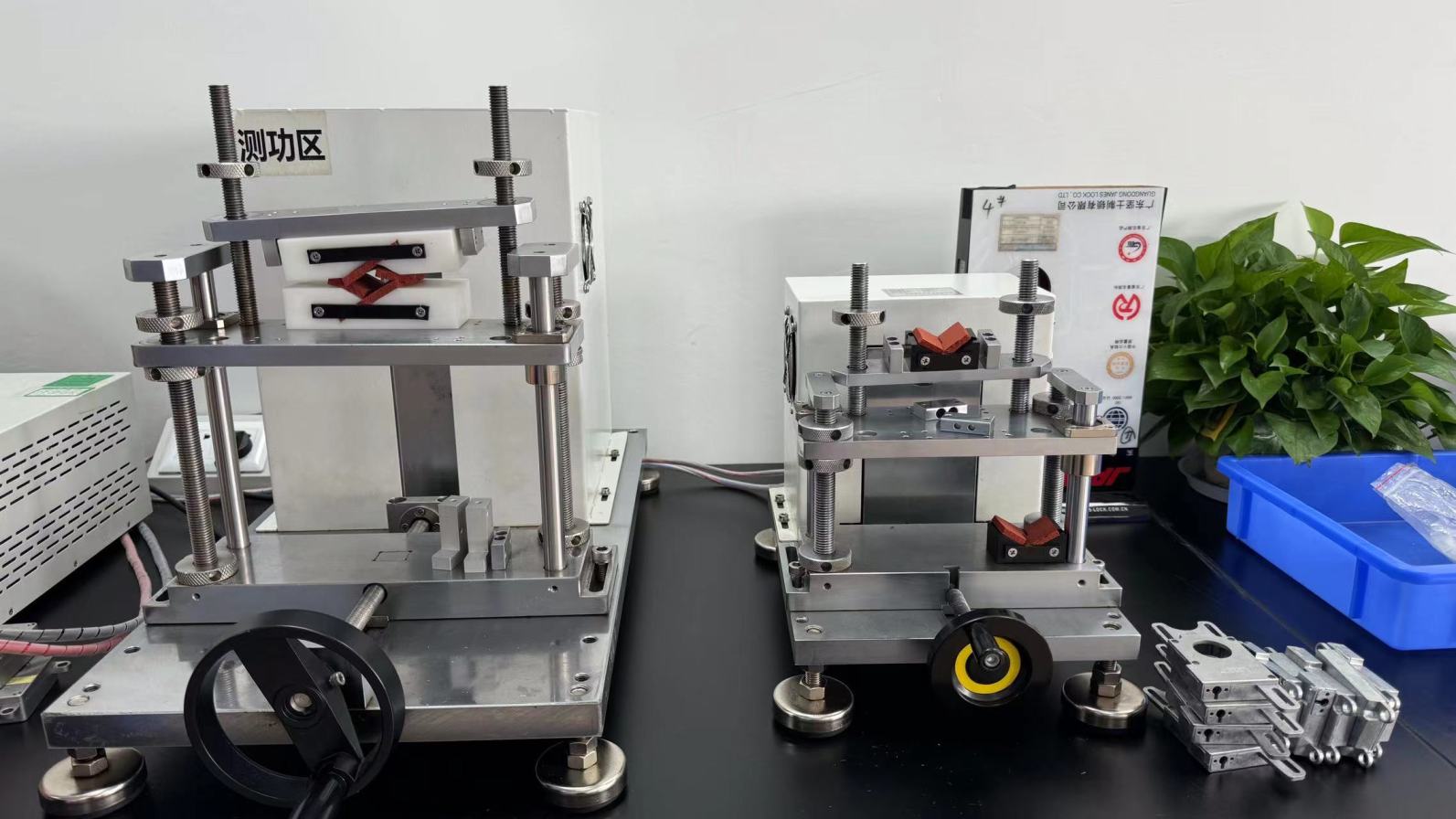
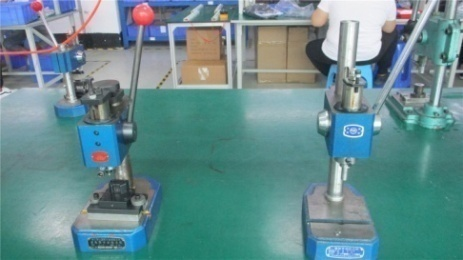
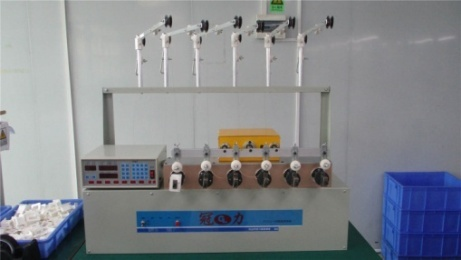
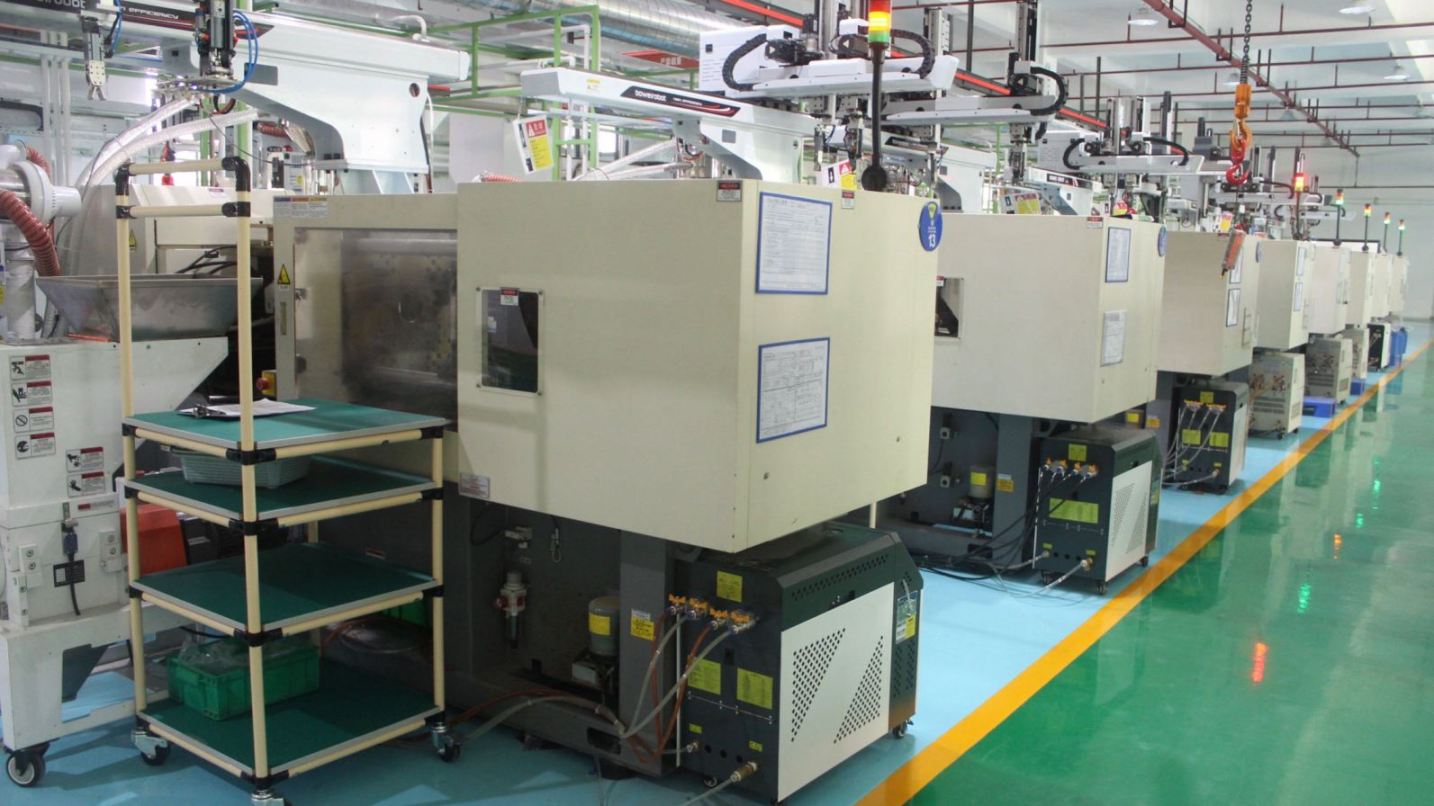
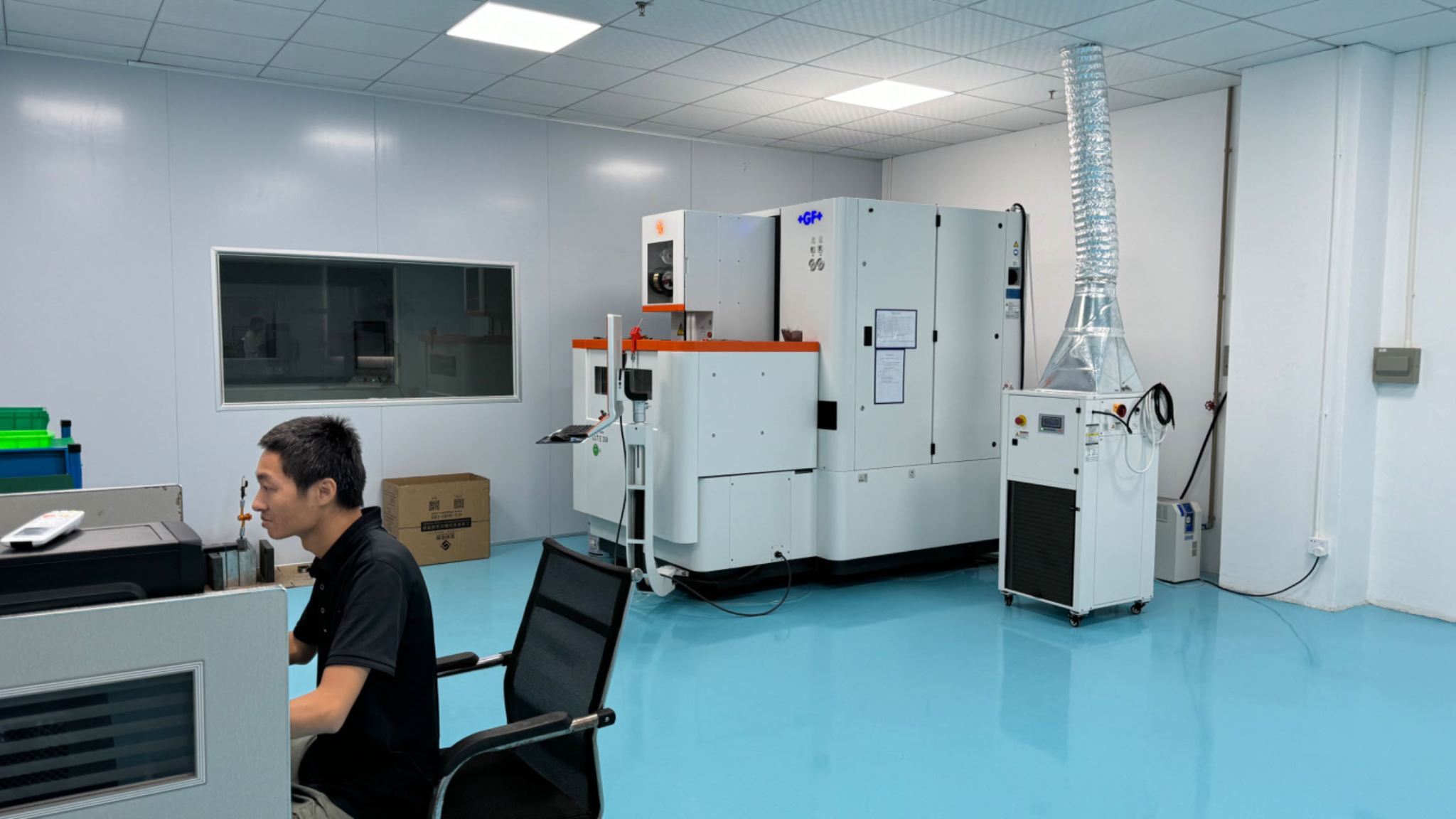
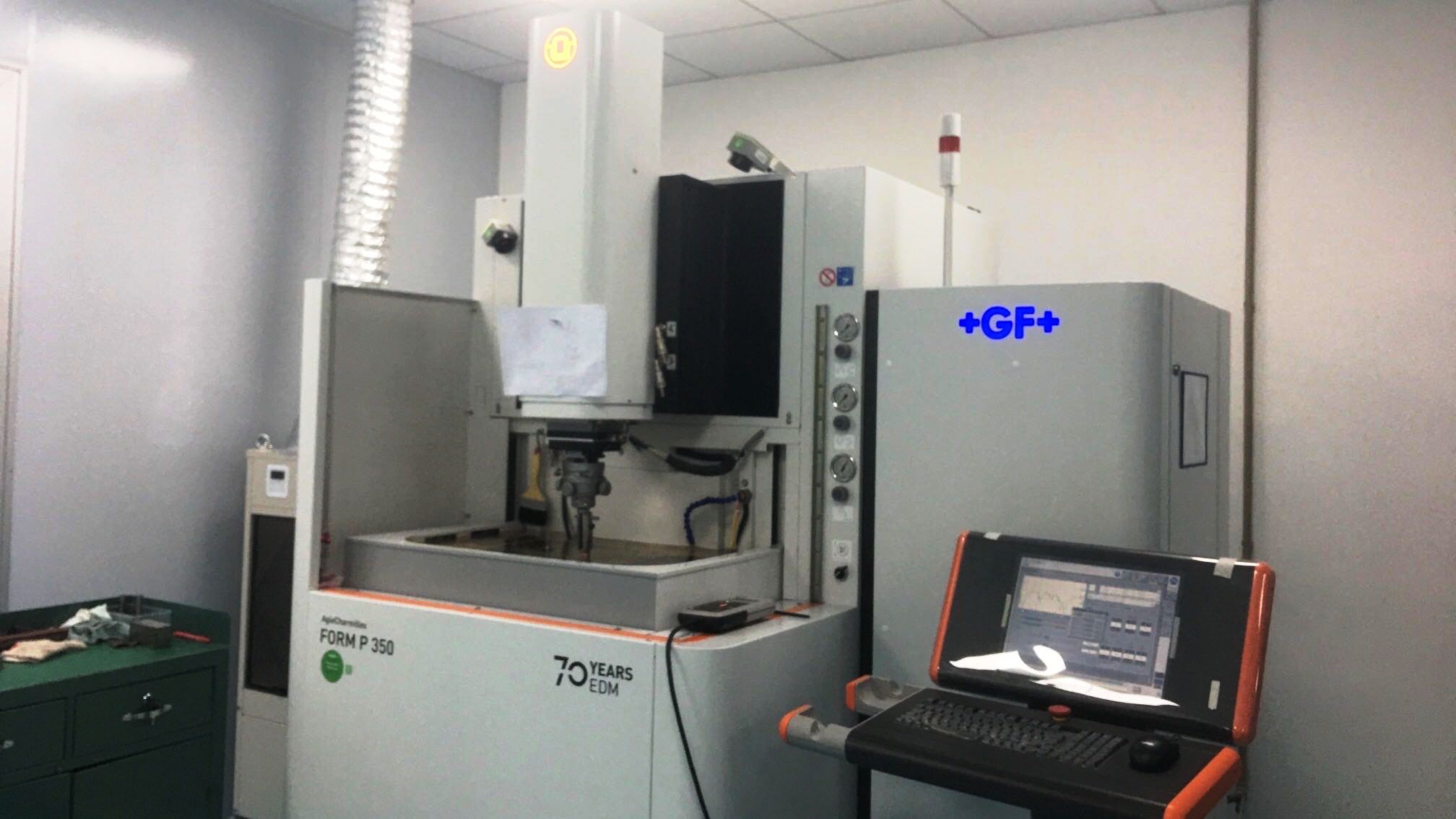
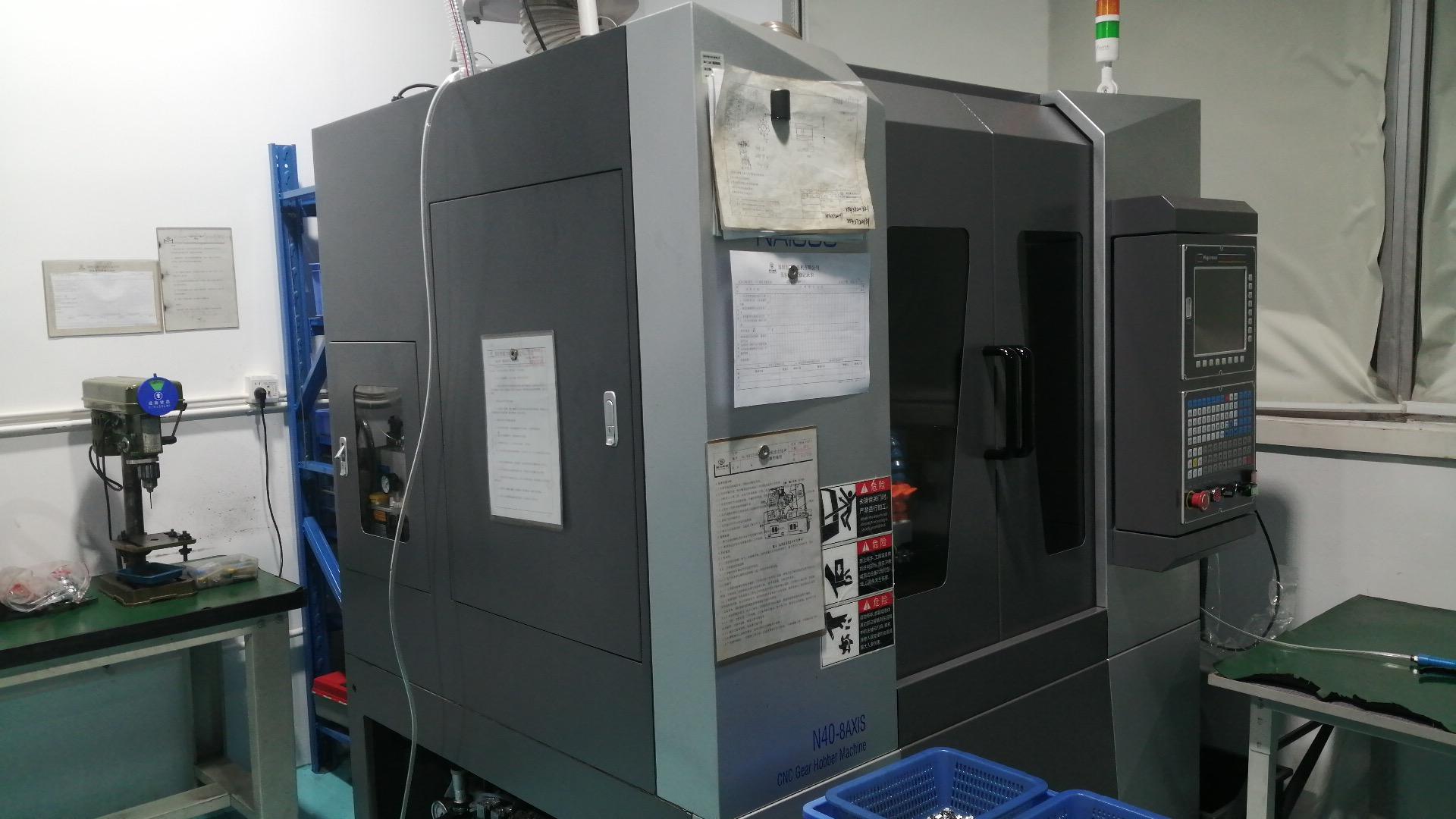
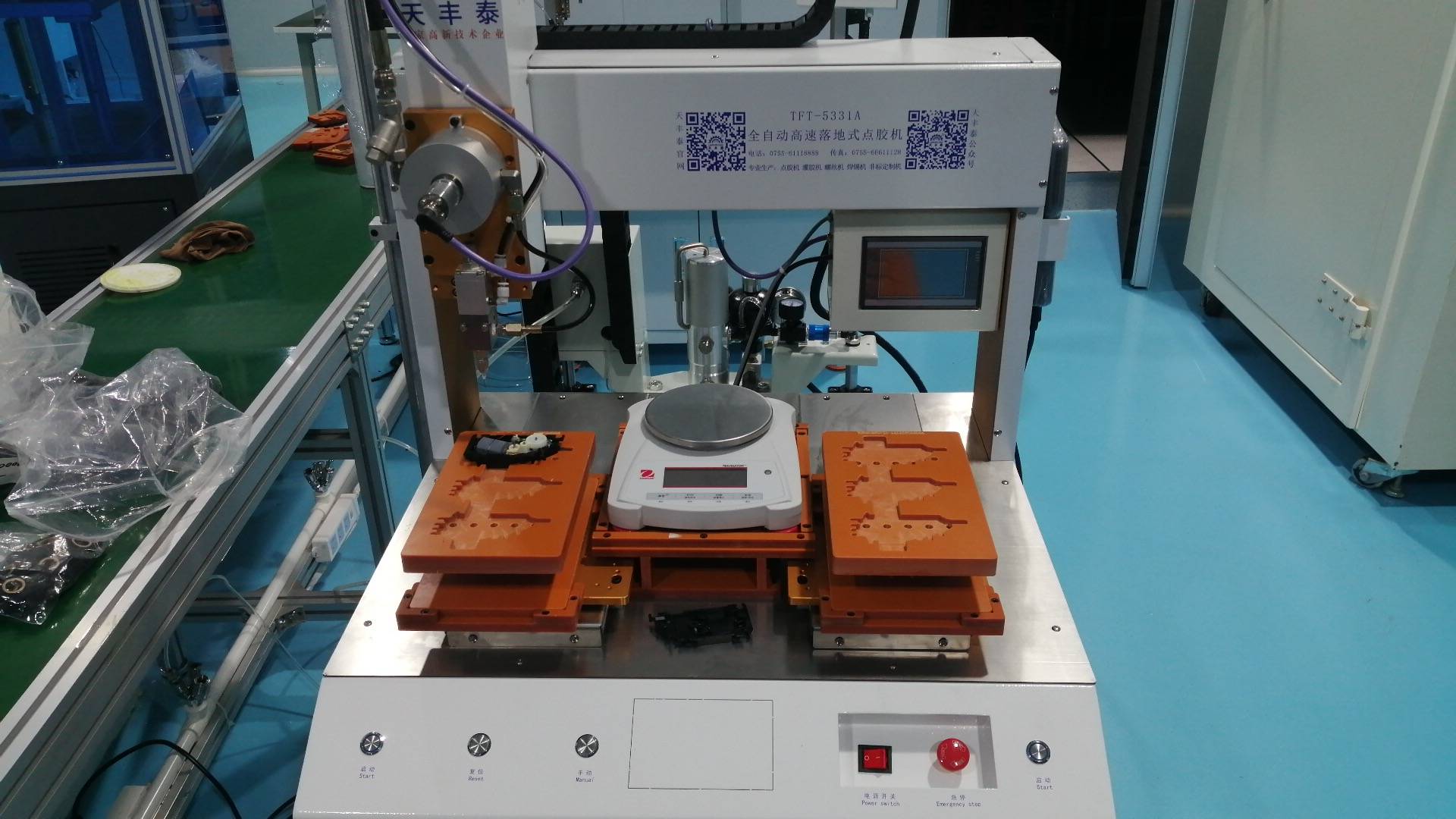
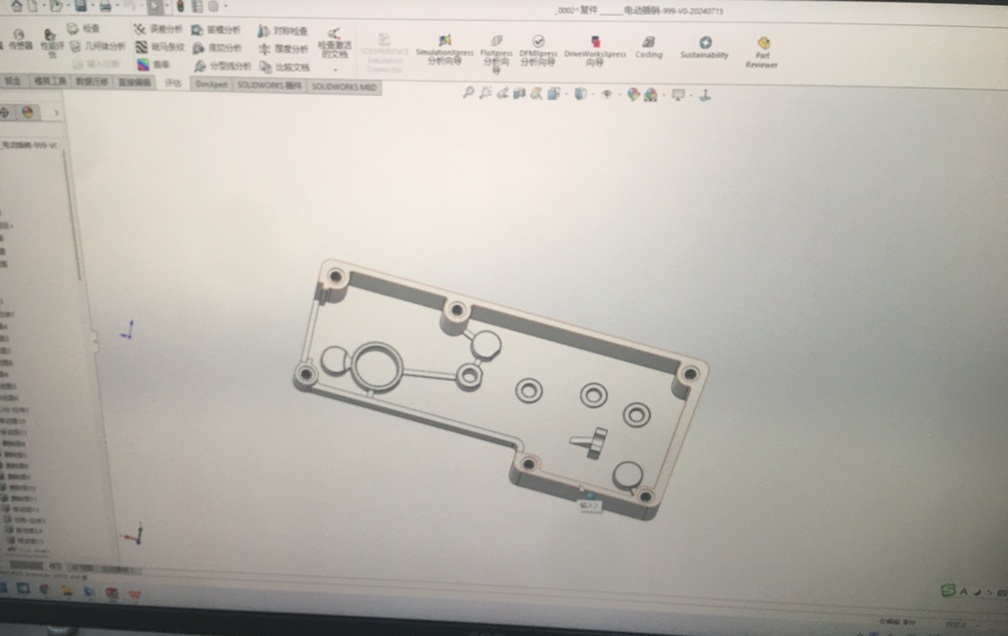
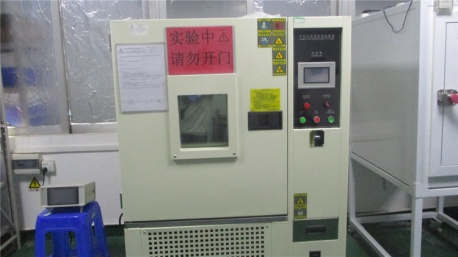
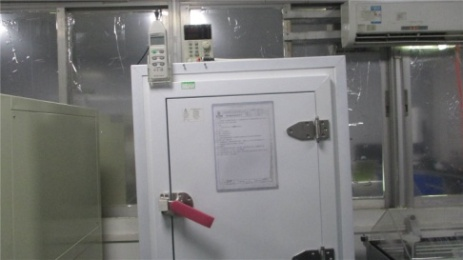
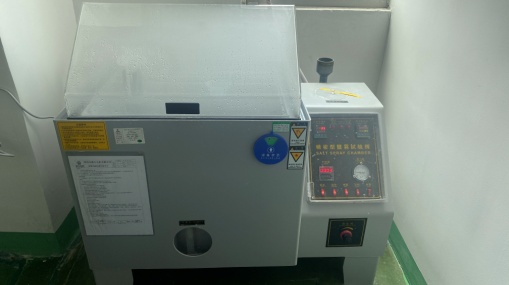
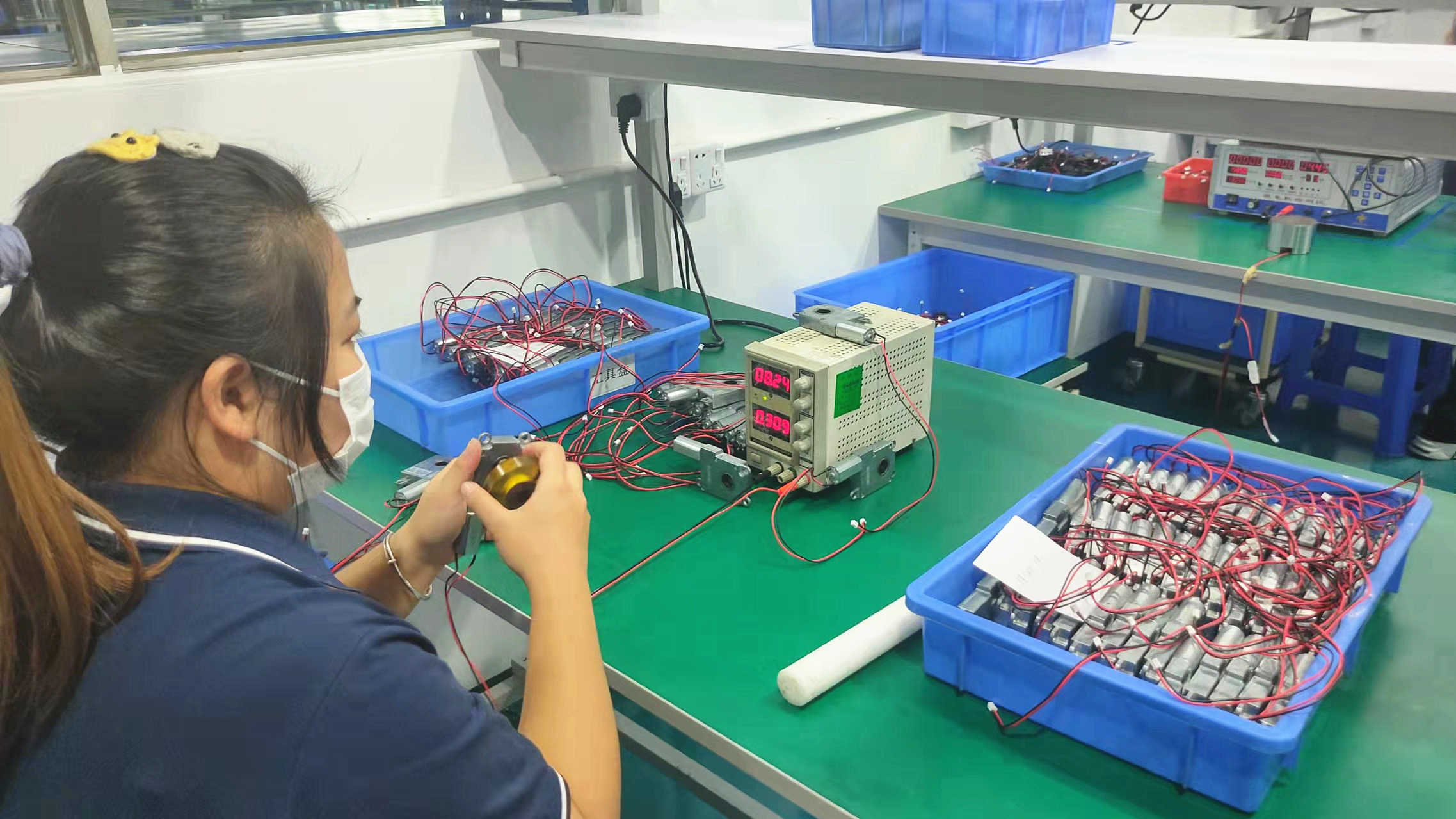
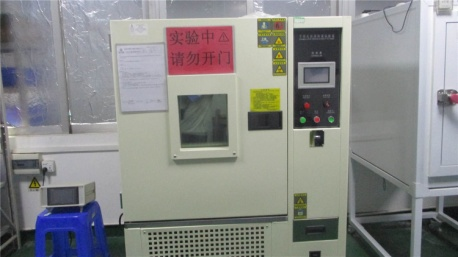
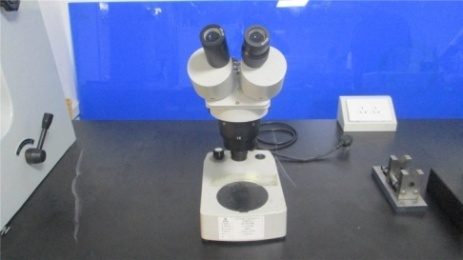
Take a look inside our ISO9001-certified factory floors. Every step—from raw materials sourcing to micro-machining and final acoustic testing—is completed under one roof.
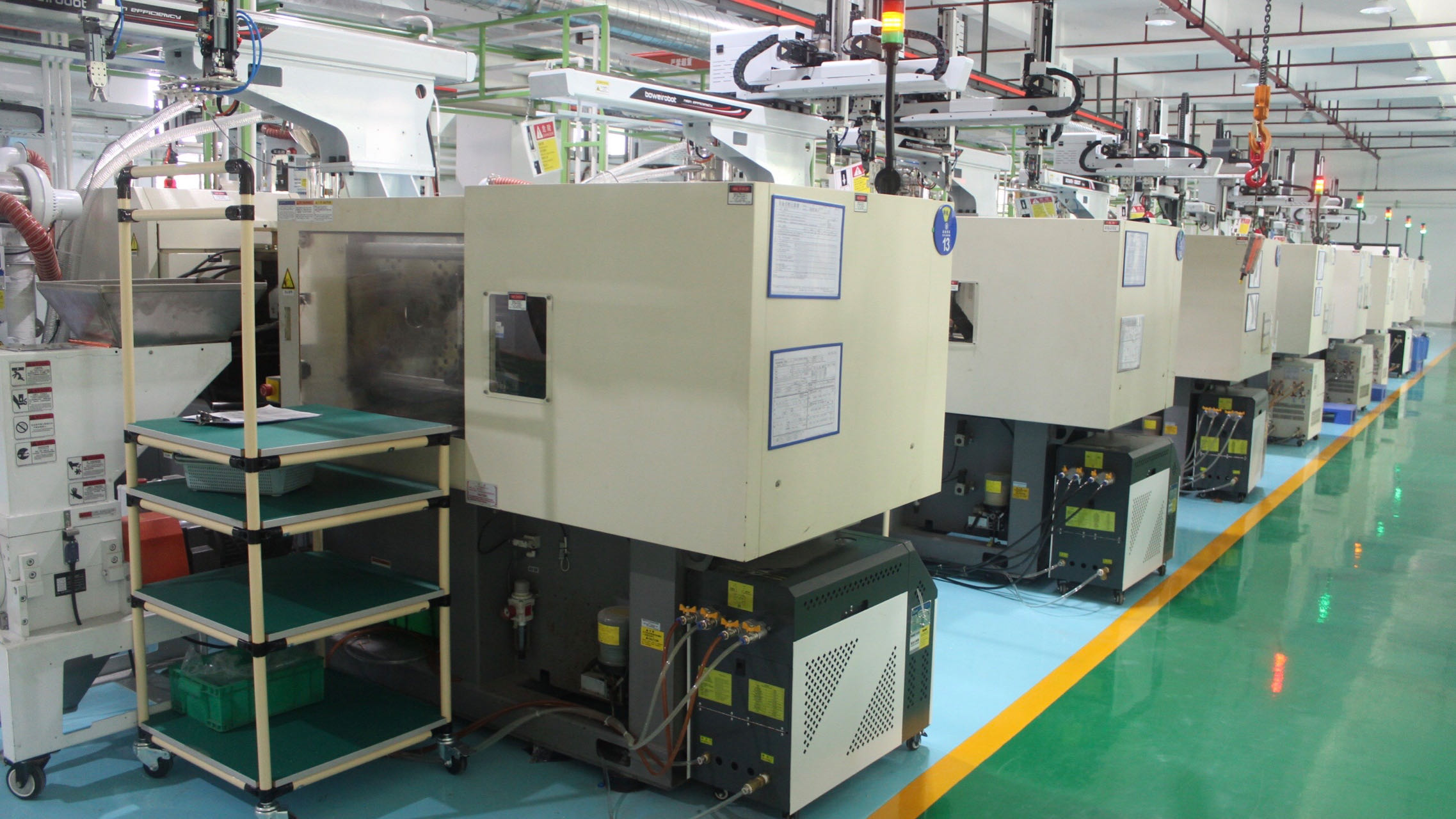
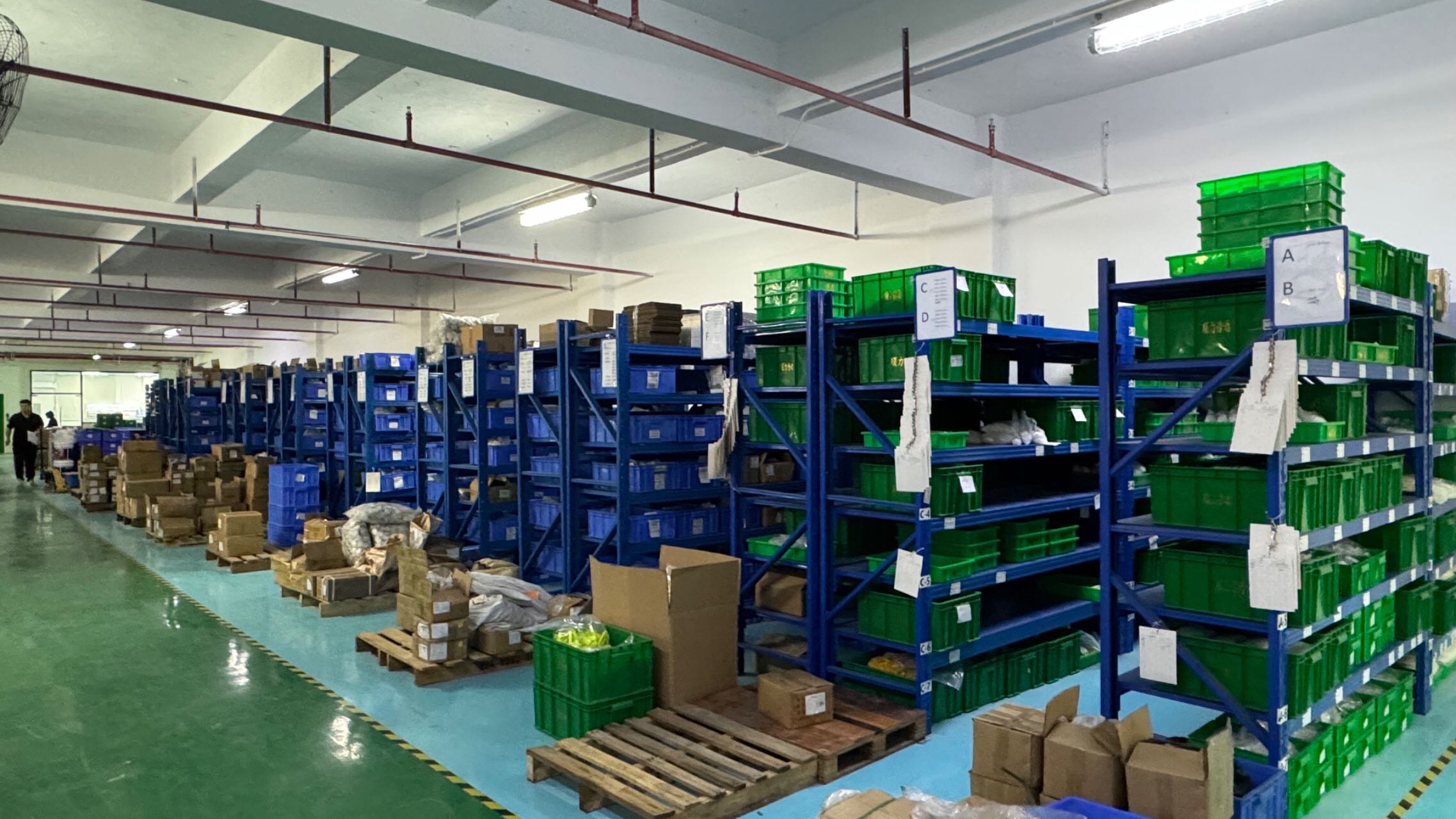

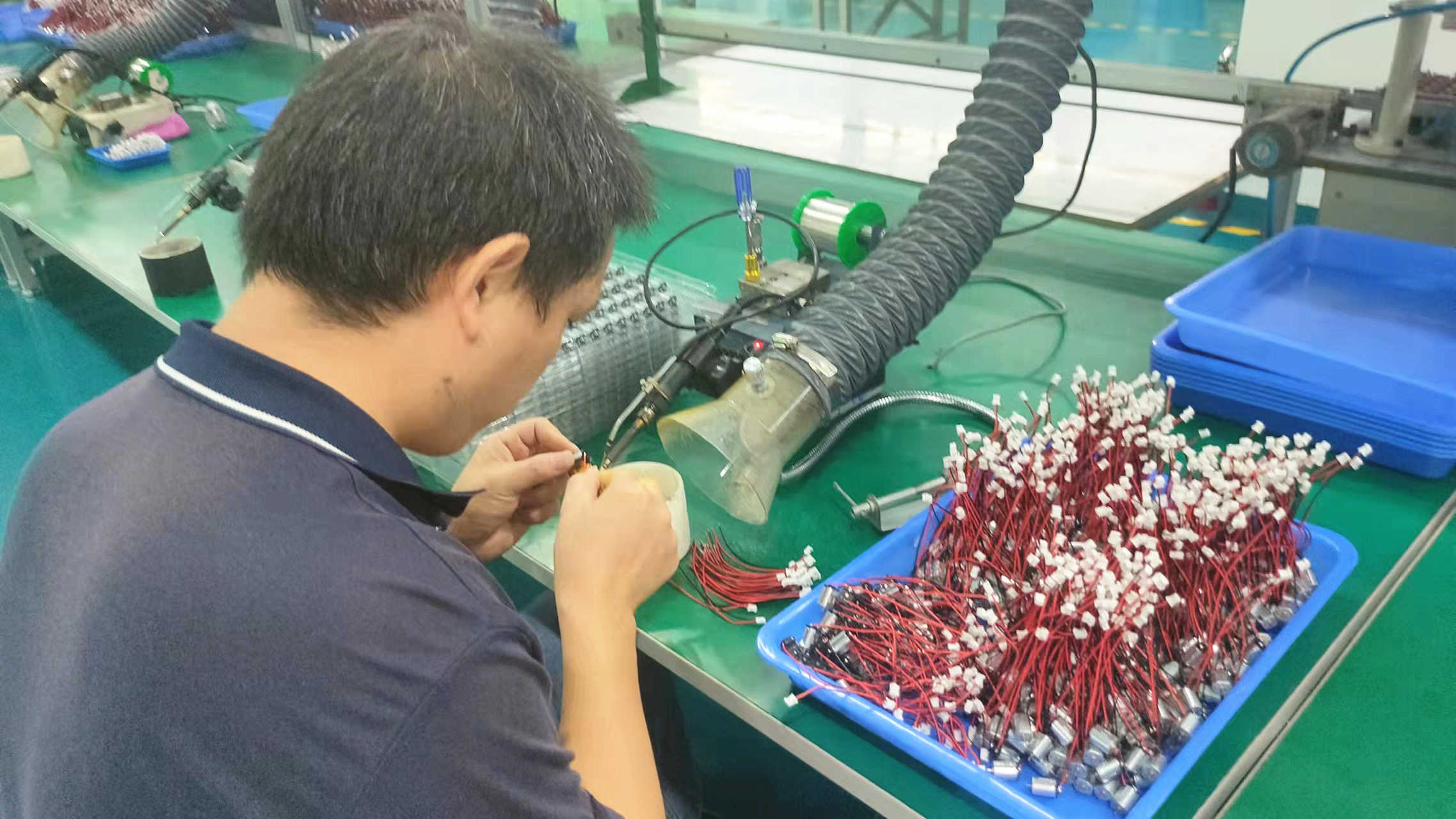
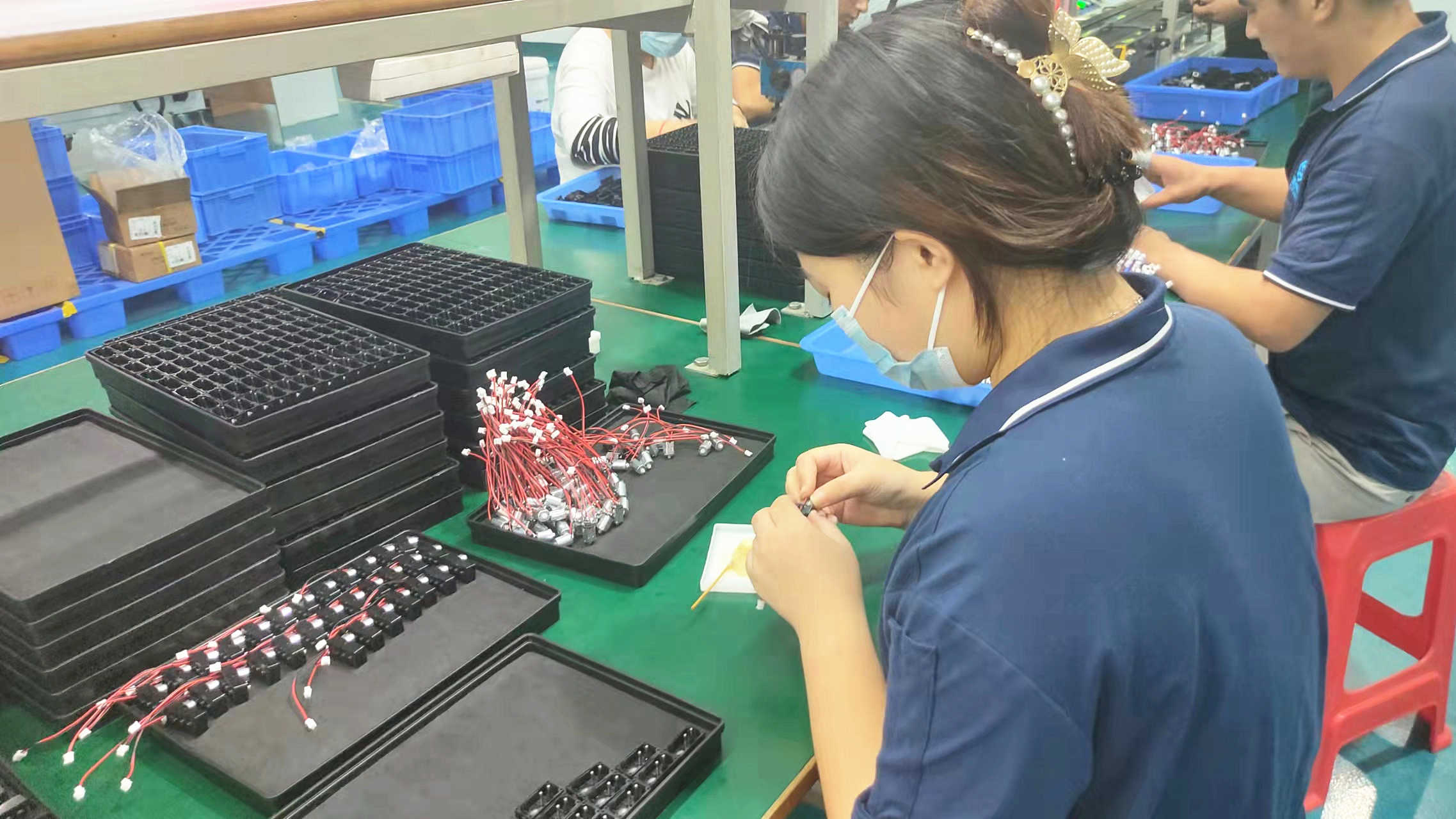
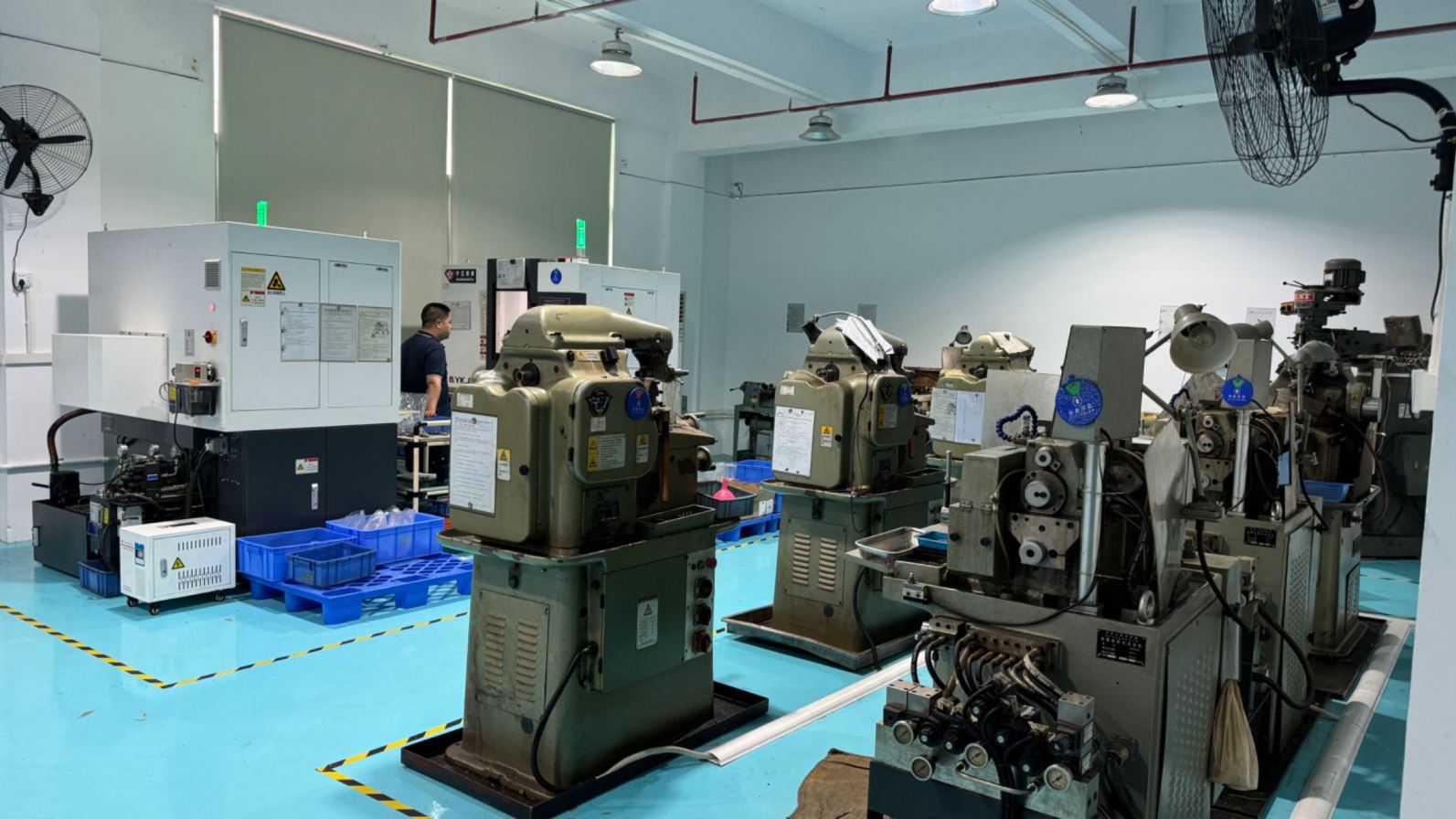
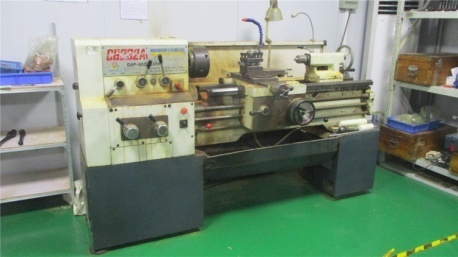
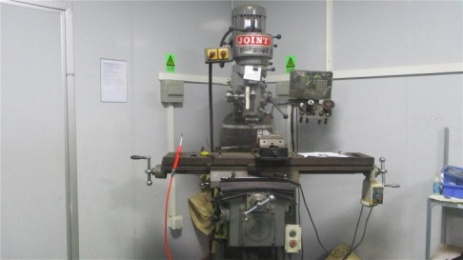
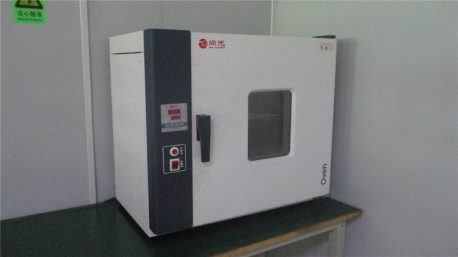
Modern micro-motion control requires ongoing updates to gear structure and electrical interfaces. At Strata Motor, our R&D roadmap focuses on three main developments:
While gear bronze remains the benchmark for high-torque applications, we are testing advanced carbon-fiber reinforced polyetheretherketone (PEEK) worm wheels for light-duty operations. This reduces overall weight and eliminates the need for external grease, preventing contamination risks in medical devices and food processing gear.
To support high-reliability applications, we offer brushless motors integrated with worm gearboxes. By removing carbon brushes, we extend operating lifetimes to over 20,000 hours, virtually eliminating maintenance needs.
We are expanding options for built-in controller drivers, supporting direct communication via CANopen, Modbus, and EtherCAT protocol suites. This lets Seattle engineers integrate motor monitoring directly into main system loops.
Essential engineering answers for integrating DC worm gear motors in industrial and commercial designs.
Our complete line of DC worm gear motors. Select a model to view detailed technical specifications, datasheets, and 3D step CAD files.
Whether you need a custom shaft design, special gear ratio parameters, or standard configurations for your assembly line in Seattle, our engineers are here to assist you.
Send Inquiry Now